Why photograph with us
Groups of 1 to 4. Most bird tours run at ten to twelve people. In a hide, that means waiting your turn. With us, everyone has a window, everyone shoots the same bird at the same time, and the guide can actually help you.
We know the birds. Nick has photographed 2,500 species across Asia and Oceania, more than 1,200 of them in China alone, working in every province. When we say a species is likely at a site in a given week, it is because we have shot it there.
Hides, feeding stations and local partners. Across Asia we work with the people who run the best hides, and where none exist we build our own. A large part of what you will photograph is done from a blind, at eye level, with the background already chosen.
Golden-hour scheduling. We are in position before first light and again for the last hour. The middle of the day is for travel, rest and editing, not for standing in flat light.
Logistics handled. Permits, internal flights, drivers, park fees, local guides: all arranged. You bring your camera and your boots.
Custom trips at group prices. If our dates do not fit, we build a private itinerary for you or your group, usually for the same price per person as a scheduled departure.
Destinations by region
South Asia & Himalaya
India · Nepal · Bhutan · Sri Lanka · Bangladesh
From Ladakh and Kashmir to the Andaman Islands, with Bhutan's spring forests and Sri Lanka's 34 endemics in between.
Scheduled tour or custom itinerary?
Our scheduled departures are small-group trips with fixed dates, chosen for the best season at each site. They suit photographers who want the planning done and the company of two or three like-minded people.
A custom tour is built around you: your dates, your target species, your pace. Couples, photo clubs and single travellers all book them. Because we already run the logistics in every country we cover, a private trip usually costs about the same per person as a scheduled one. Tell us what you want to photograph and we will send a draft itinerary.
Frequently asked questions
What is a bird photography tour, and how is it different from a birdwatching tour?
A birdwatching tour is built to see as many species as possible; a bird photography tour is built to photograph a smaller number of them well. That changes everything: fewer sites, more time at each, hides instead of trails, and a schedule fixed to the light.
How big are the groups?
One to four photographers, never more. Private departures for one or two people are common.
Can you build a trip on my dates?
Yes. Send us your dates and target species; we handle the rest.
Which countries do you cover?
Every country listed above, and we have run private trips well beyond them. If a destination is not on the list, ask.
What gear should I bring?
A body you know well and a lens in the 400-600 mm range covers most hides; a shorter zoom is useful for birds-of-paradise and forest work. We publish a full gear list for each region.

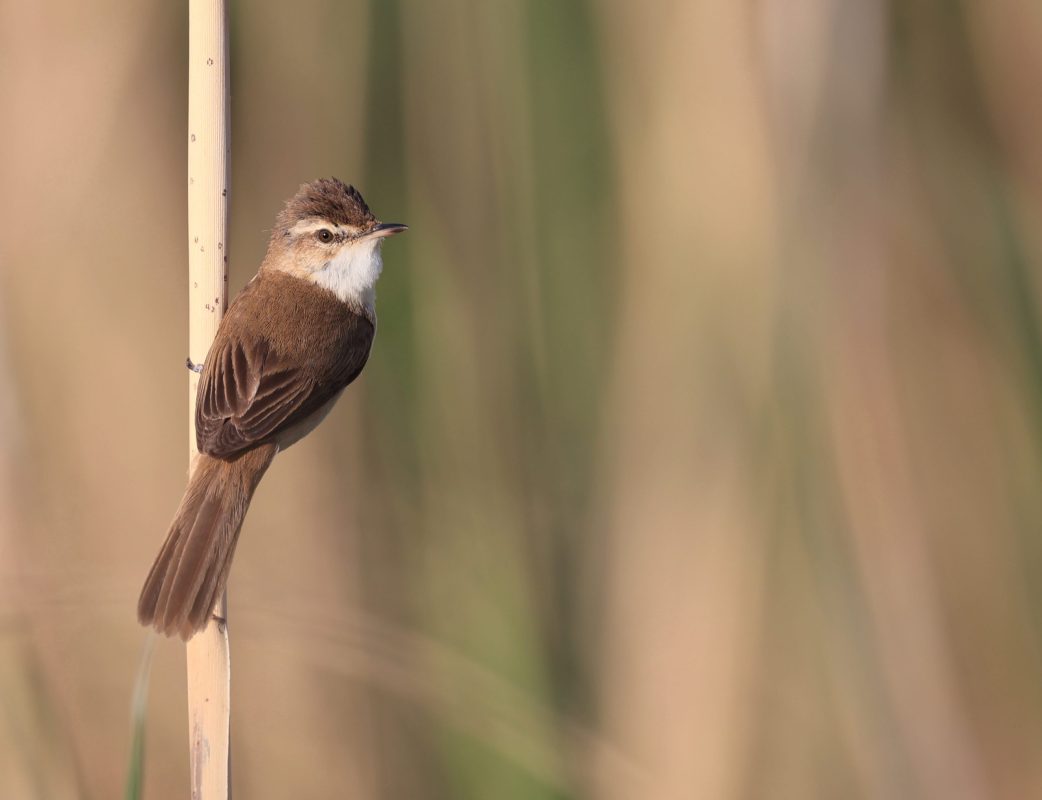 Paddyfield Warbler, 稻田苇莺, Acrocephalus agricola
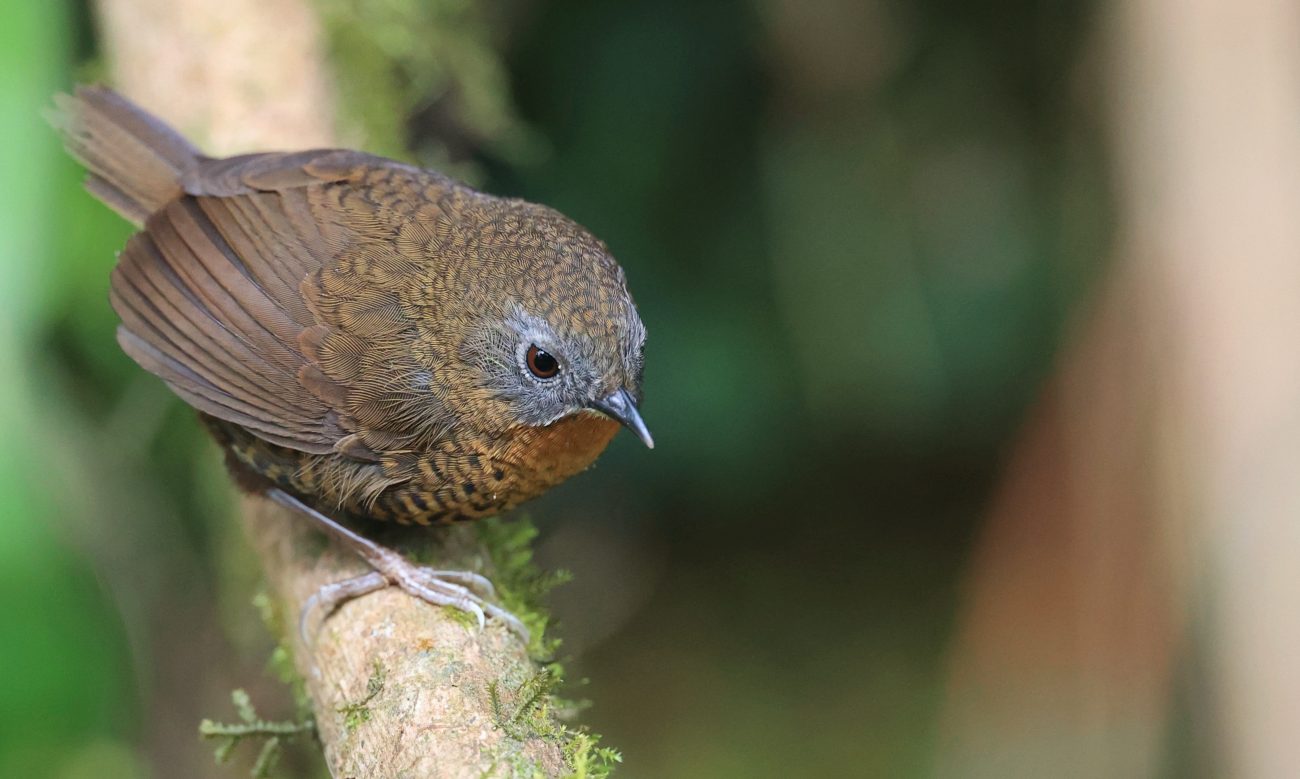 Rufous-throated Wren-Babbler, 短尾鹩鹛, Spelaeornis caudatus
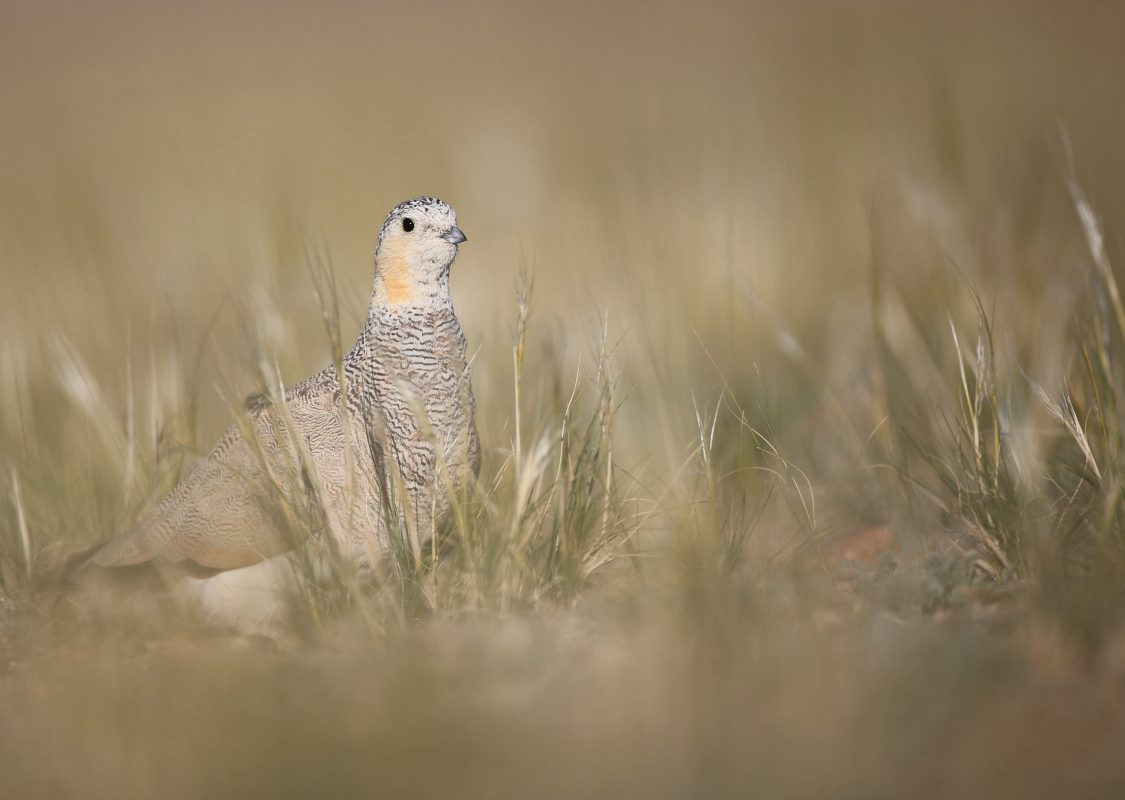 Tibetan Sandgrouse, 西藏毛腿沙鸡, Syrrhaptes tibetanus
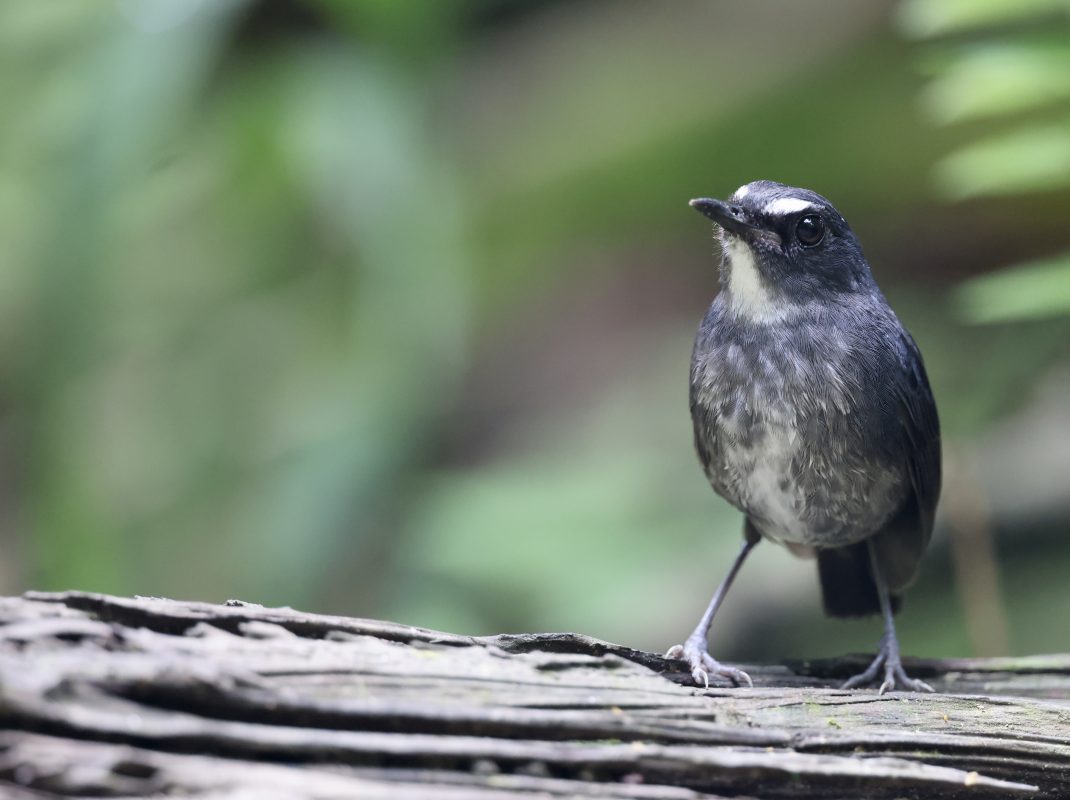 Lesser Shortwing, 白喉短翅鸫, Brachypteryx leucophris
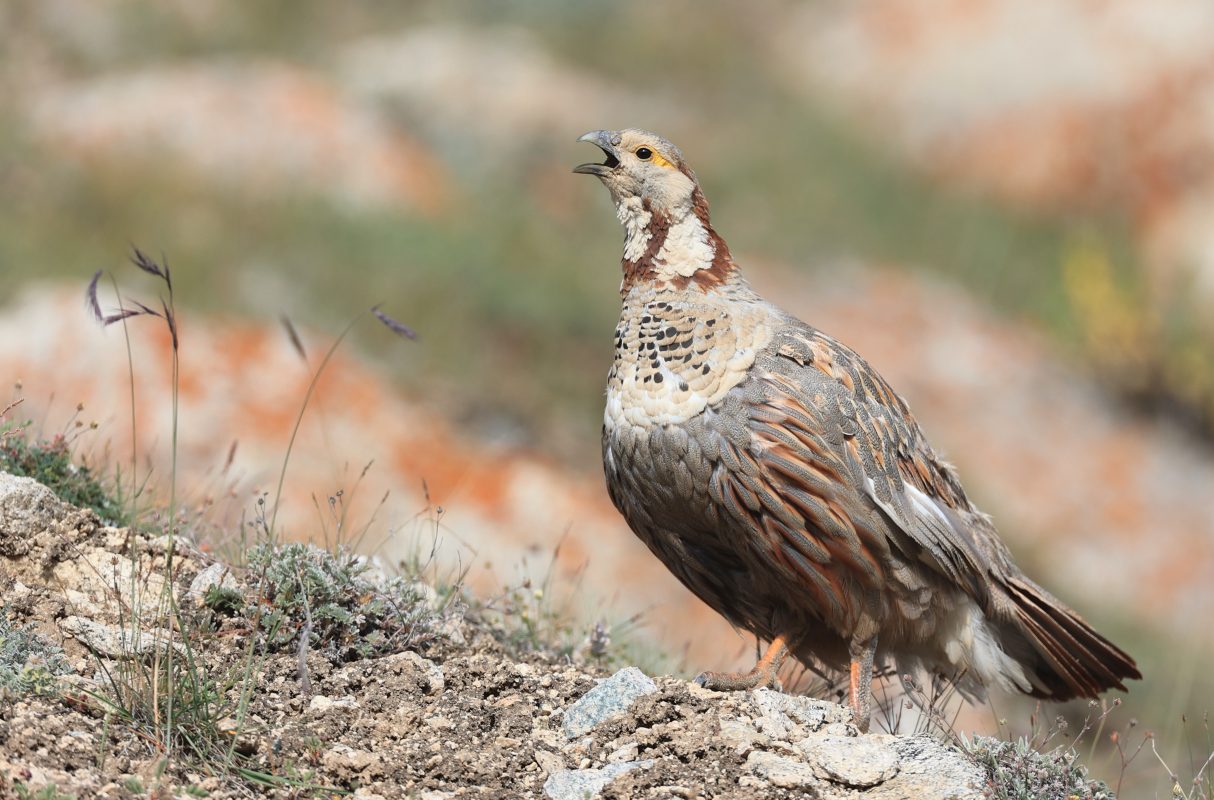 Himalayan Snowcock, 暗腹雪鸡, Tetraogallus himalayensis
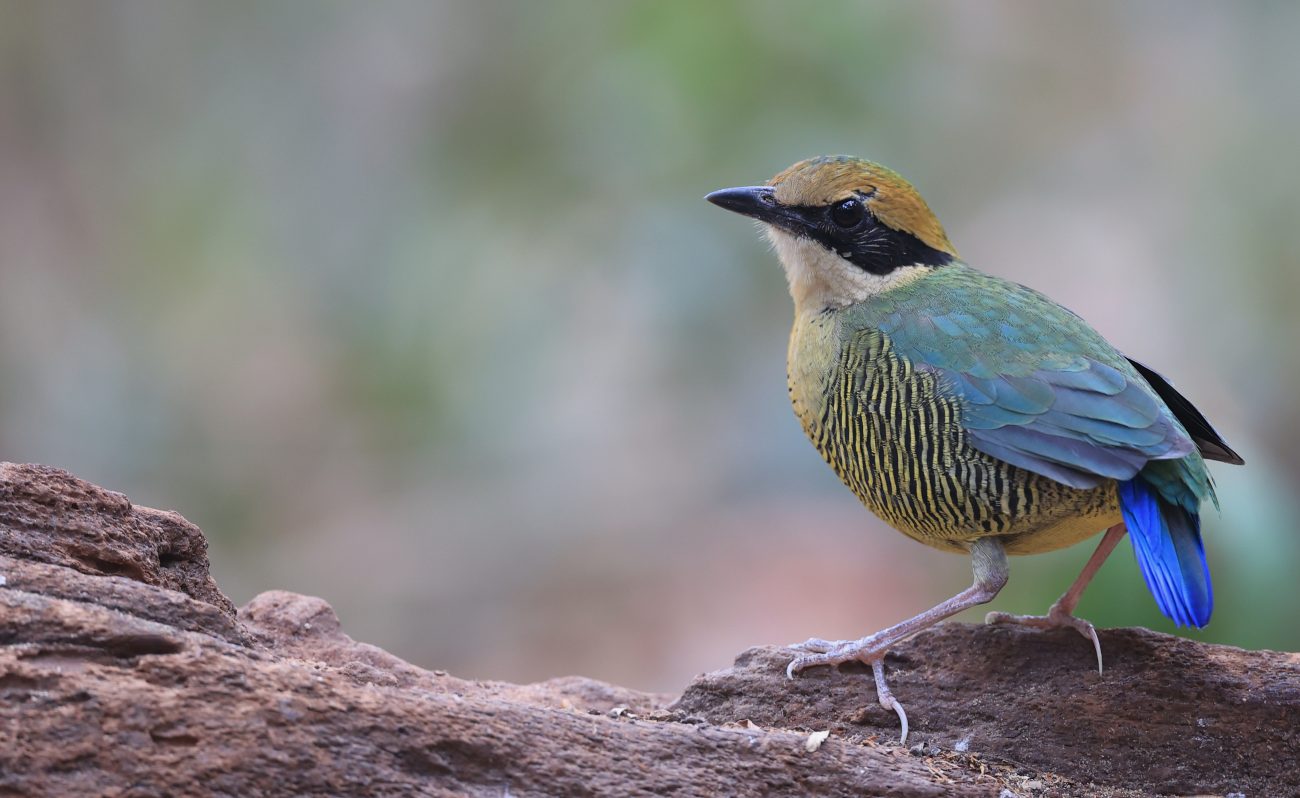 Bar-bellied Pitta, 斑腹八色鸫, Hydrornis elliotii
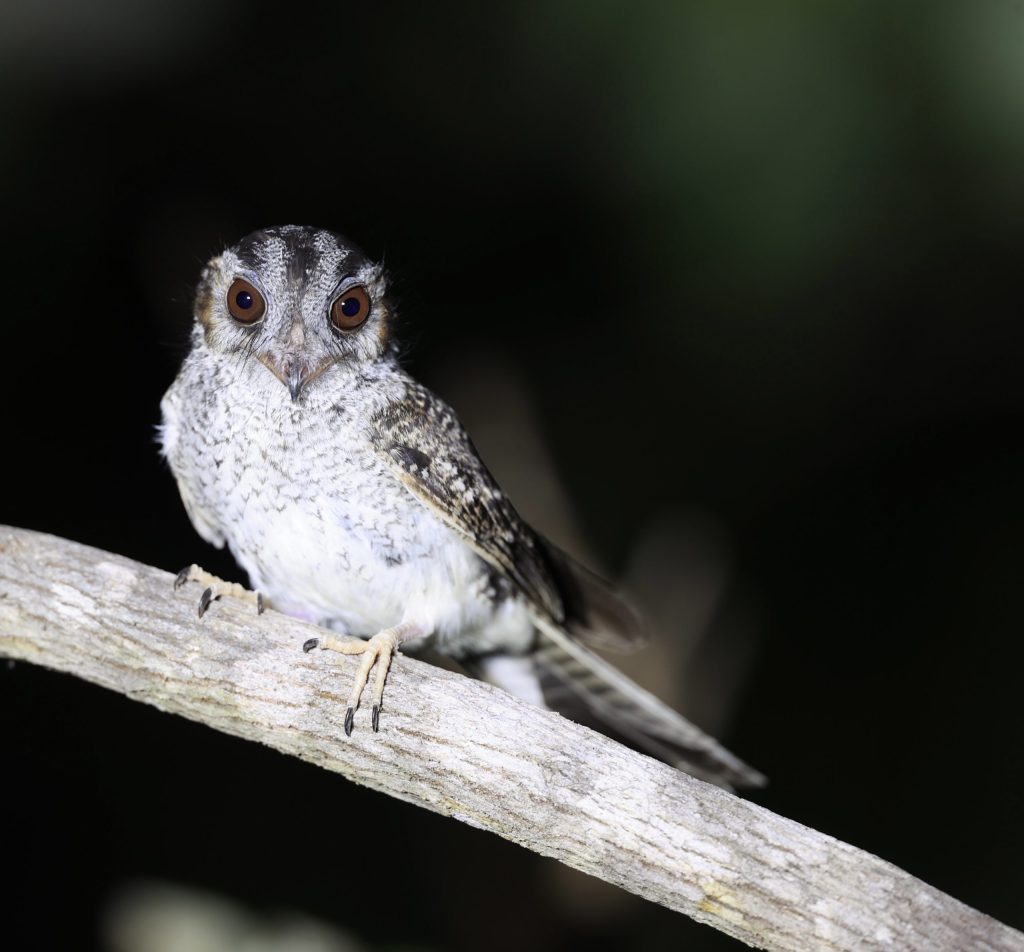 Australian Owlet-Nightjar, 澳洲裸鼻鸱, Aegotheles cristatus
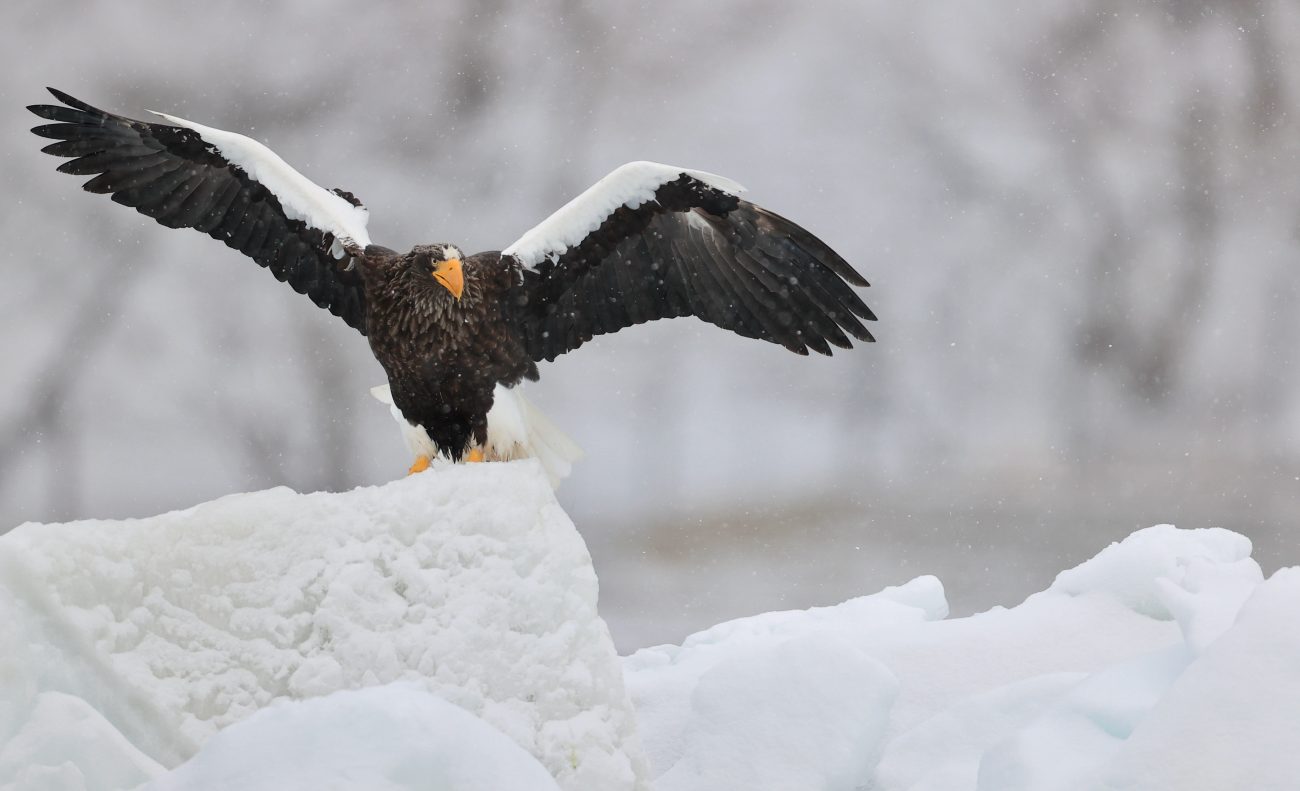 Steller's Sea Eagle, 虎头海雕, Haliaeetus pelagicus
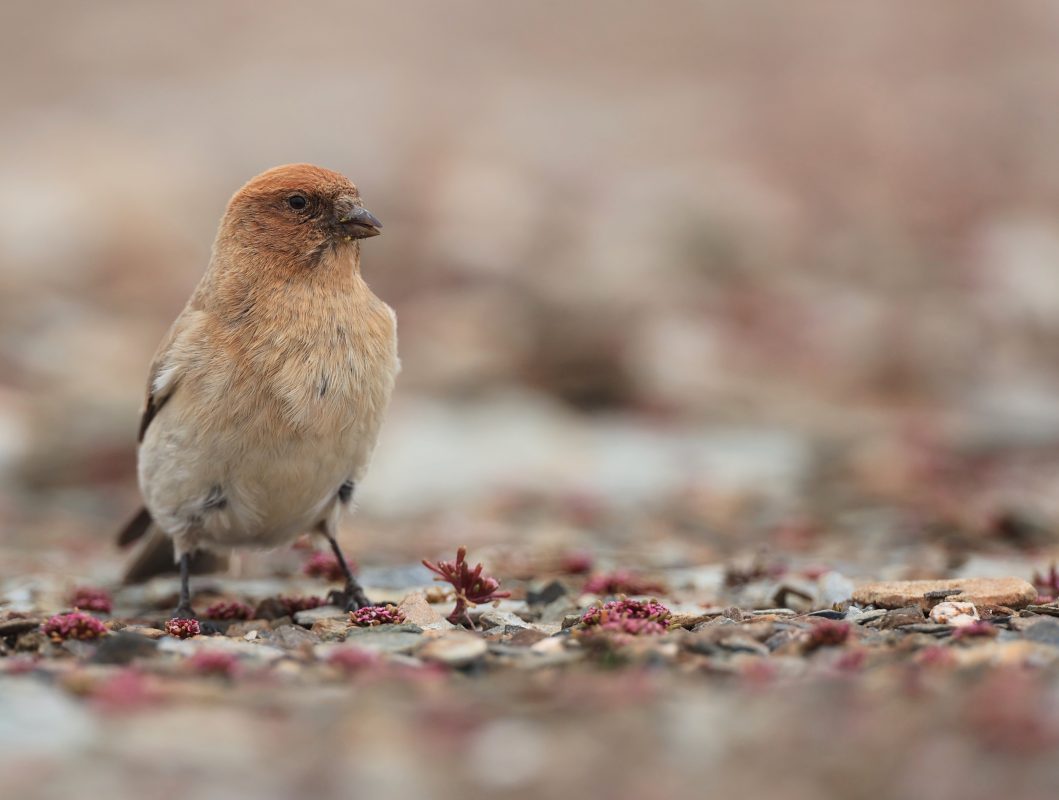 Sillem's Rosefinch, 褐头岭雀, Carpodacus sillemi
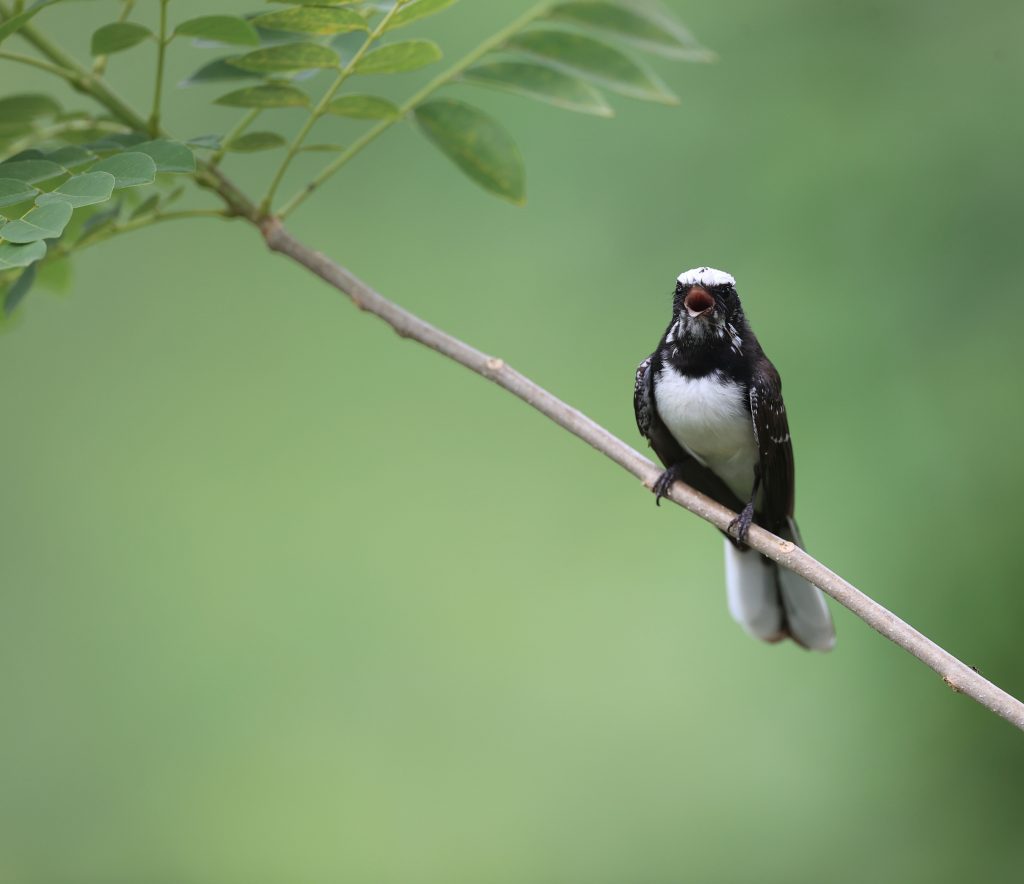 White-browed Fantail, 白眉扇尾鹟, Rhipidura aureola
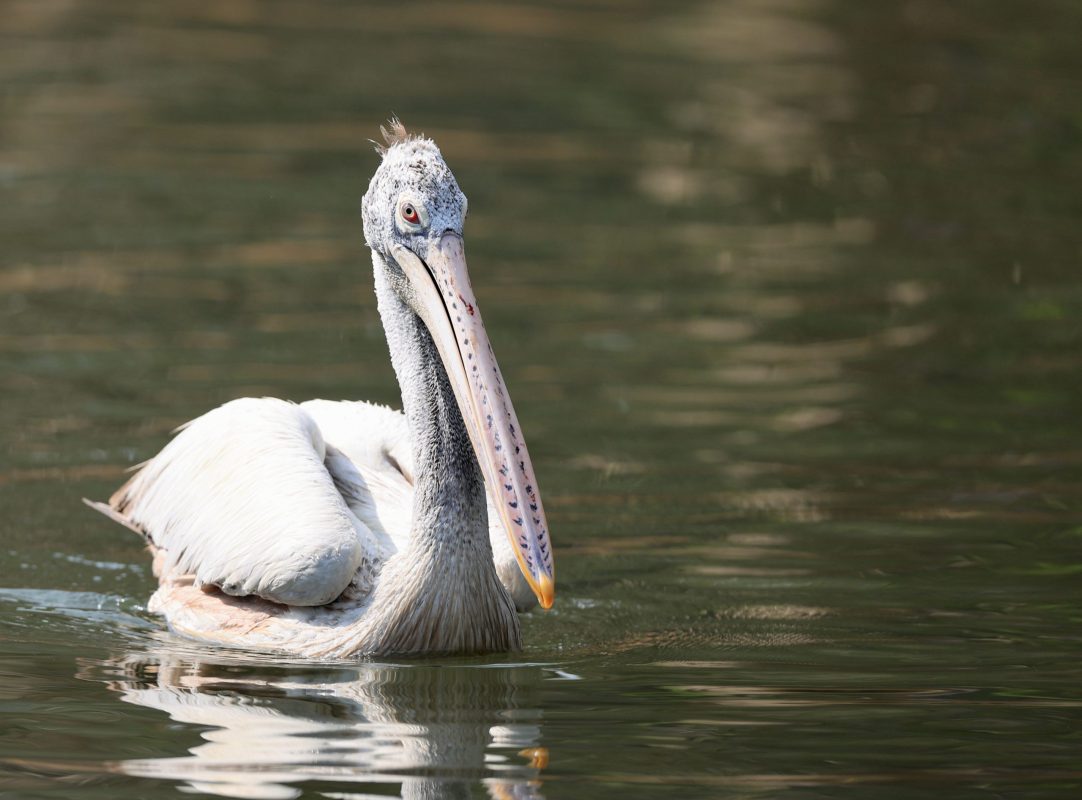 Spot-billed Pelican, 斑嘴鹈鹕, Pelecanus philippensis
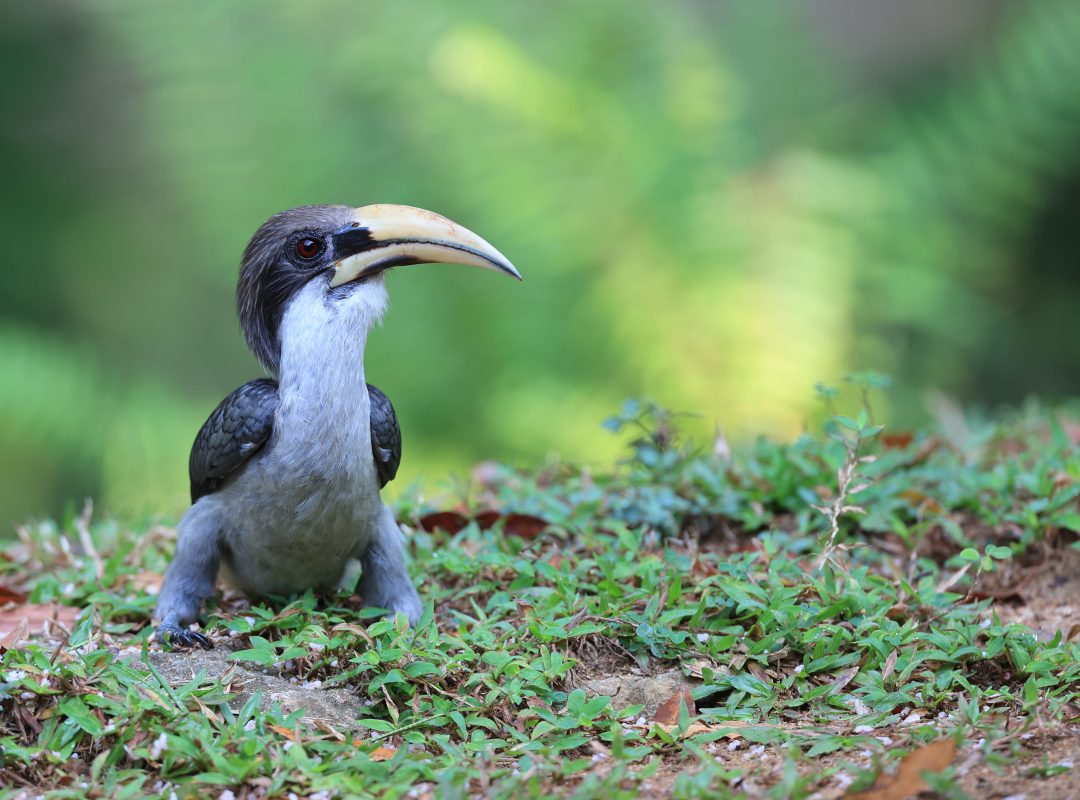 Sri Lanka Grey Hornbill, 斯里兰卡灰犀鸟, Ocyceros gingalensis
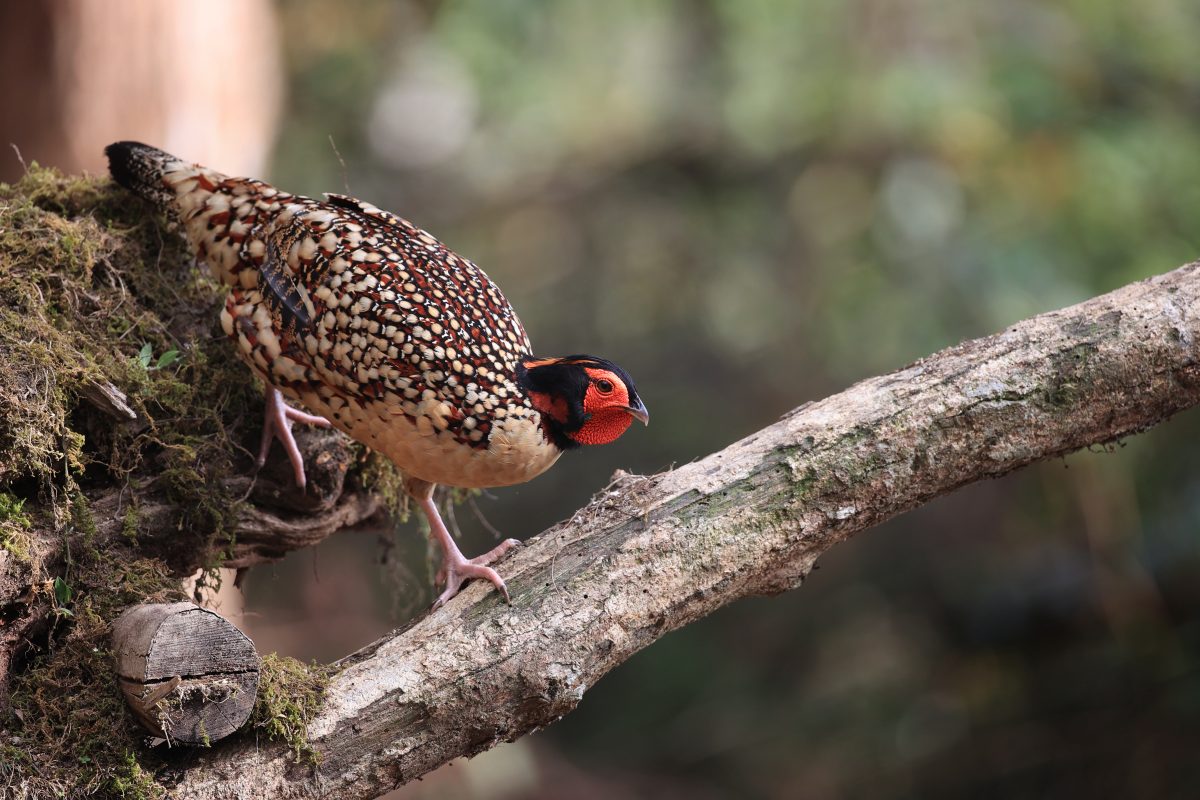 Cabot's Tragopan, 黄腹角雉, Tragopan caboti
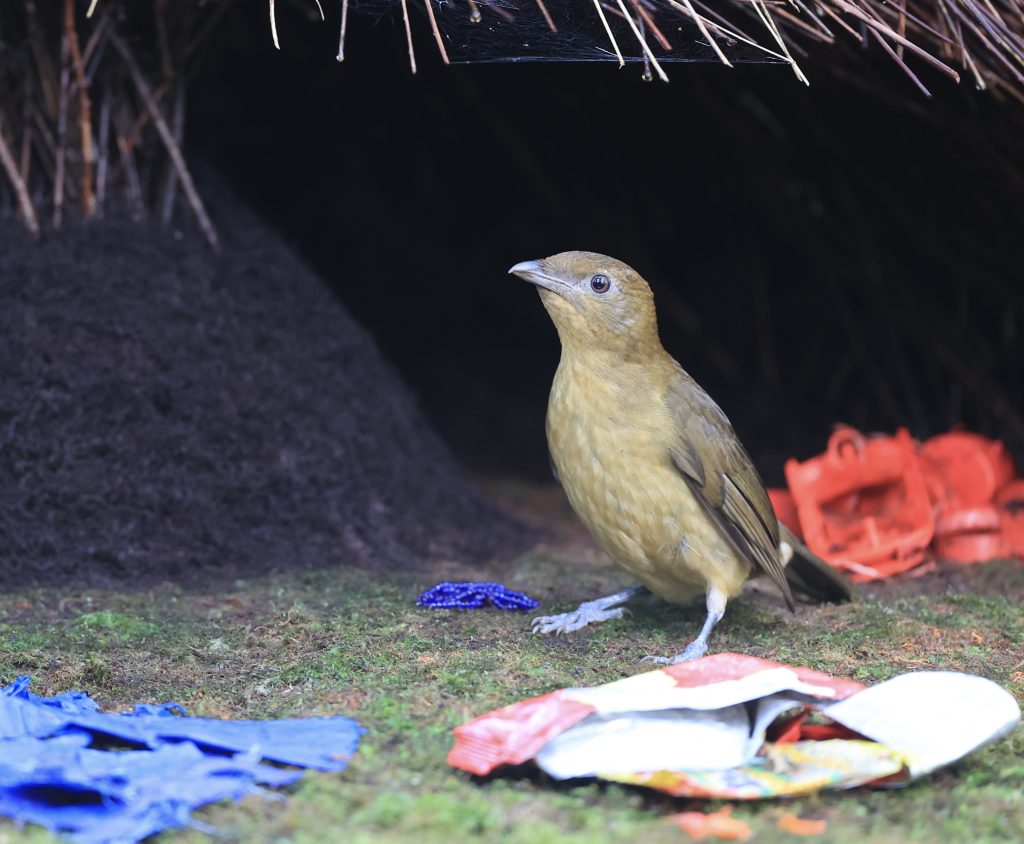 Vogelkop Bowerbird, 褐色园丁鸟, Amblyornis inornata
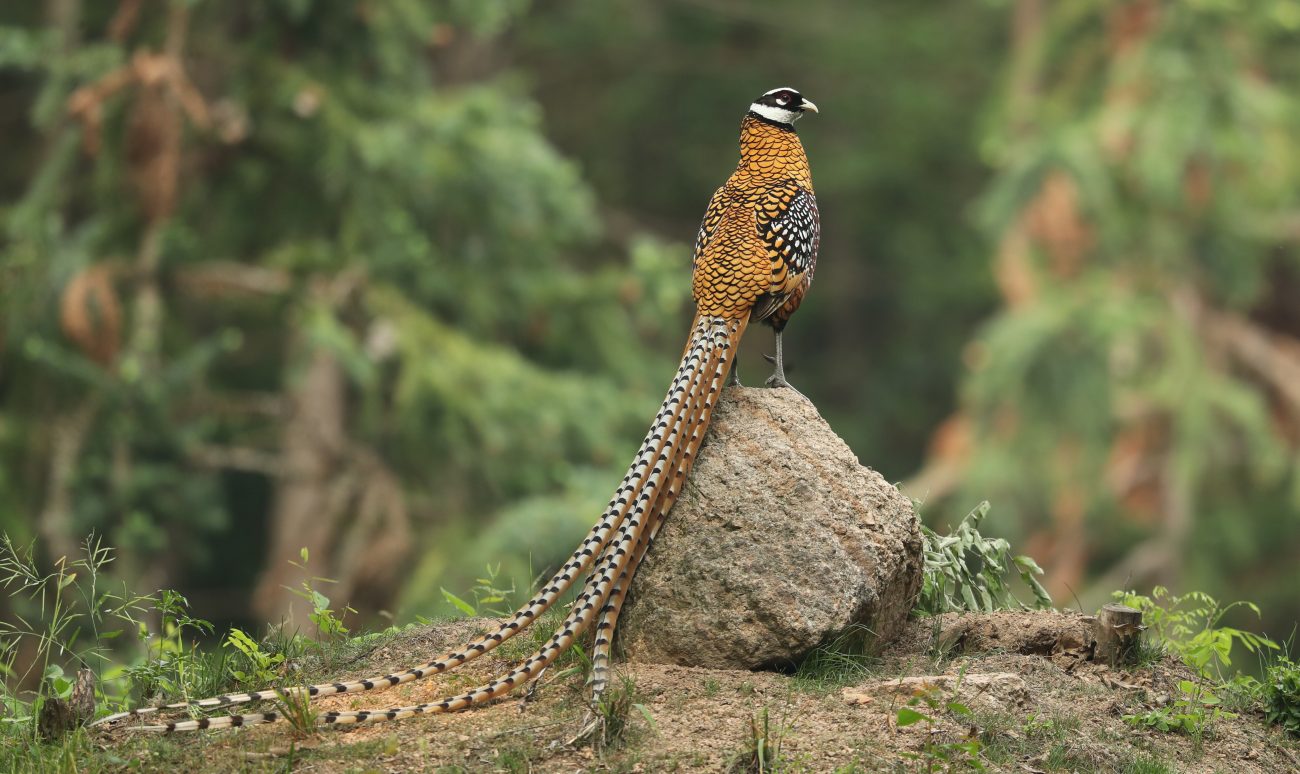 Reeves' Pheasant, 白冠长尾雉, Syrmaticus reevesii
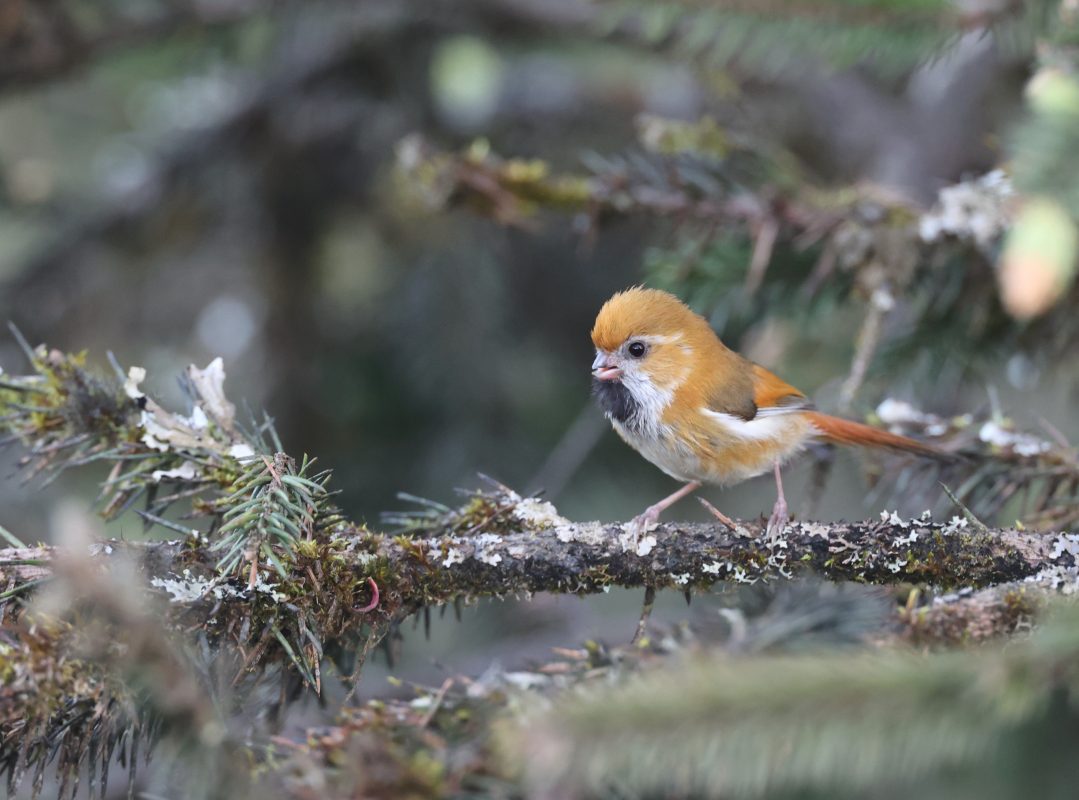 Golden Parrotbill, 金色鸦雀, Suthora verreauxi
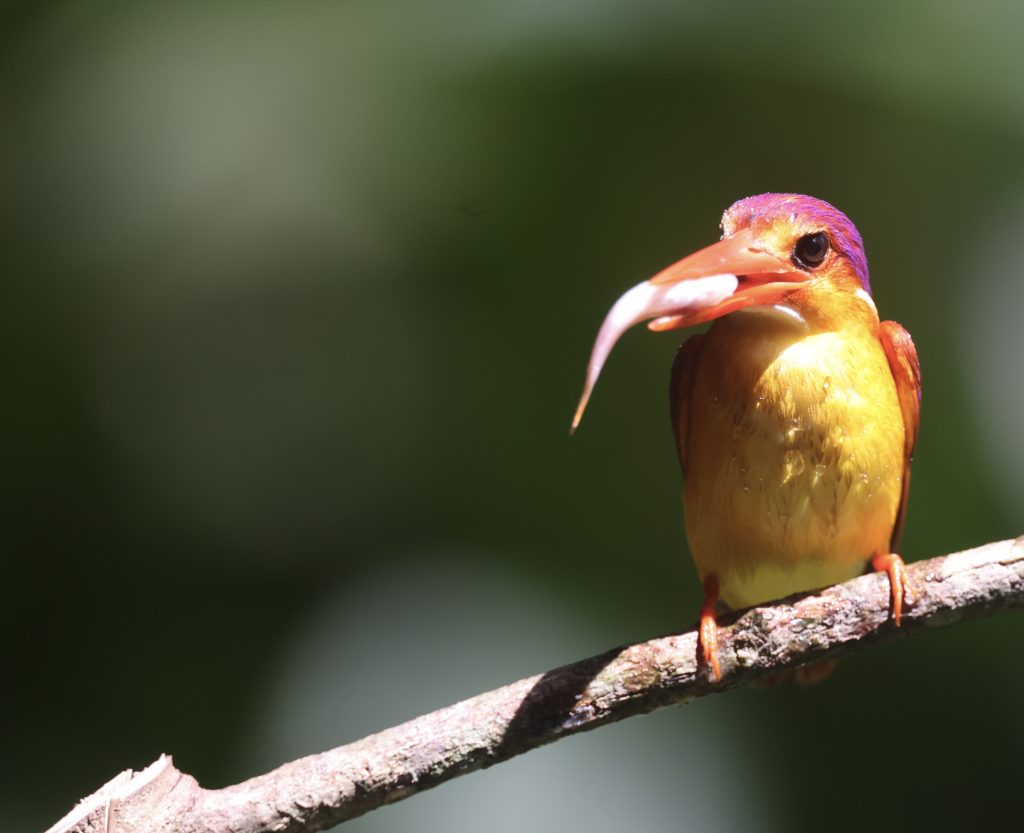 Rufous-backed Kingfisher, 三趾翠鸟, Ceyx erithaca
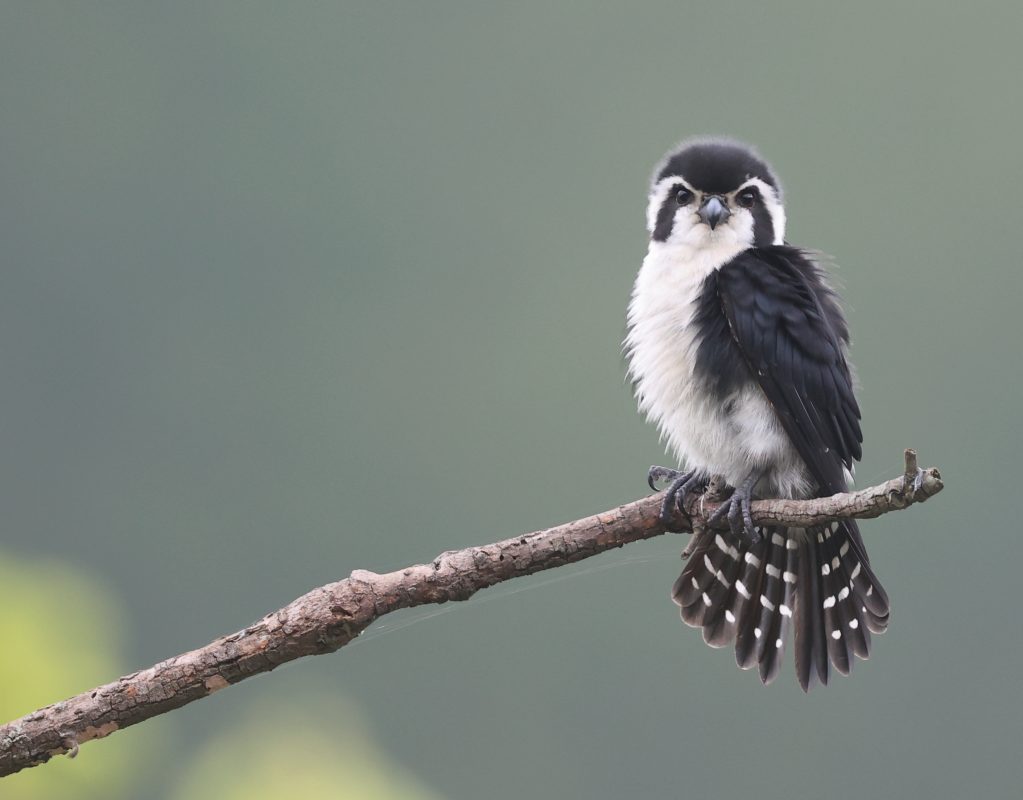 Pied Falconet, 白腿小隼, Microhierax melanoleucos
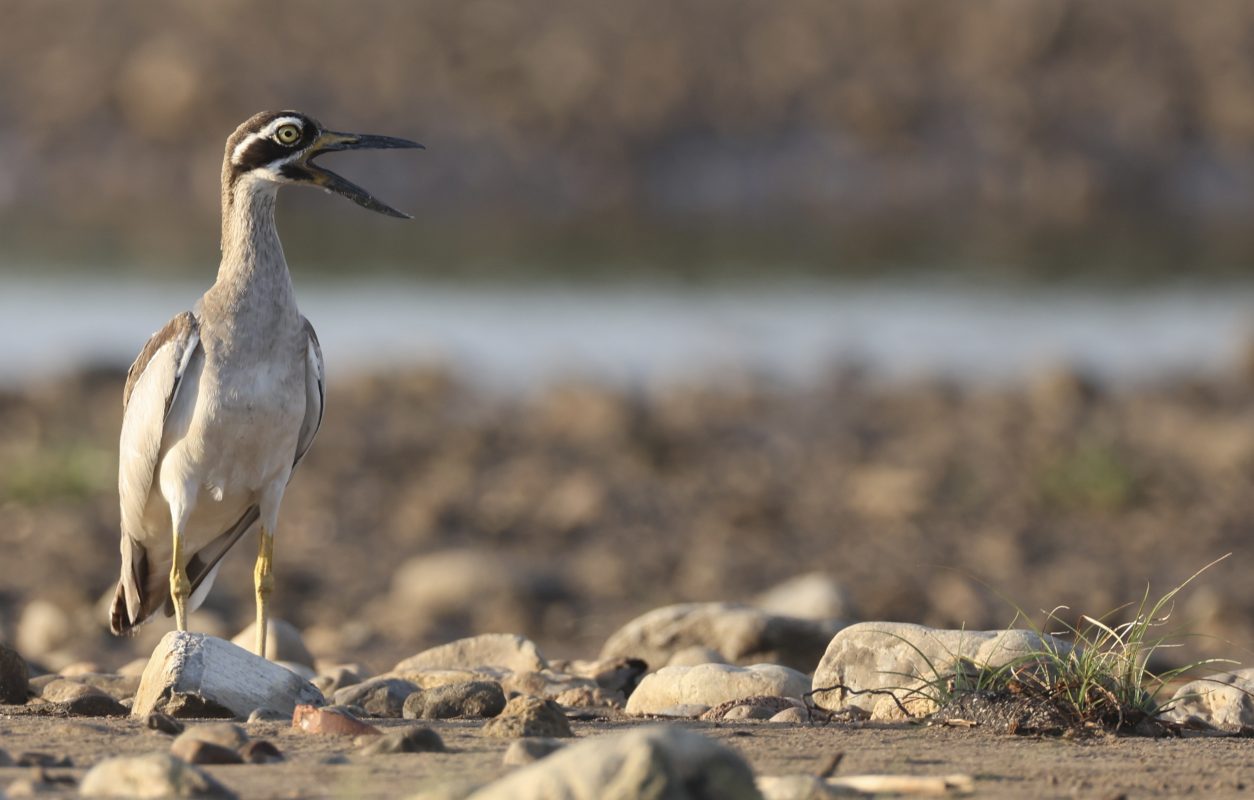 Beach Stone Curlew, 石鸻, Esacus magnirostris
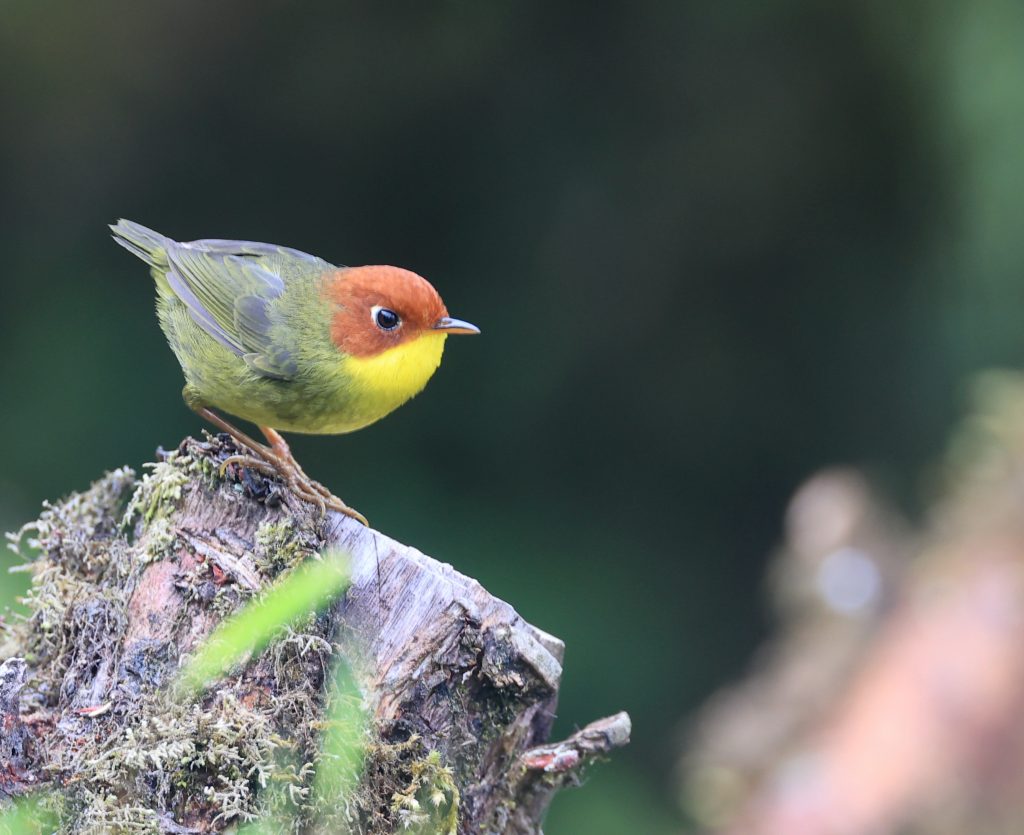 Chestnut-headed Tesia, 栗头地莺, Cettia castaneocoronata
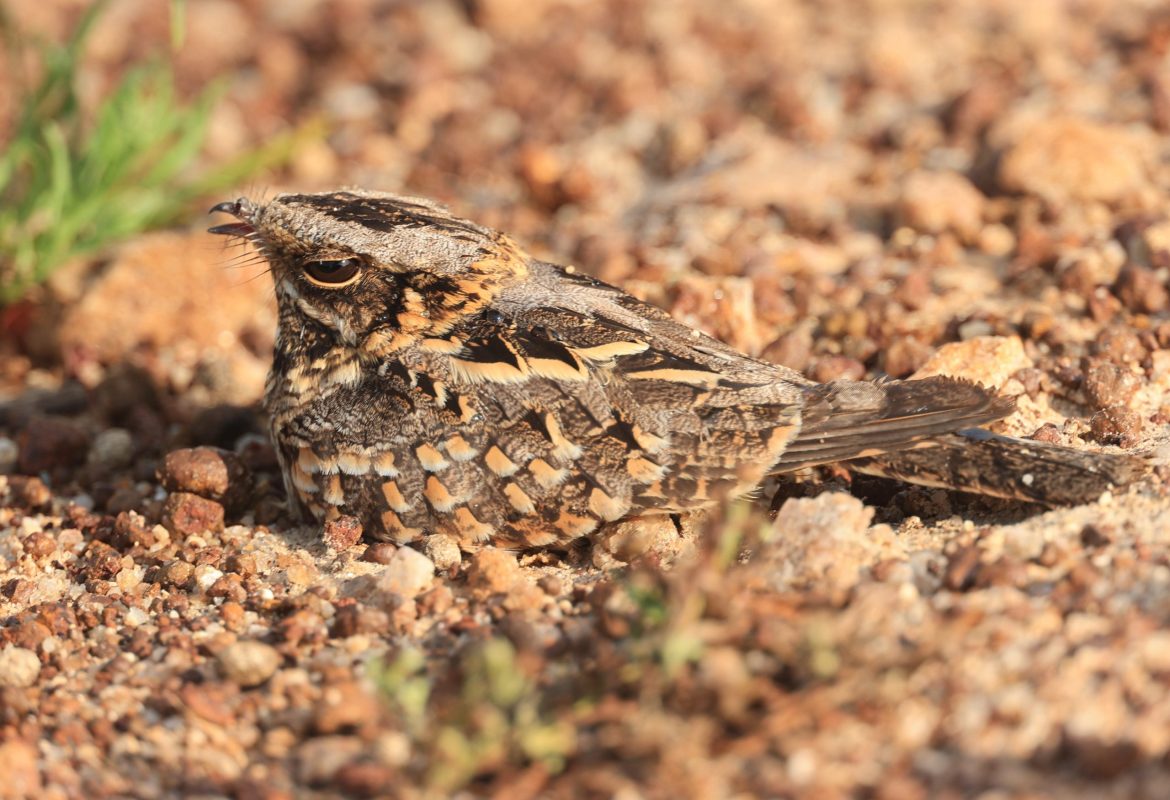 Indian Nightjar, 印度夜鹰, Caprimulgus asiaticus
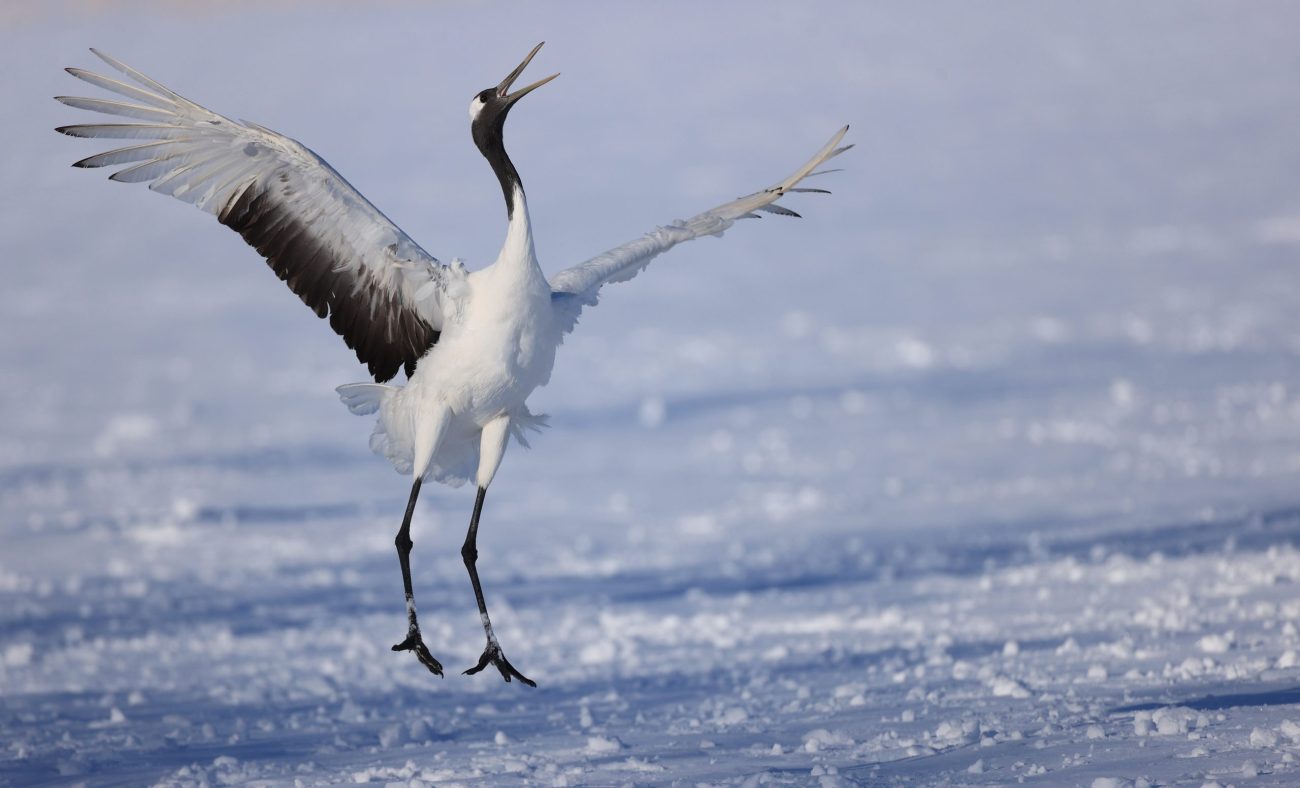 Red-crowned Crane, 丹顶鹤, Grus japonensis
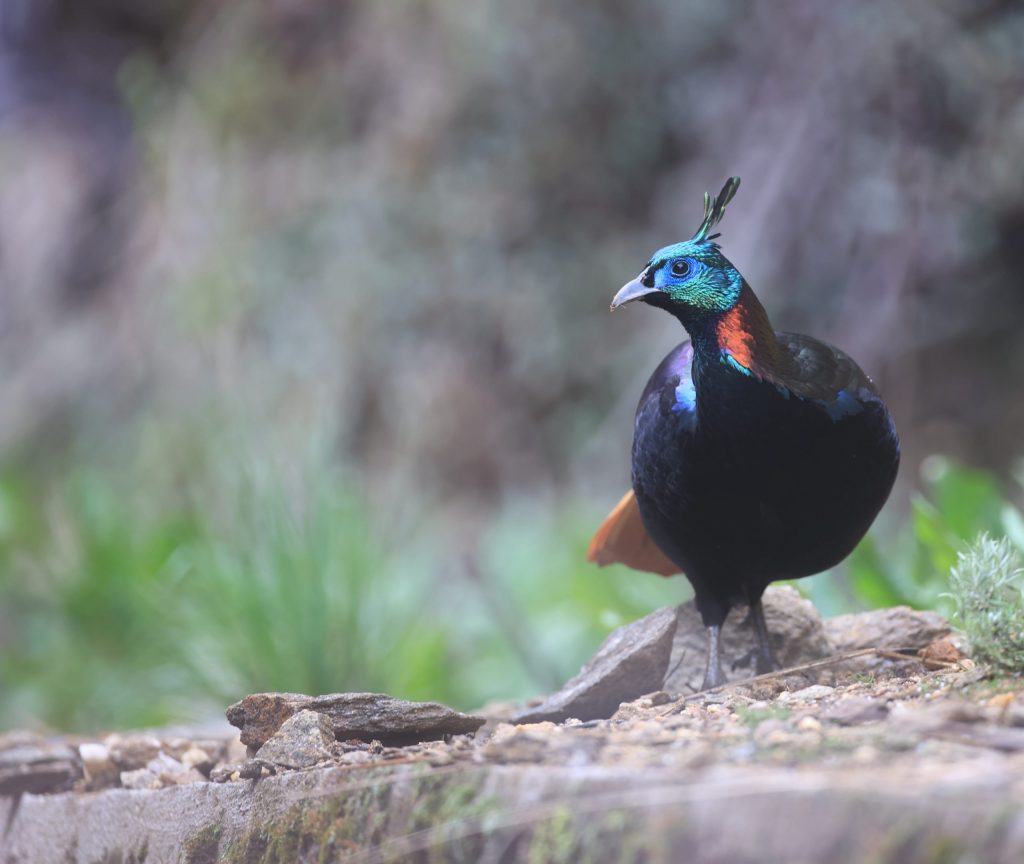 Himalayan Monal, 棕尾虹雉, Lophophorus impejanus
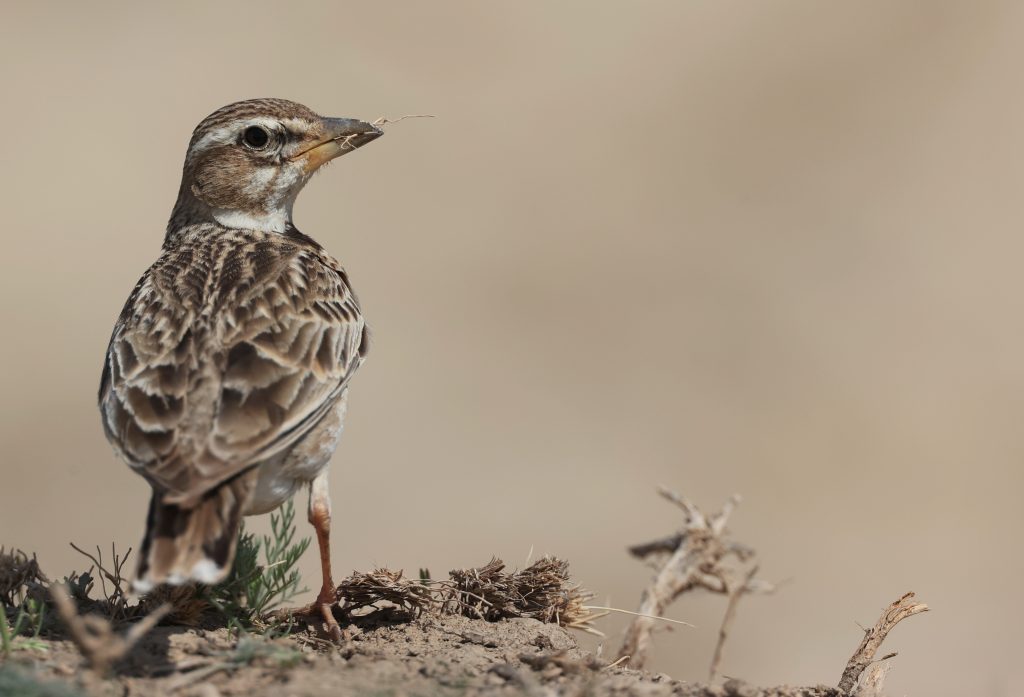 Bimaculated Lark, 二斑百灵, Melanocorypha bimaculata
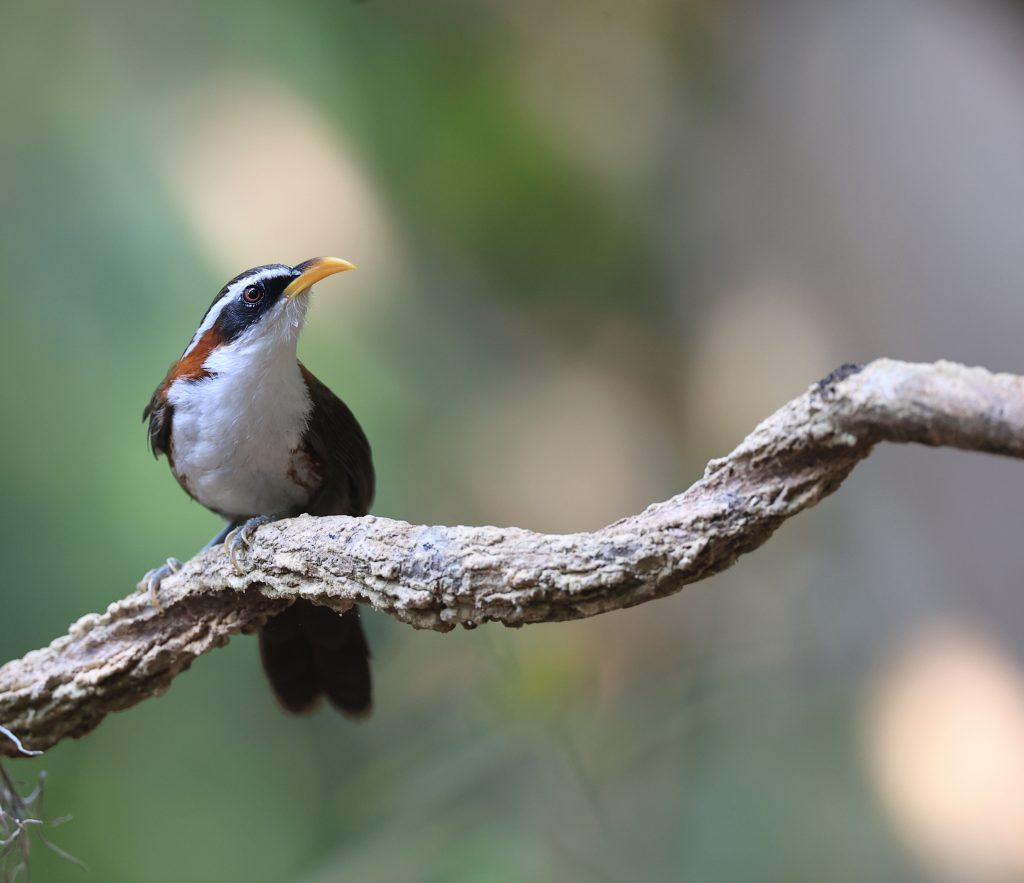 White-browed Scimitar Babbler, 灰头钩嘴鹛, Pomatorhinus schisticeps
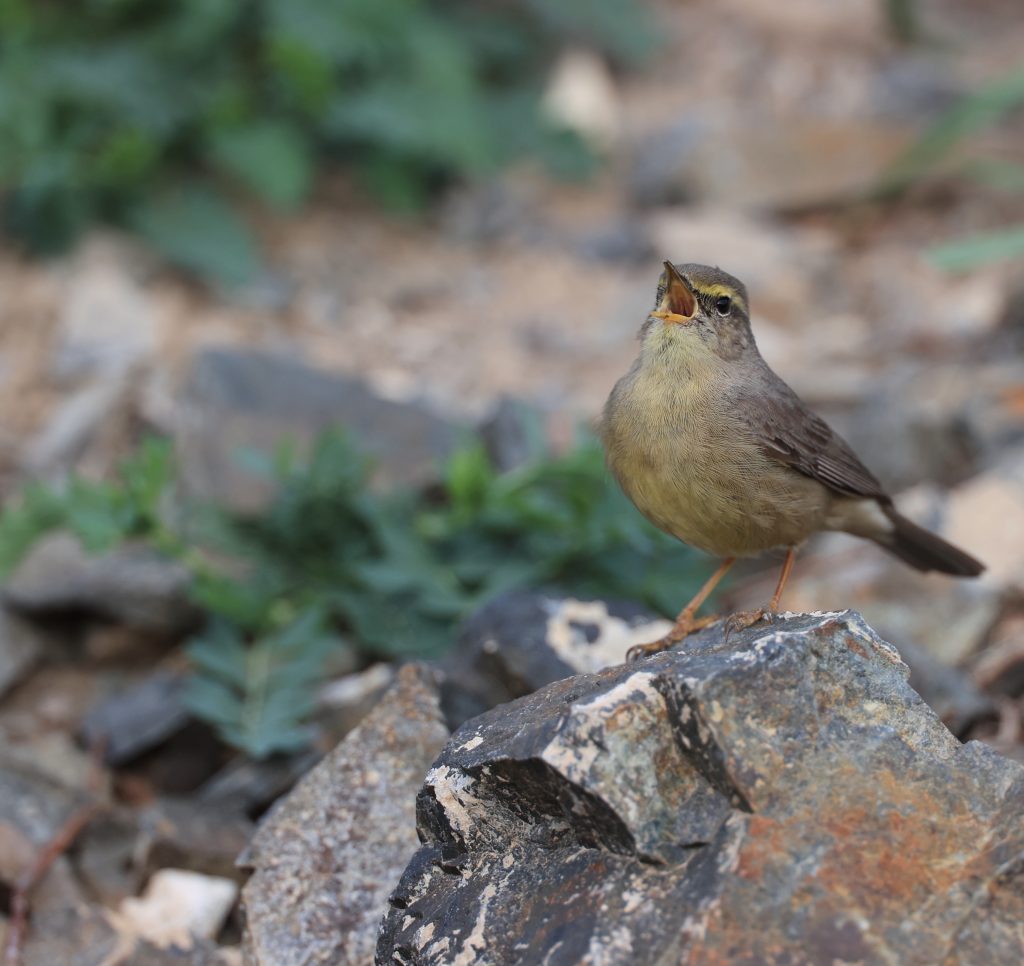 Sulphur-bellied Warbler, 灰柳莺, Phylloscopus griseolus
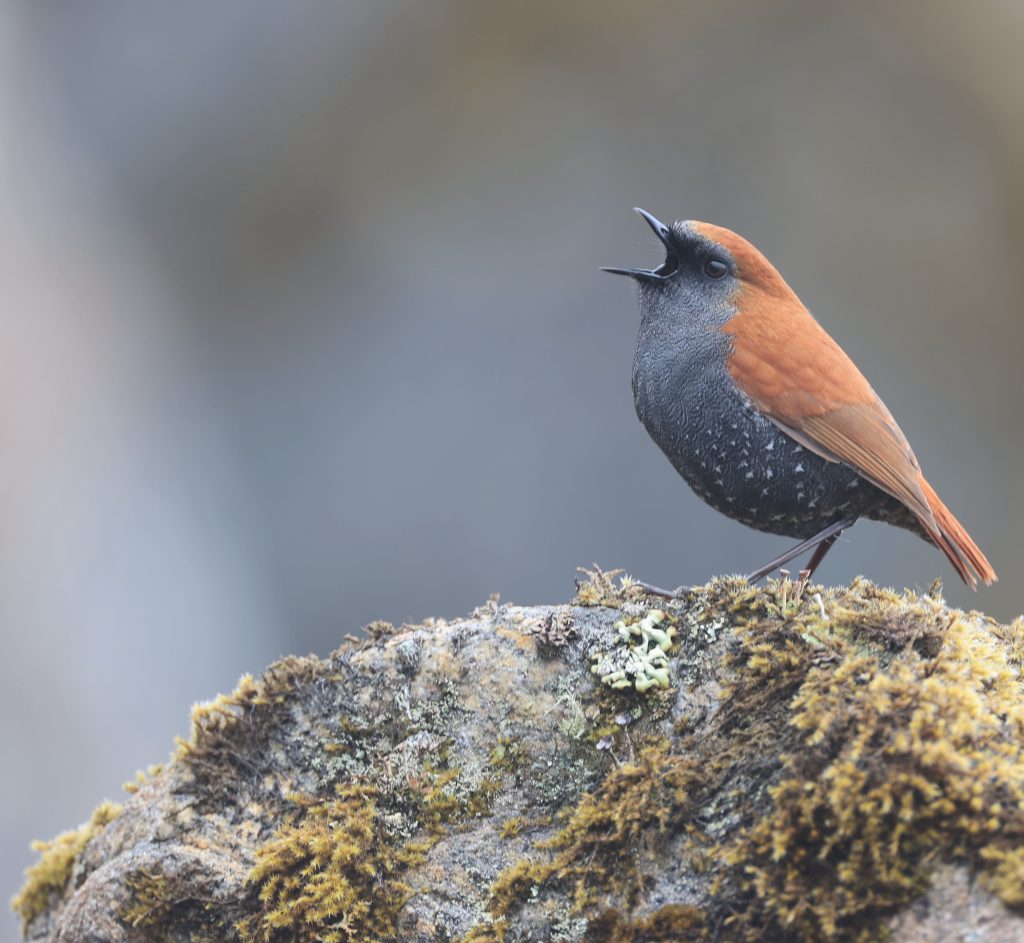 Gould's Shortwing, 栗背短翅鸫, Heteroxenicus stellatus
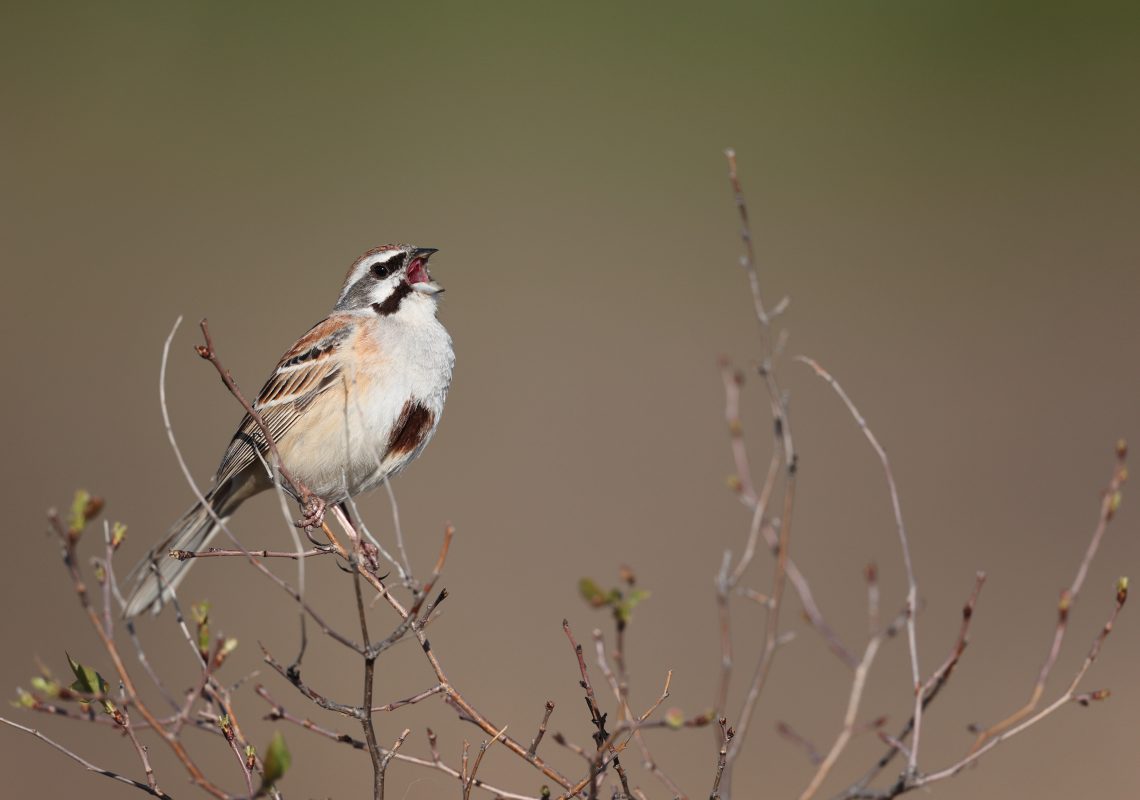 Jankowski's Bunting, 栗斑腹鹀, Emberiza jankowskii
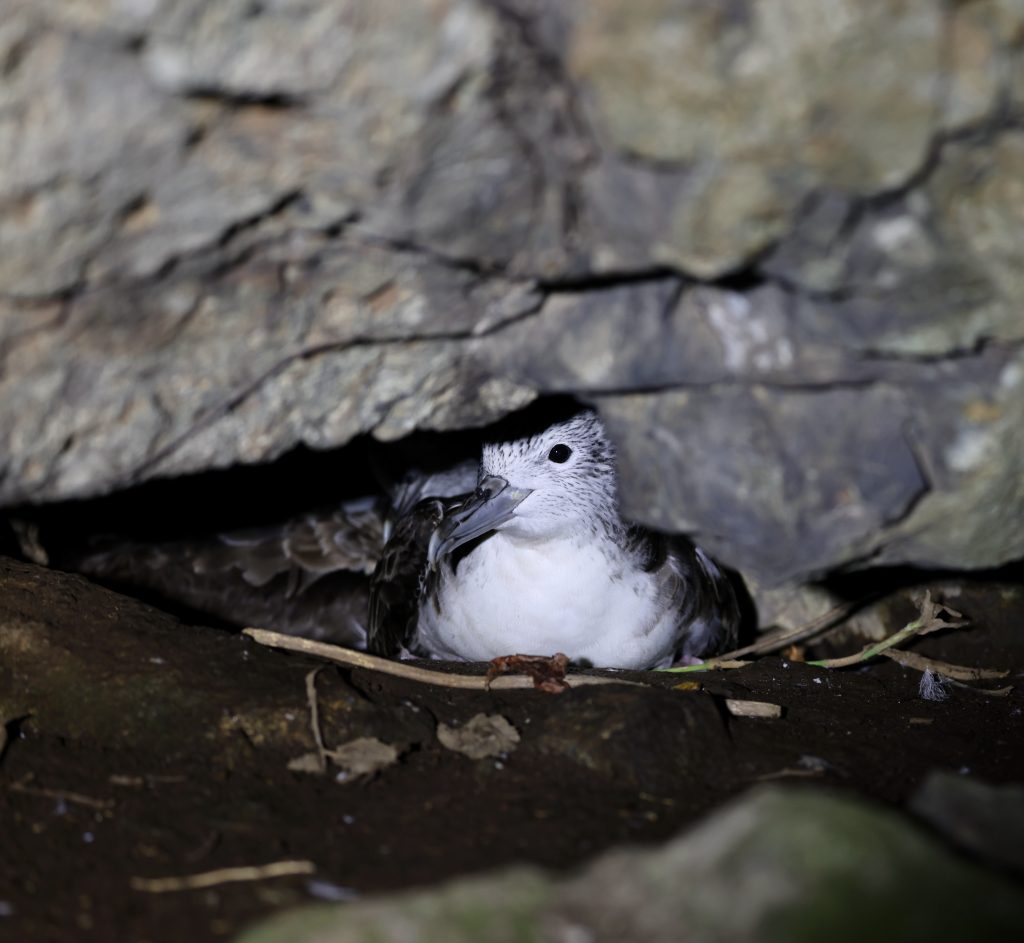 Streaked Shearwater, 白额鹱, Calonectris leucomelas
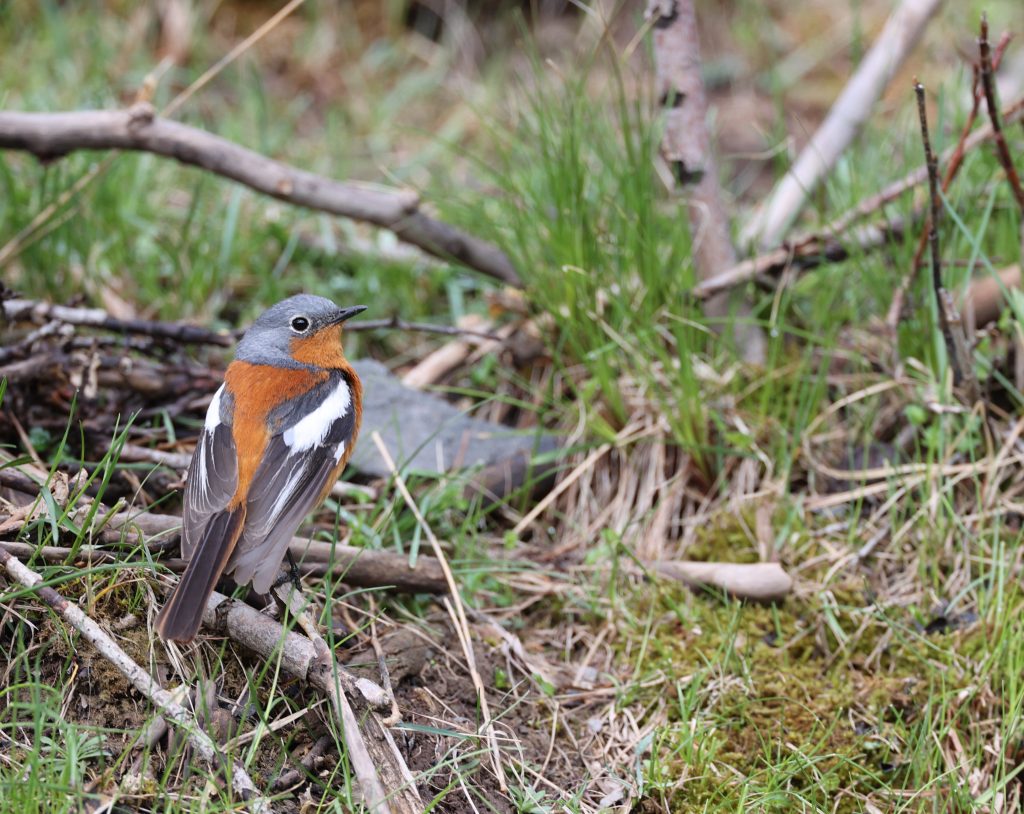 Przevalski's Redstart, 贺兰山红尾鸲, Phoenicurus alaschanicus
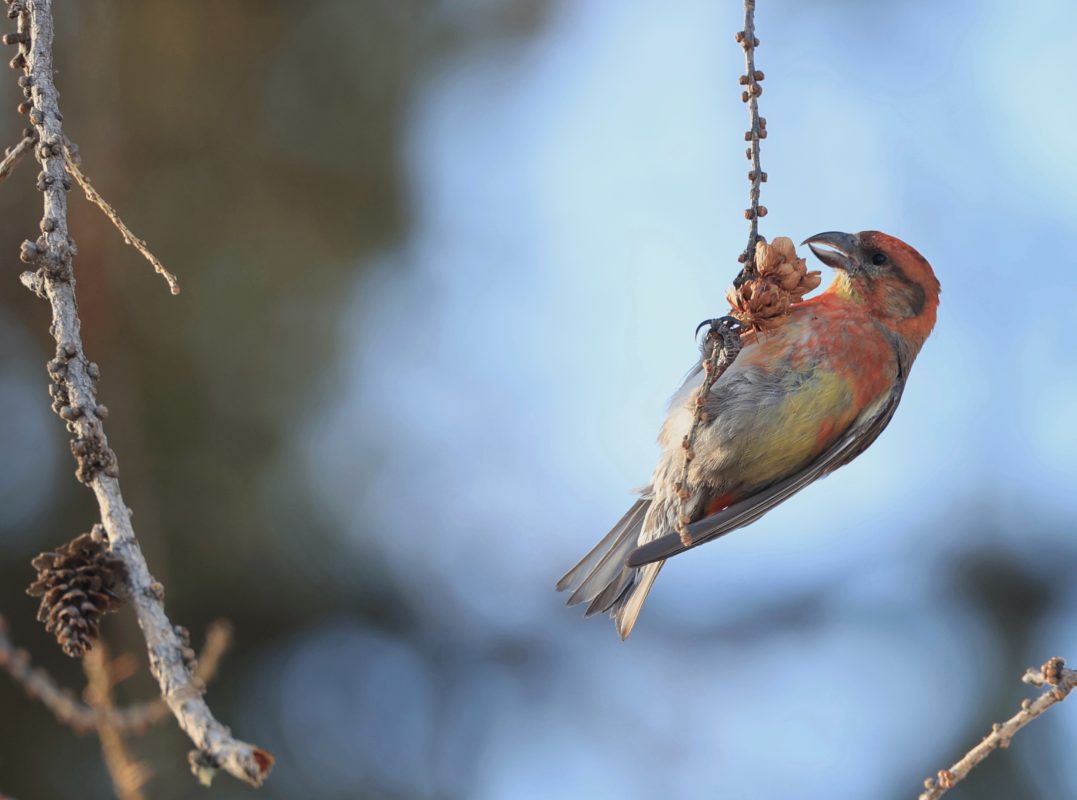 Red Crossbill, 红交嘴雀, Loxia curvirostra
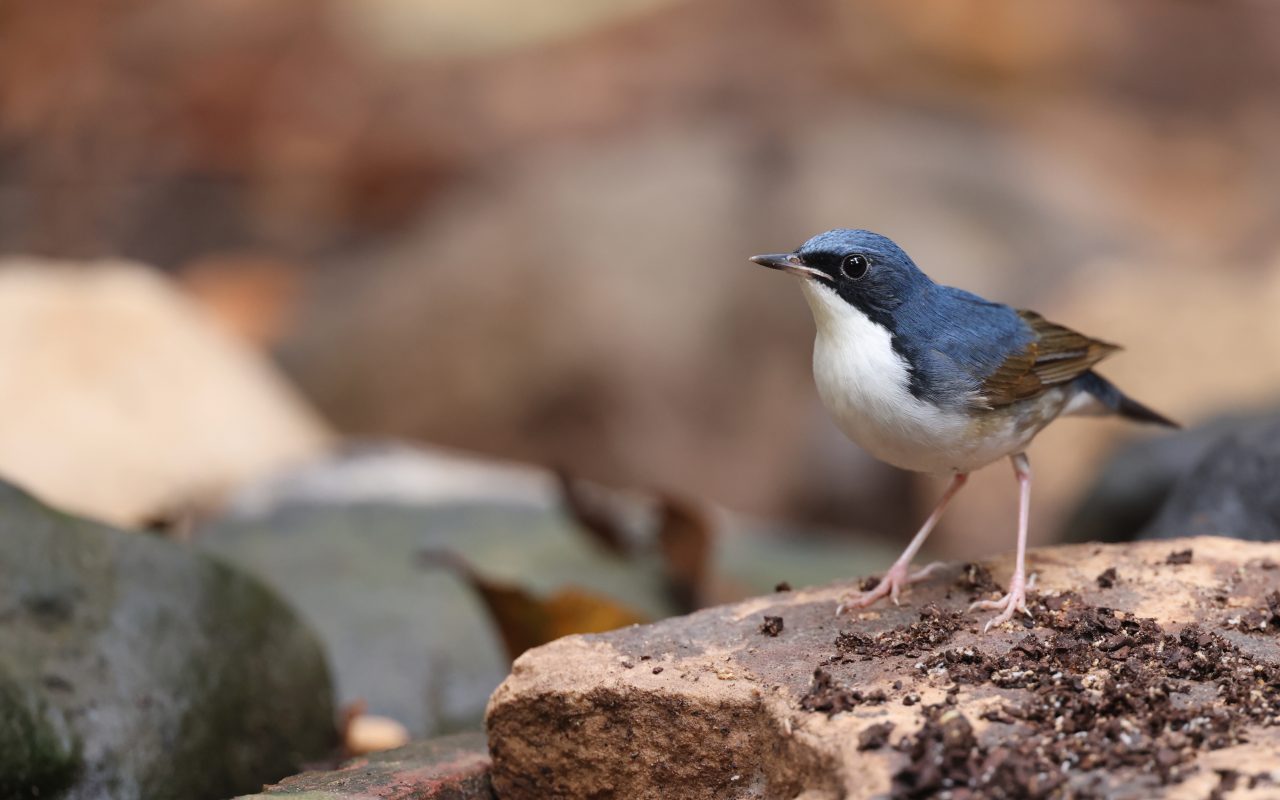 Siberian Blue Robin, 蓝歌鸲, Larvivora cyane
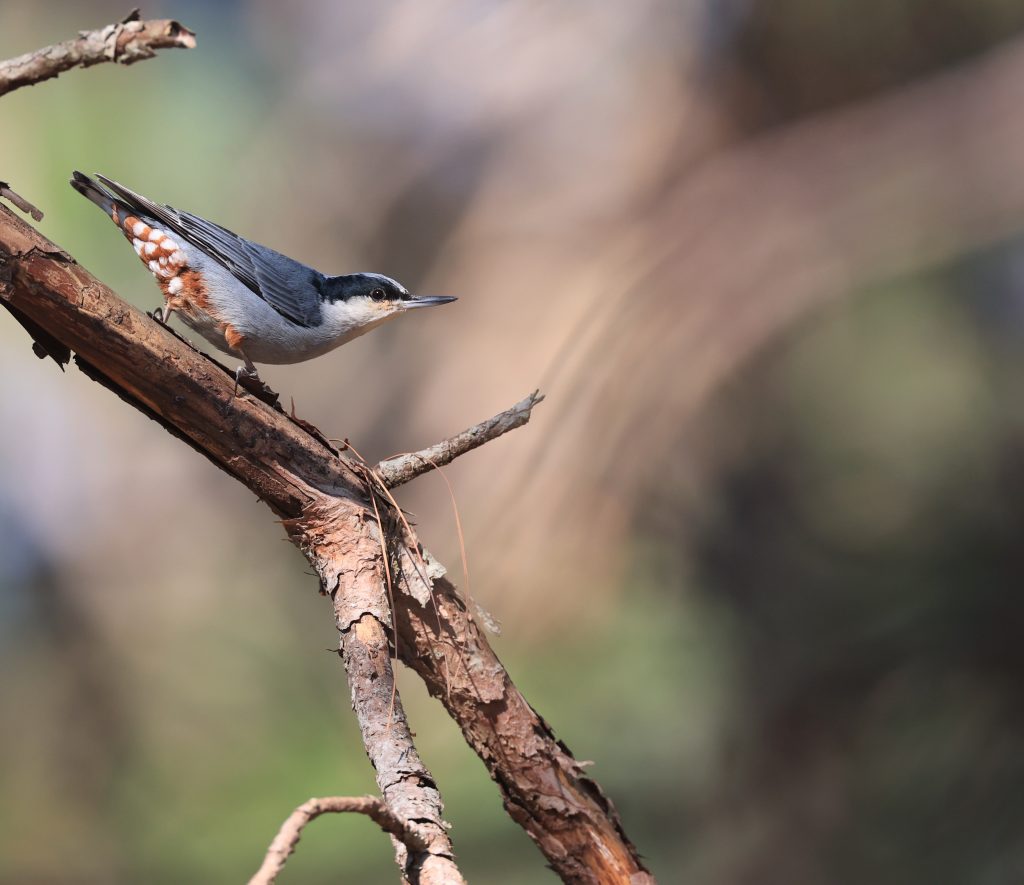 Giant Nuthatch, 巨䴓, Sitta magna
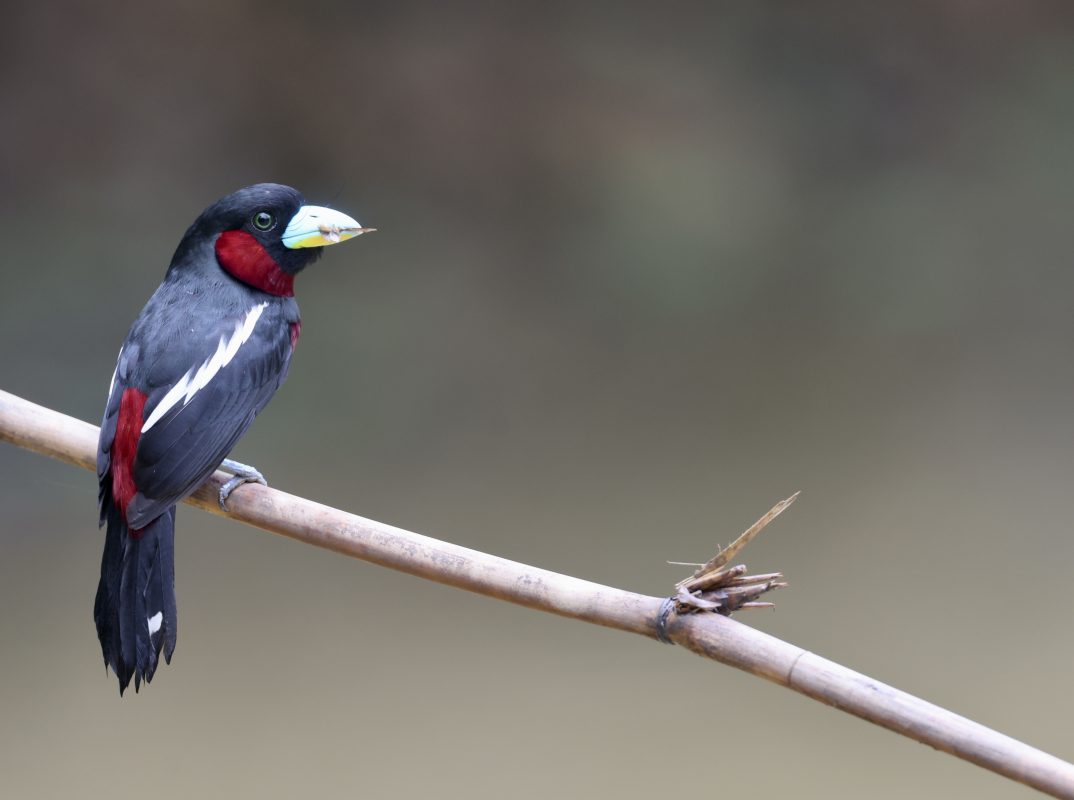 Black-and-Red Broadbill, 黑红阔嘴鸟, Cymbirhynchus macrorhynchos
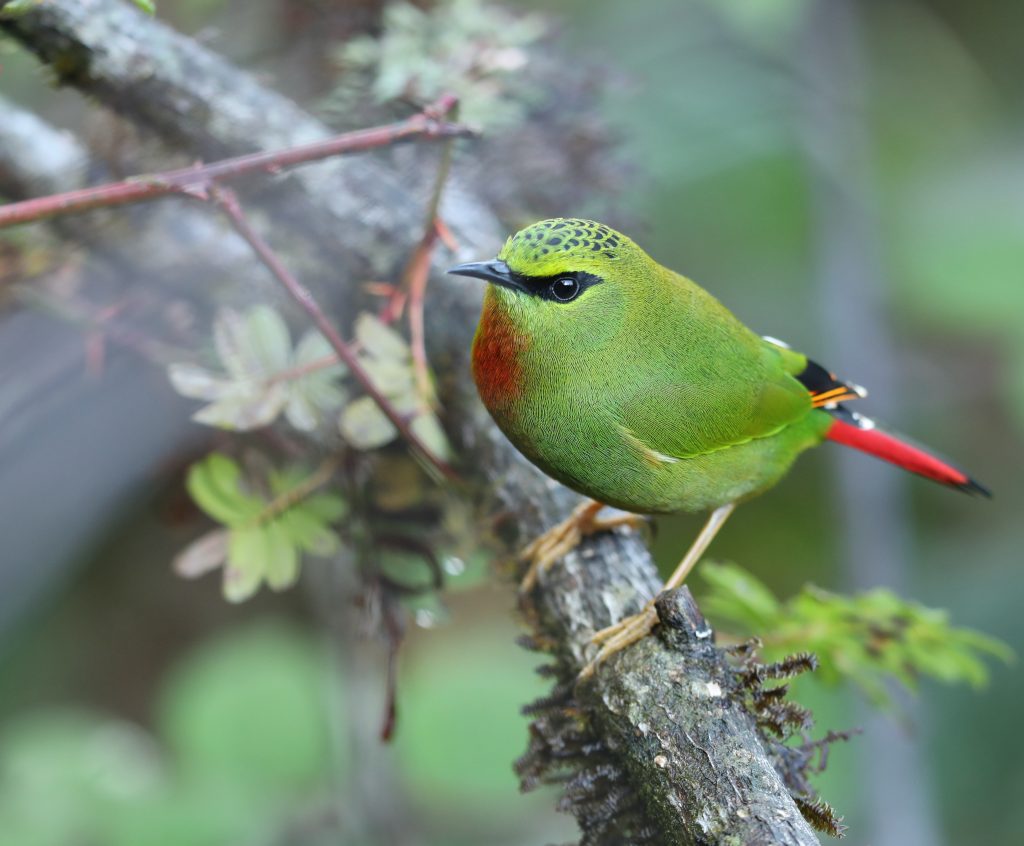 Fire-tailed Myzornis, 火尾绿鹛, Myzornis pyrrhoura
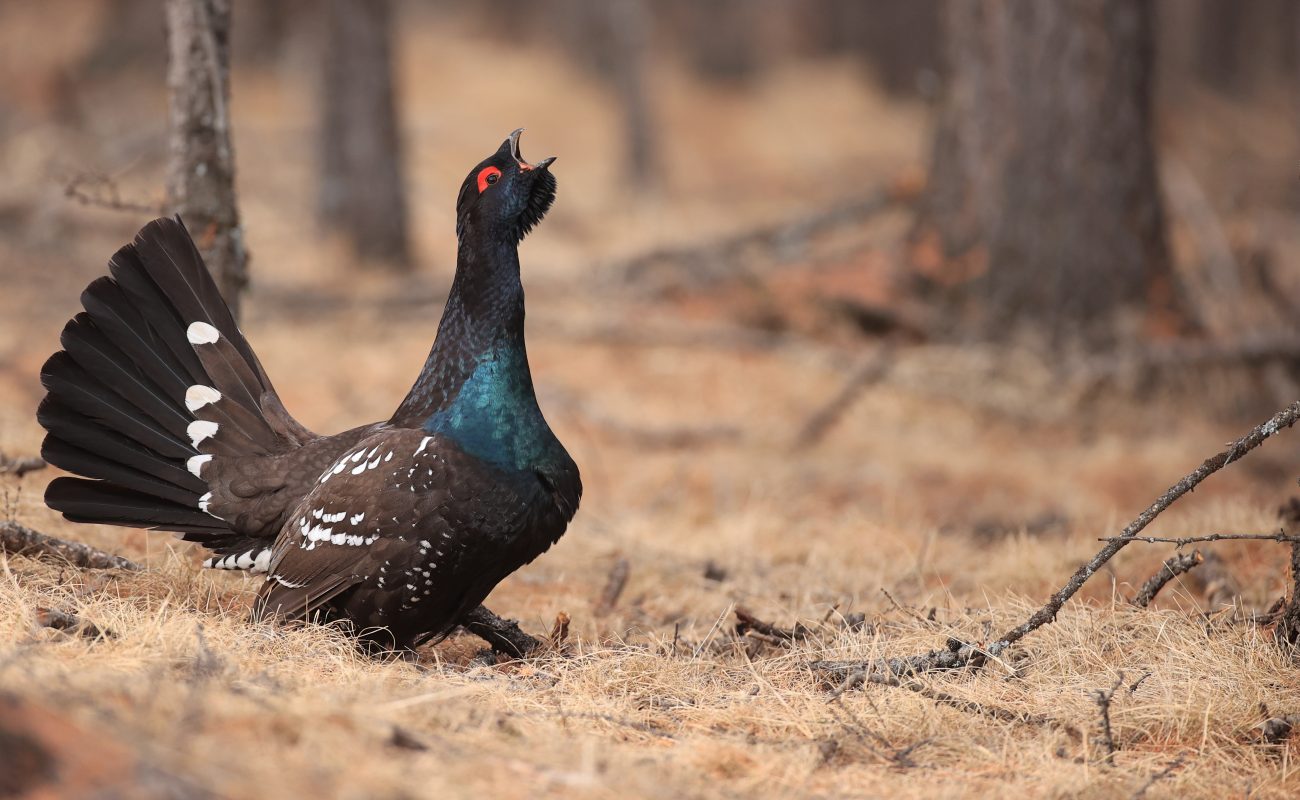 Black-billed Capercaillie, 黑嘴松鸡, Tetrao urogalloides
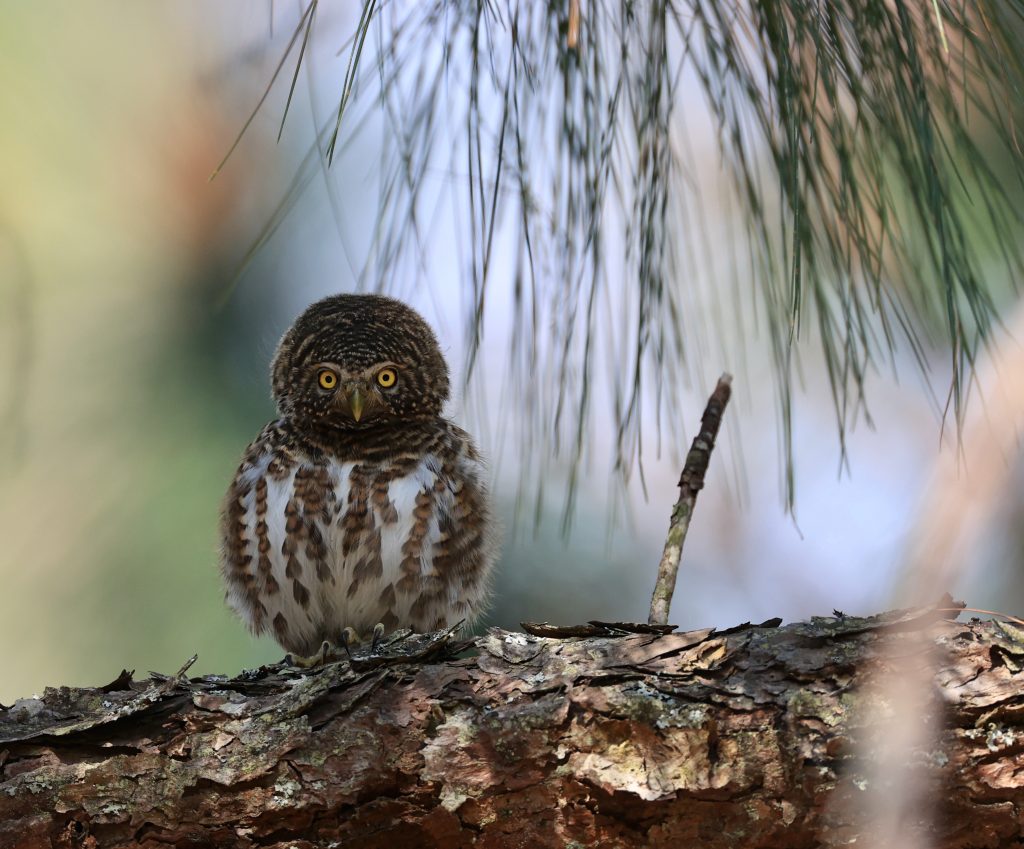 Collared Owlet, 领鸺鹠, Glaucidium brodiei
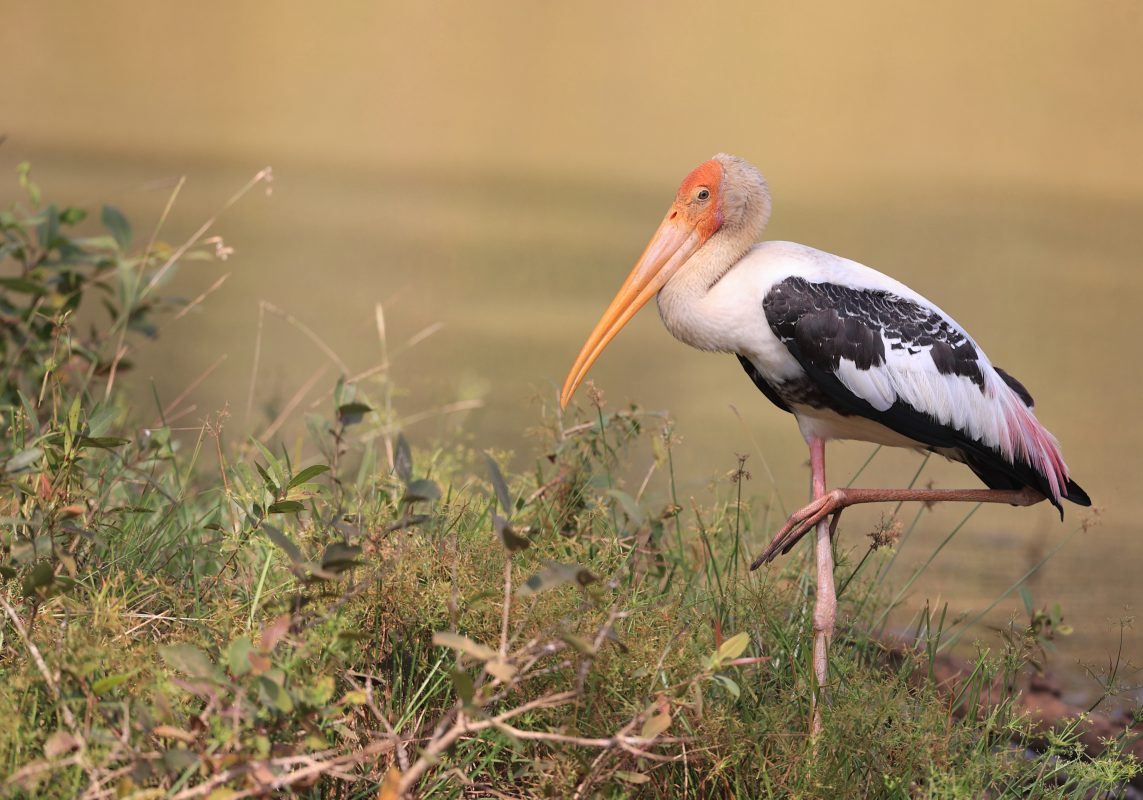 Painted Stork, 彩鹳, Mycteria leucocephala
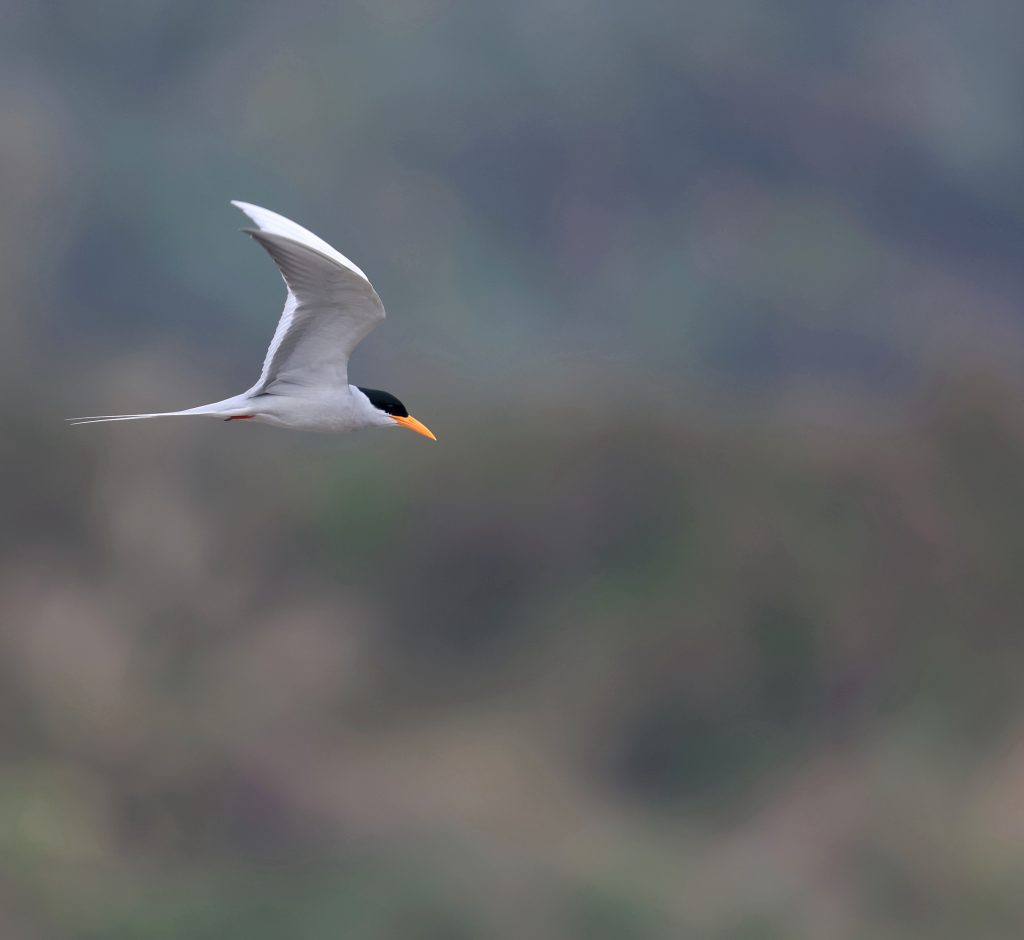 River Tern, 黄嘴河燕鸥, Sterna aurantia
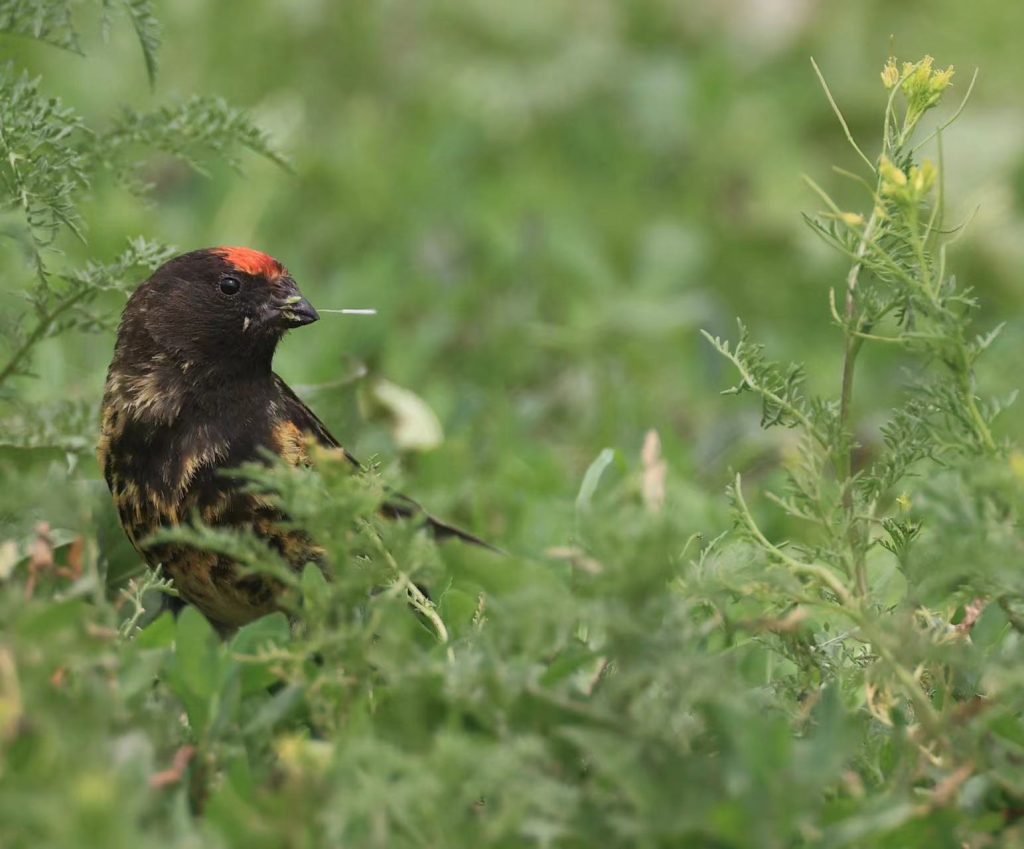 Red-fronted Serin, 金额丝雀, Serinus pusillus
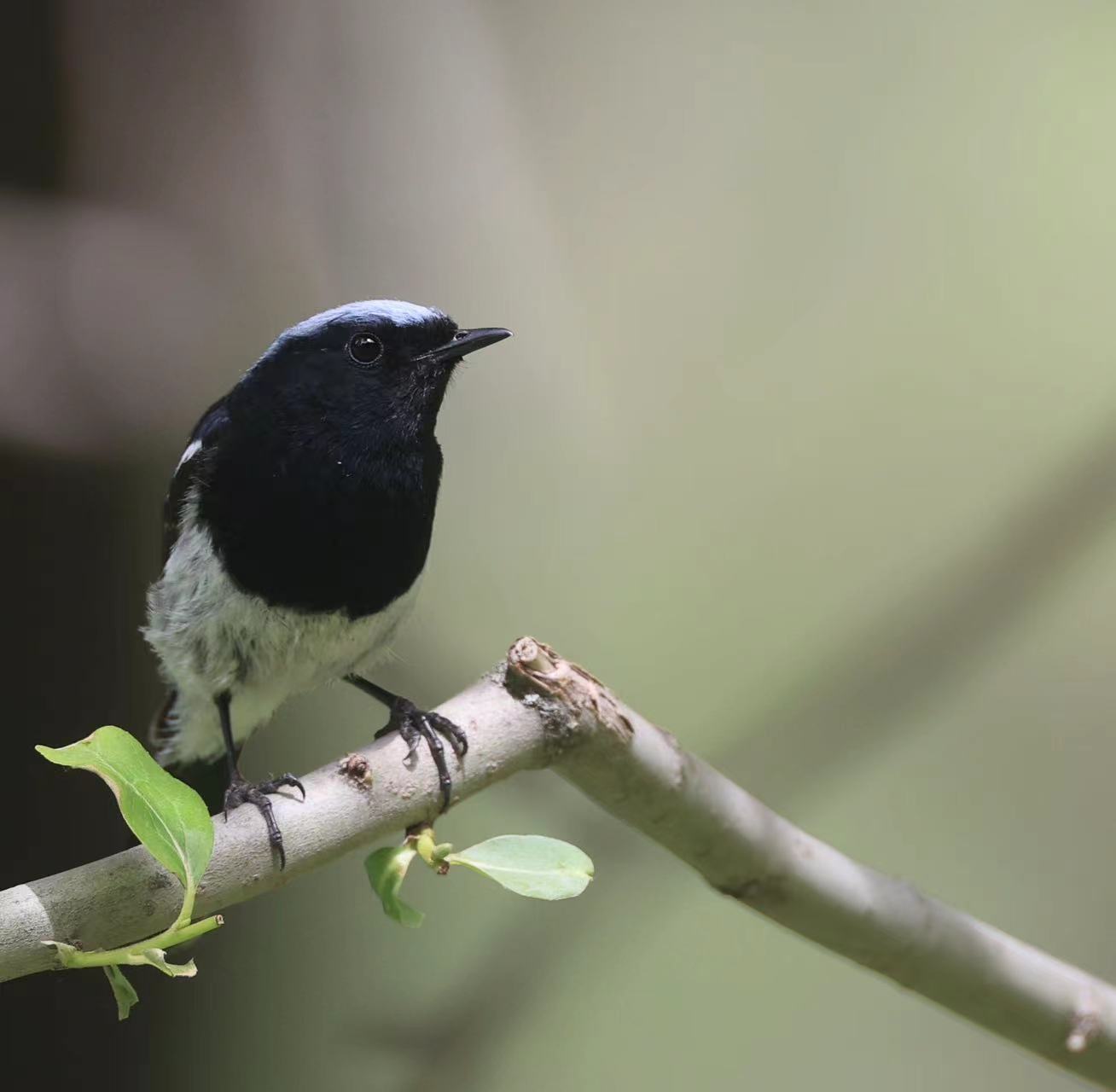 Blue-capped Redstart, 蓝头红尾鸲, Phoenicurus coeruleocephala
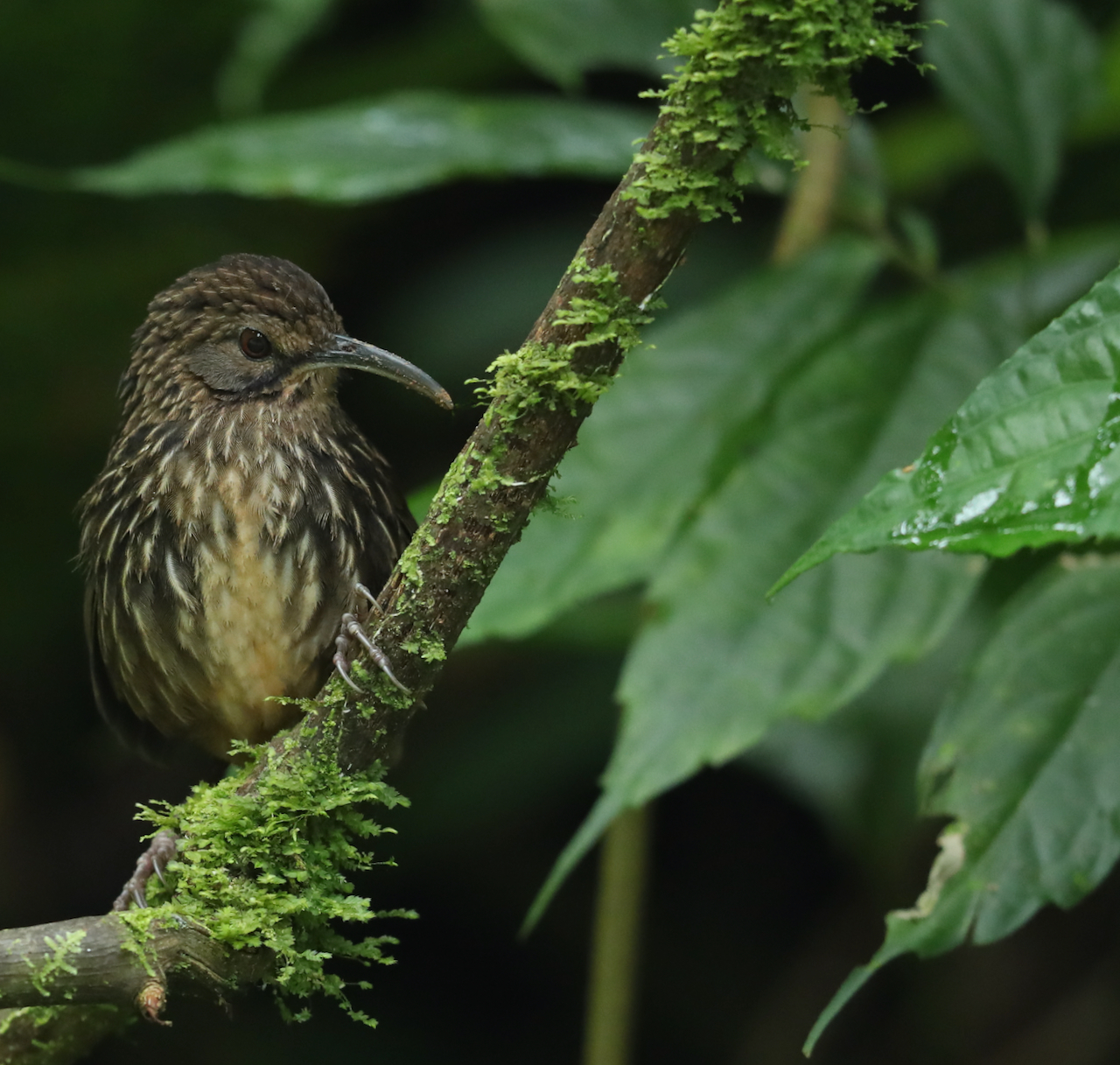 Long-billed Wren-babbler, 长嘴鹩鹛, Rimator malacoptilus
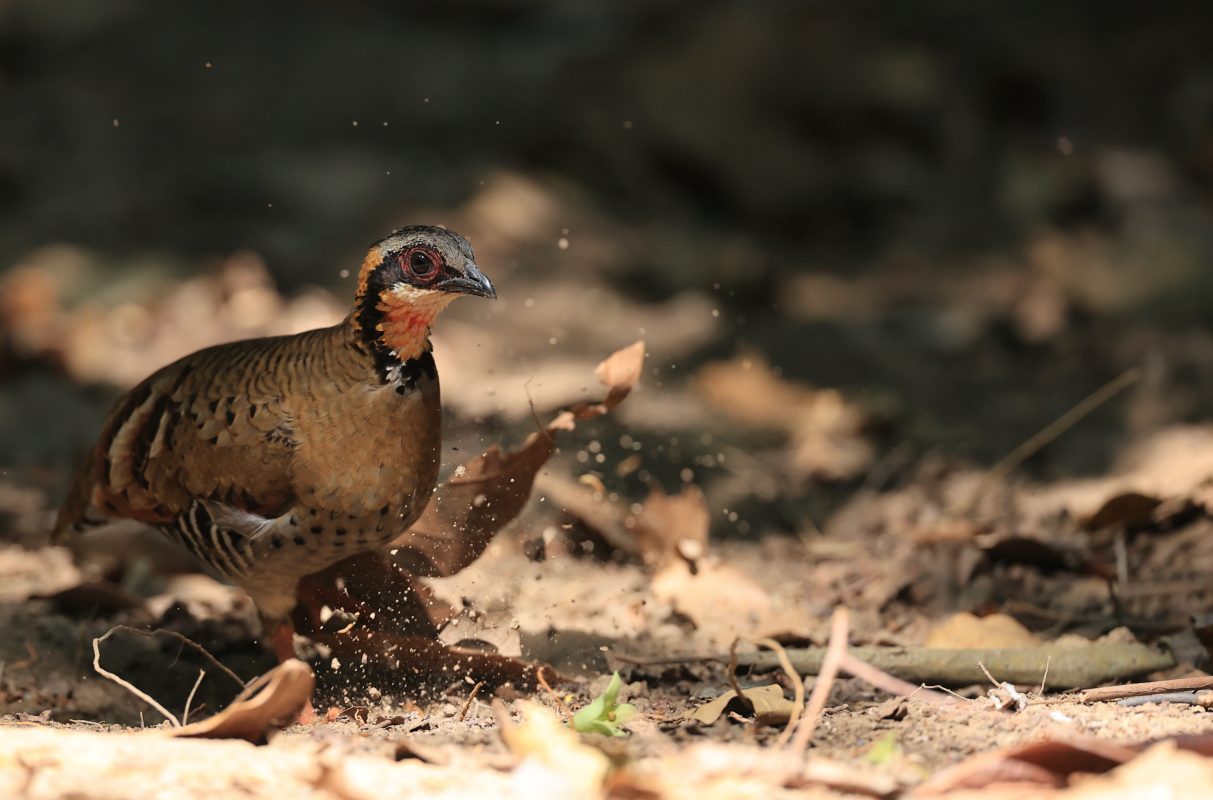 Orange-necked Partridge, 橙颈山鹧鸪, Arborophila davidi
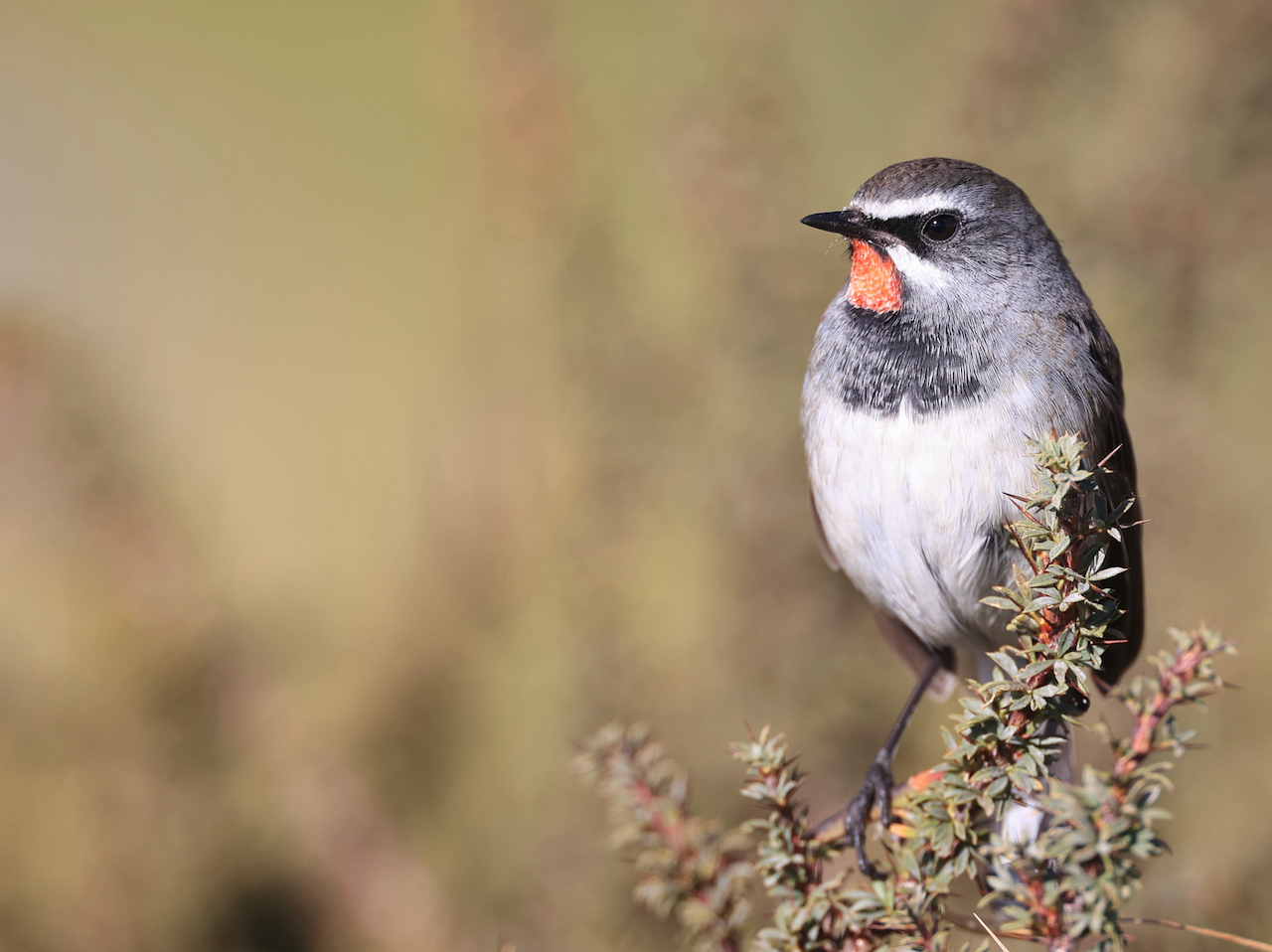 Chinese Rubythroat, 中国歌鸲, Calliope tschebaiewi
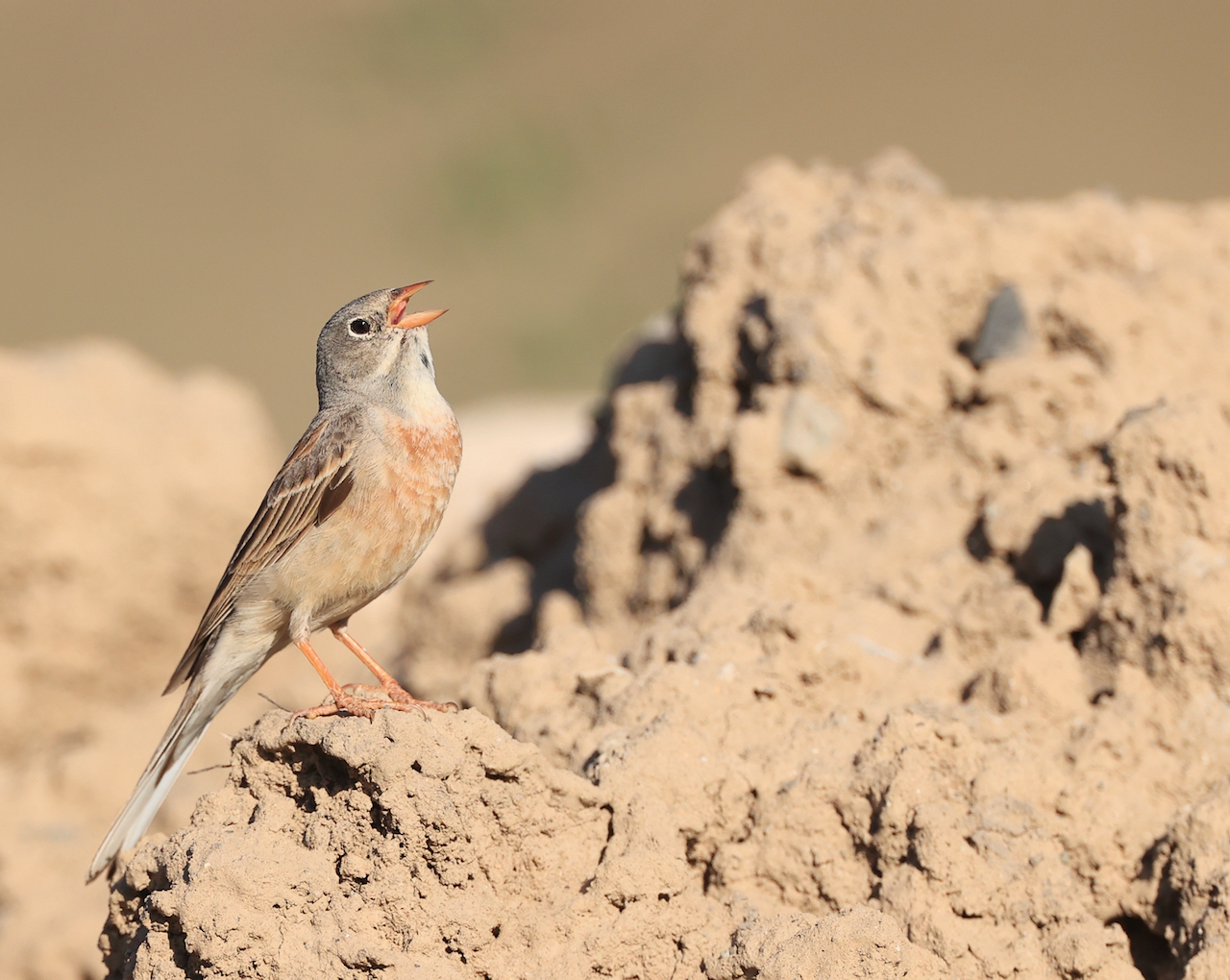 Grey-necked Bunting, 灰颈鹀, Emberiza buchanani
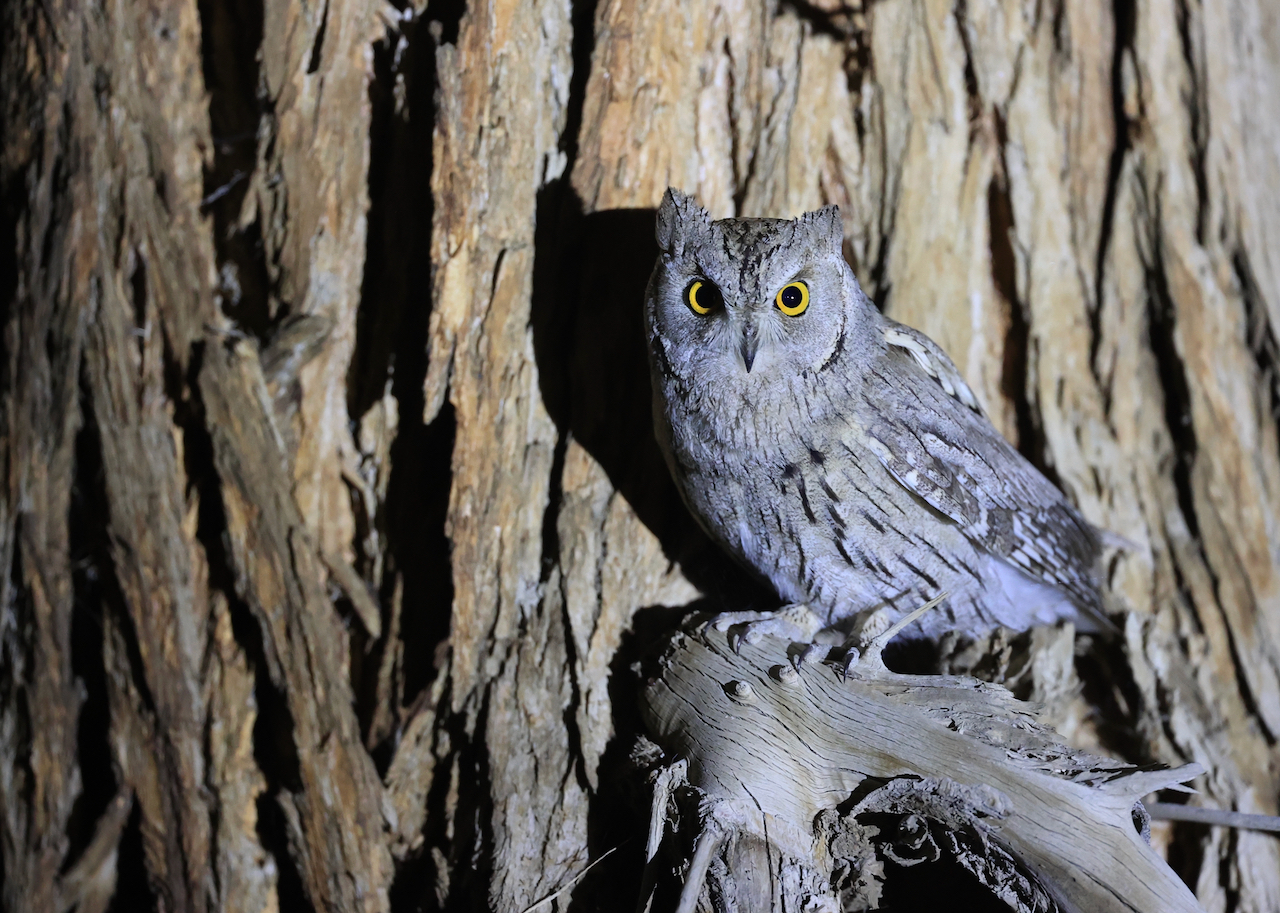 Pallid Scops Owl, 纵纹角鸮, Otus brucei
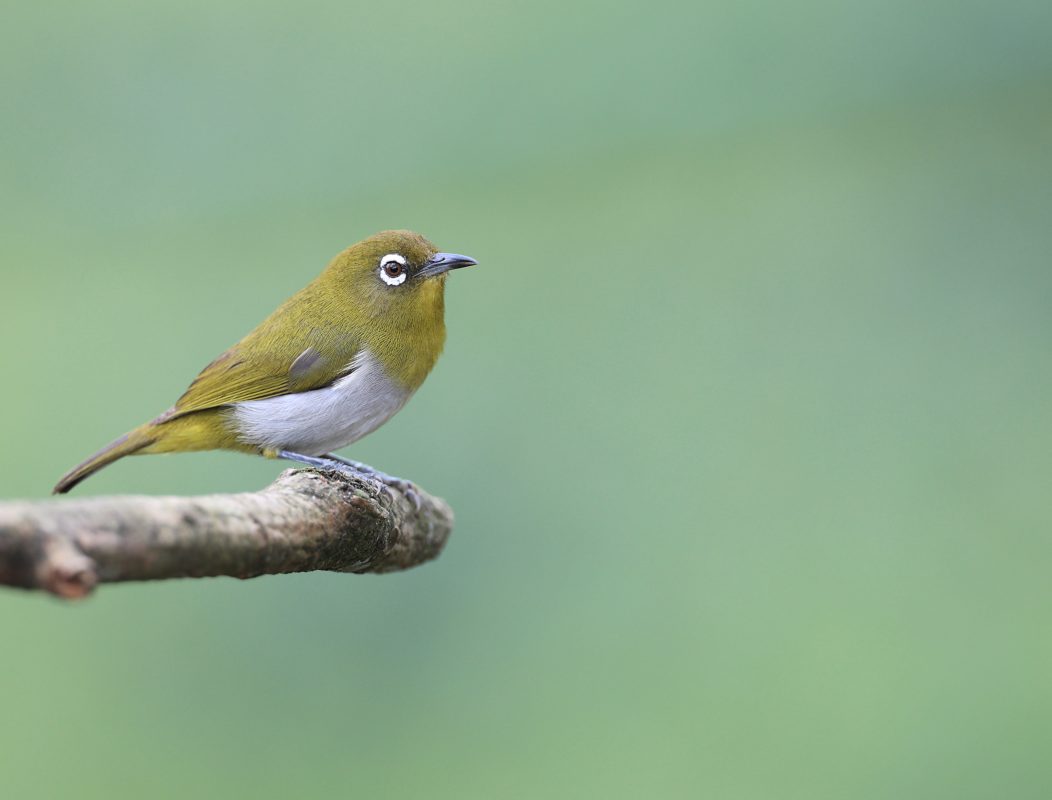 Sri Lanka White-eye, 斯里兰卡绣眼鸟, Zosterops ceylonensis
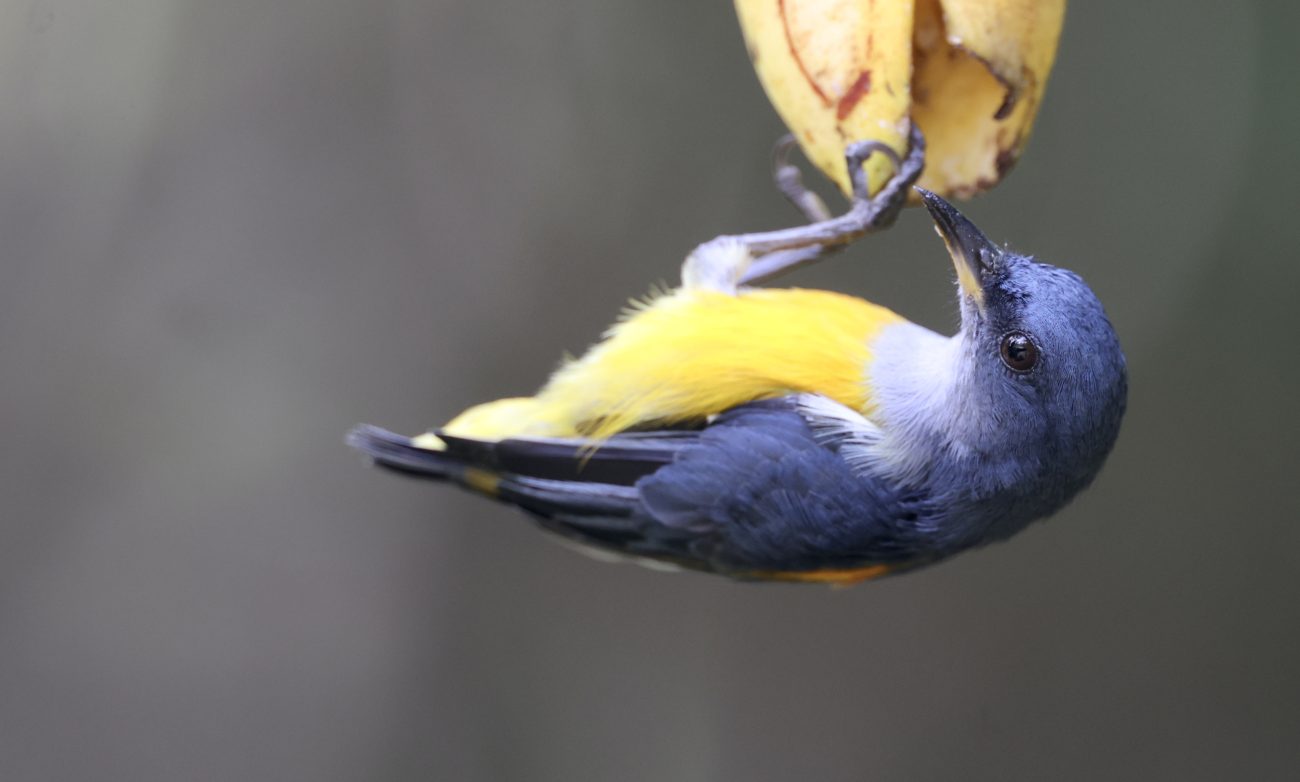 Orange-bellied Flowerpecker, 橙腹啄花鸟, Dicaeum trigonostigma
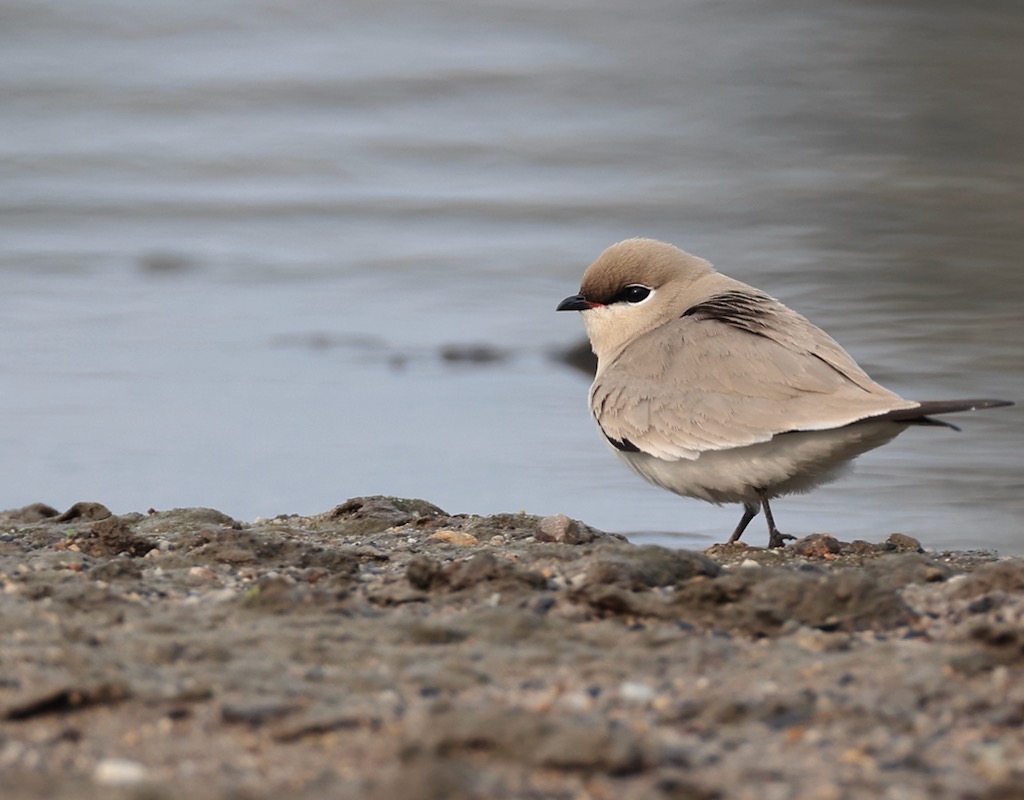 Small Pratincole, 灰燕鸻, Glareola lactea
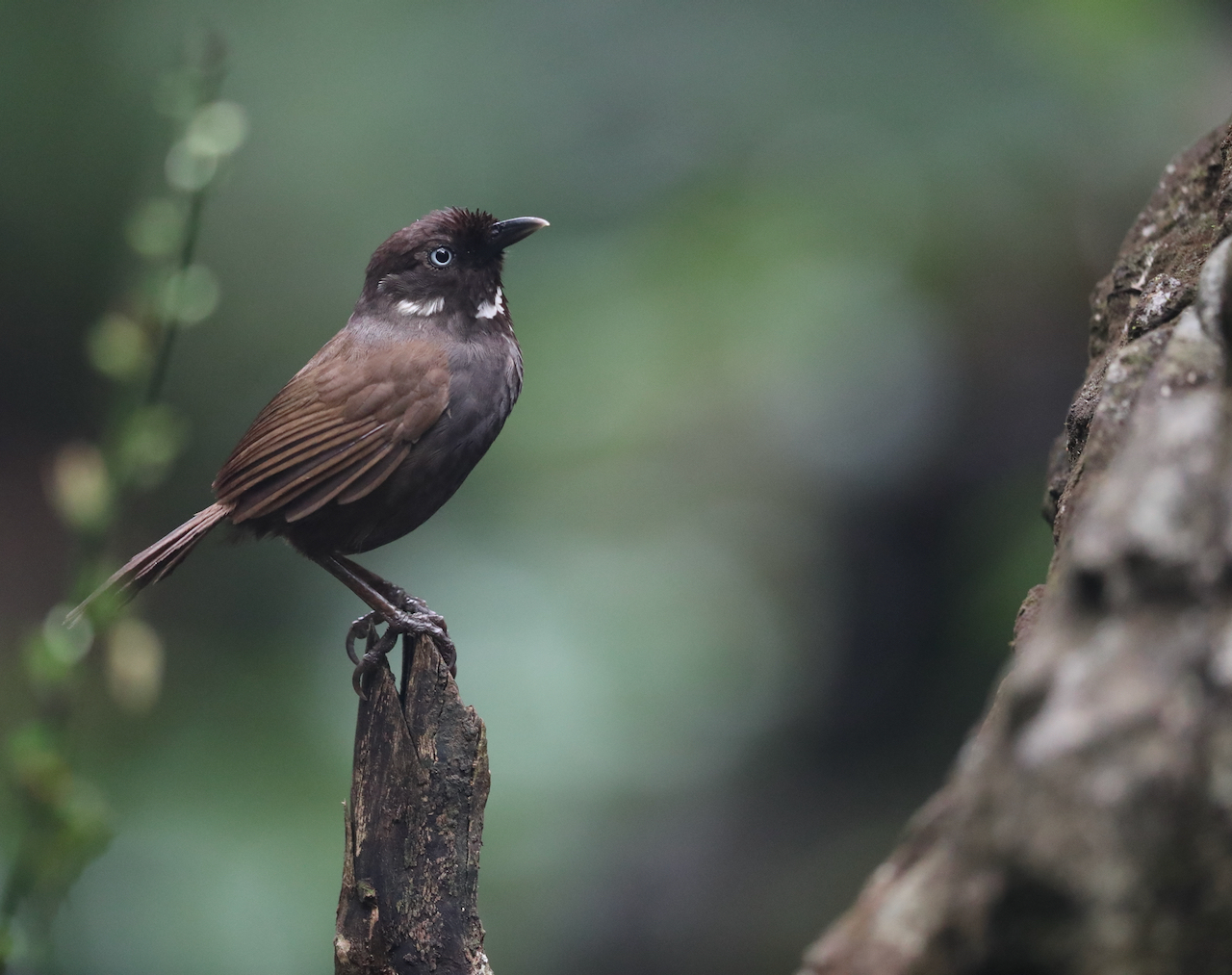 Nonggang Babbler, 弄岗穗鹛, Stachyris nonggangensis
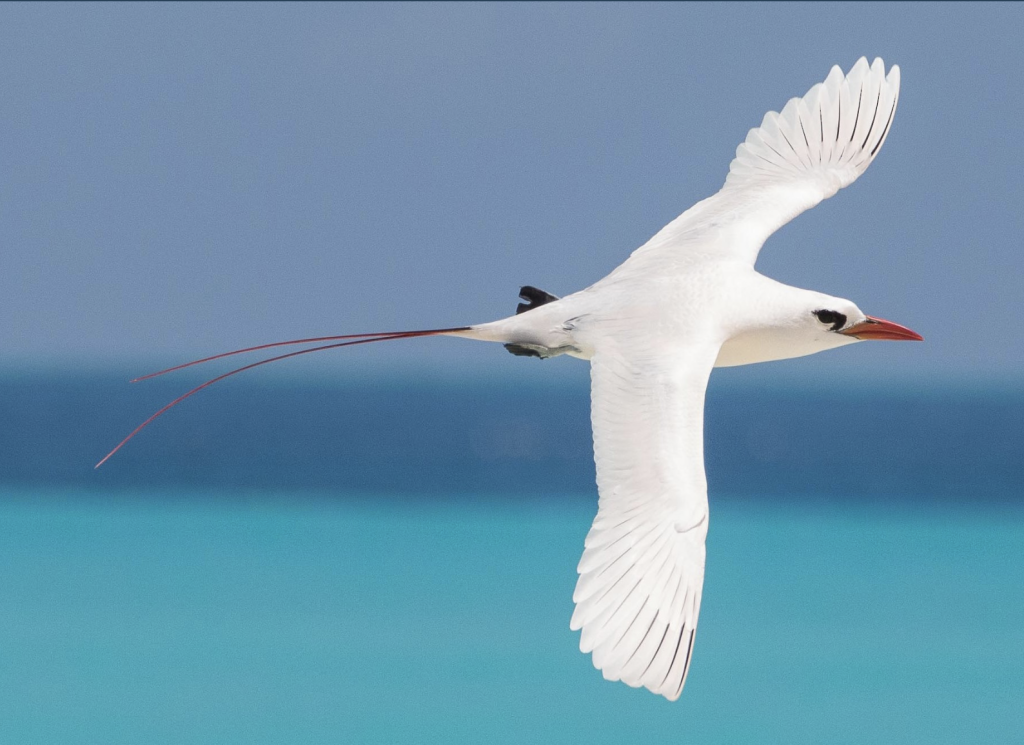
 : Lord Howe Island
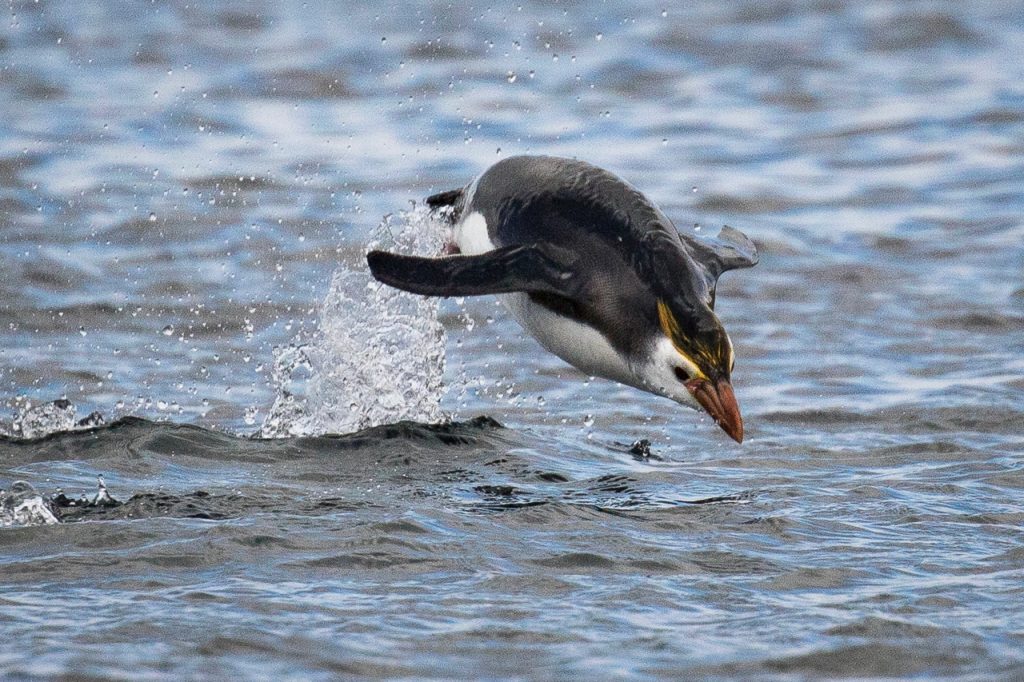
 : Seabirds
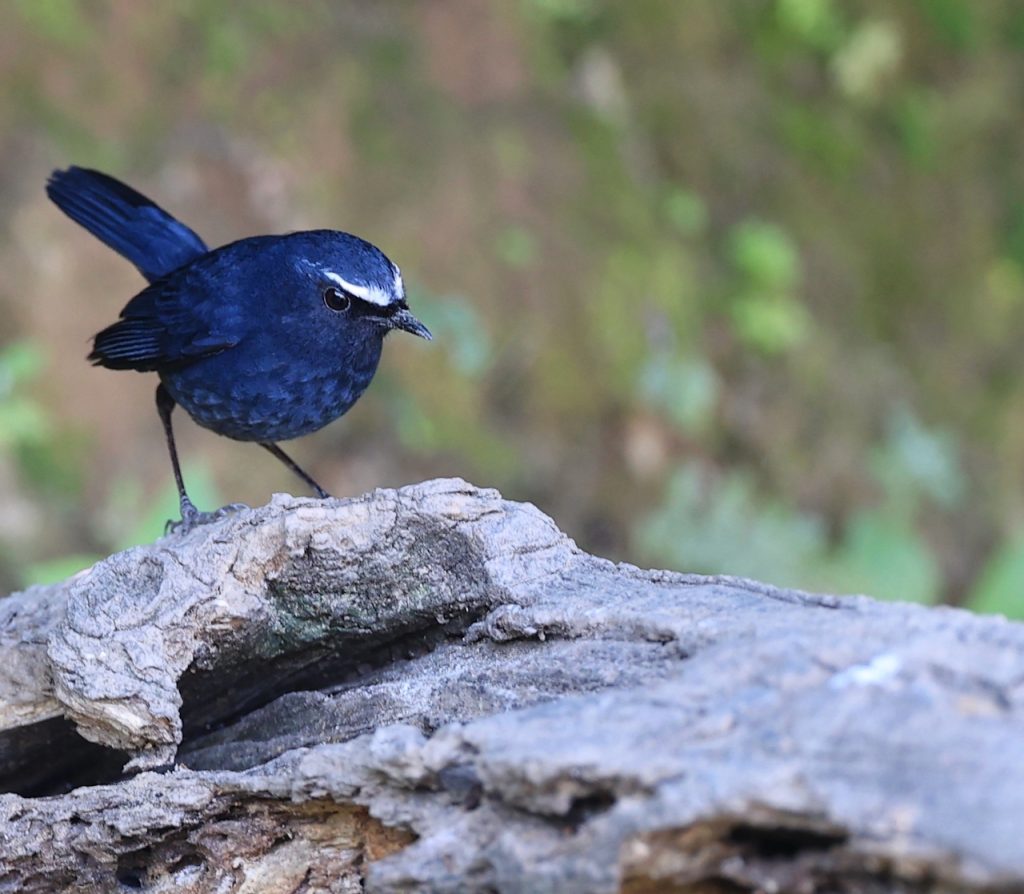
 : Yunnan