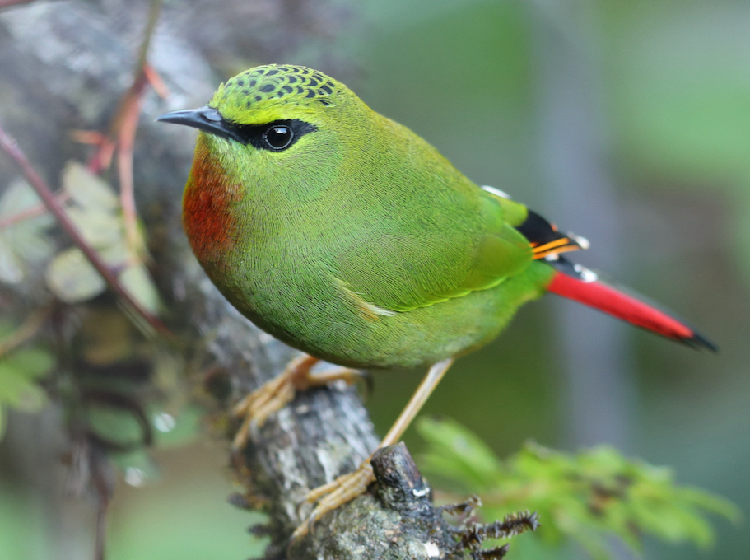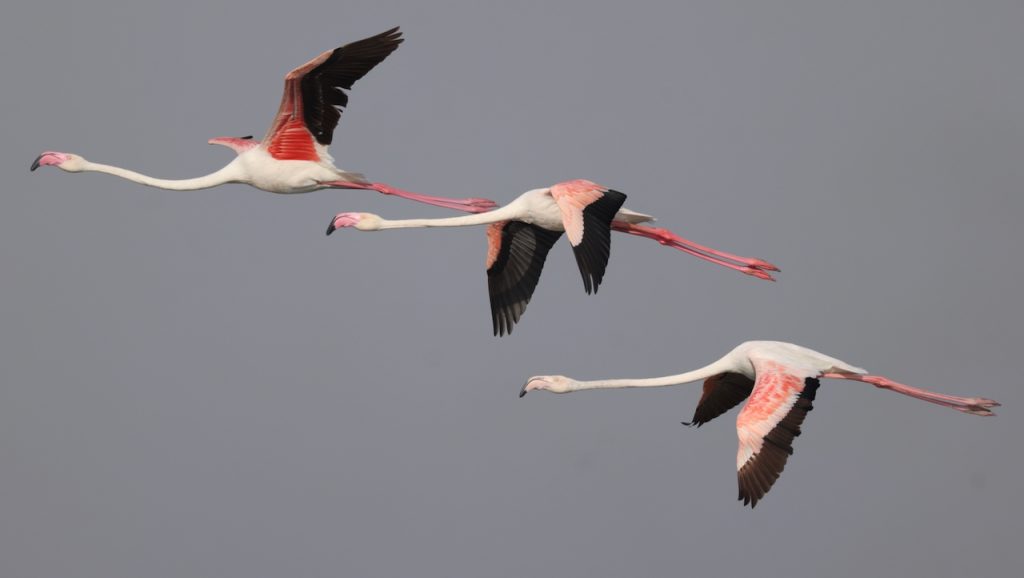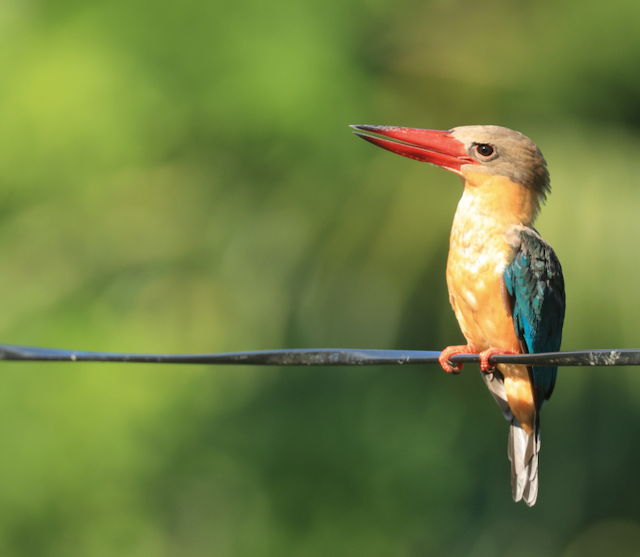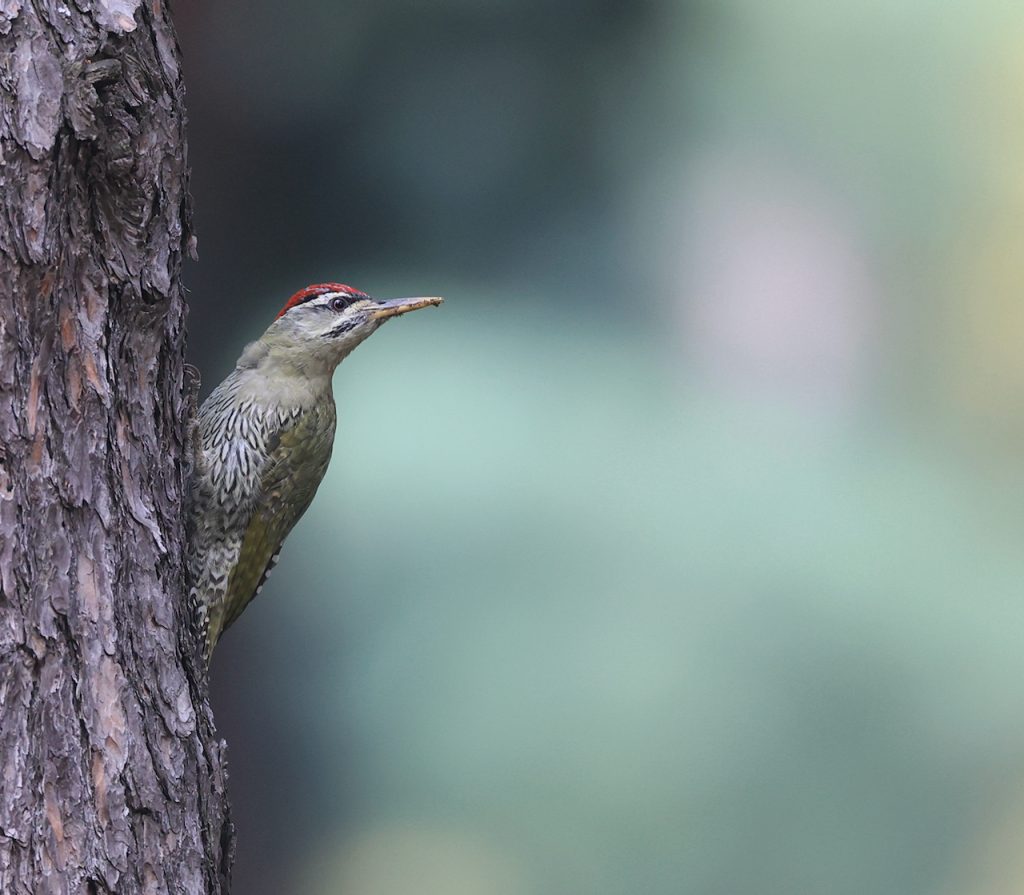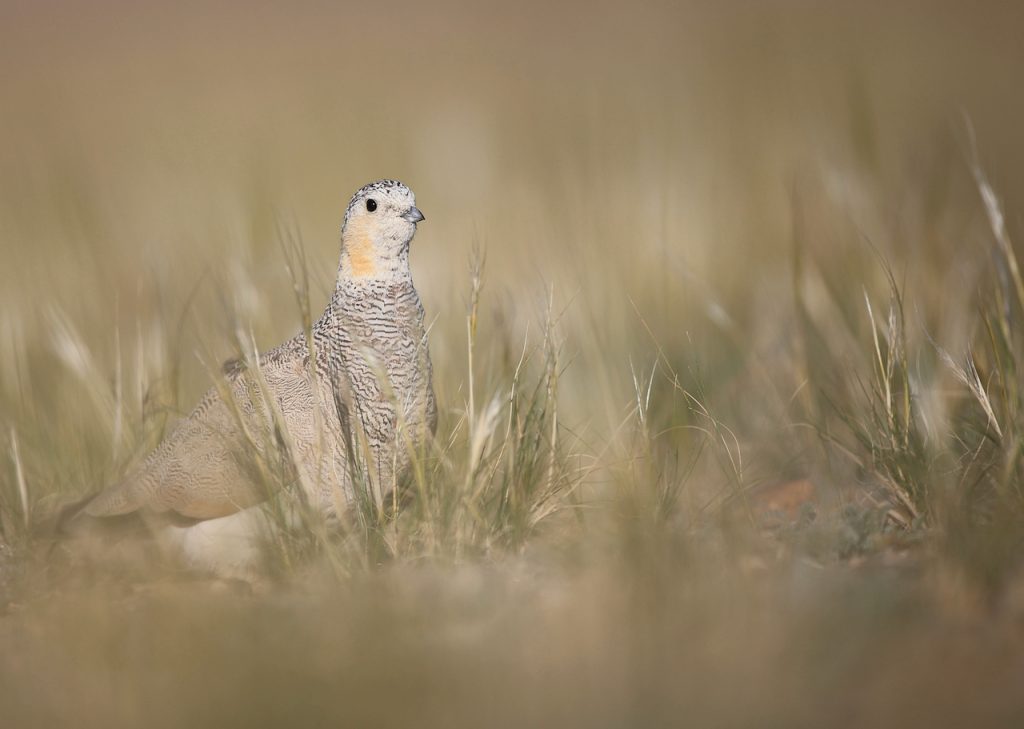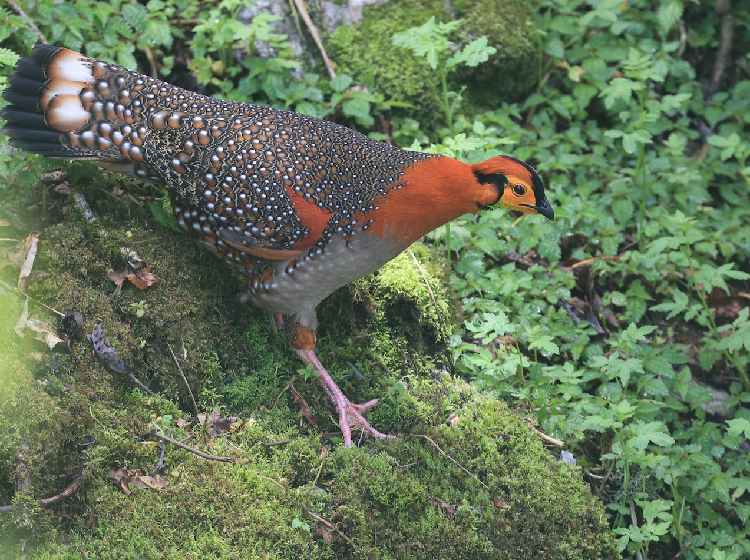
India holds more than 1,300 bird species, and no single trip can do it justice. That is why we run five: the Eastern Himalaya of Arunachal Pradesh for tragopans and wren-babblers in spring; Kashmir for the Western Himalayan specials in summer; Ladakh, on the edge of the Tibetan Plateau, for the snowcocks and Tibetan Sandgrouse; the wetlands of Gujarat for flamingos, pelicans, cranes and Indian Skimmer in winter; and the Andaman Islands for twenty endemics on tropical islands closer to Sumatra than to Delhi.
Nick has photographed across India for fifteen years, from the Himalaya to the Western Ghats and the Andamans, and each of these itineraries was built on that experience. Every departure is one to four photographers.
The scale. India runs from the Tibetan Plateau at 4,500 metres to tropical islands in the Andaman Sea, and the birds change completely every few hundred kilometres. In the space of one calendar year our five tours cover snowcocks on a high pass, tragopans in bamboo forest, near-endemic woodpeckers and finches in Kashmir's cedar forest, tens of thousands of flamingos on a salt lagoon, and owls found only on one island group.
The second reason is access. Ladakh's guesthouses sit next to the photography sites; Gujarat's lagoons are worked from vehicles and, in West Bengal, from one-client-per-boat punts that put you at water level with the ducks; the Andamans are photographed on foot from a base in Port Blair. None of these trips involve trekking.
It depends entirely on the region, which is why the tours are spread across the year. February for Gujarat's wintering waterbirds and the Andamans' dry season; late April for spring in Arunachal, when the tragopans are calling; August for Kashmir's summer breeders; late August to early September for Ladakh, when the passes are open and the snowcocks are with young. Month-by-month notes are in our guide to bird photography in Asia through the year.
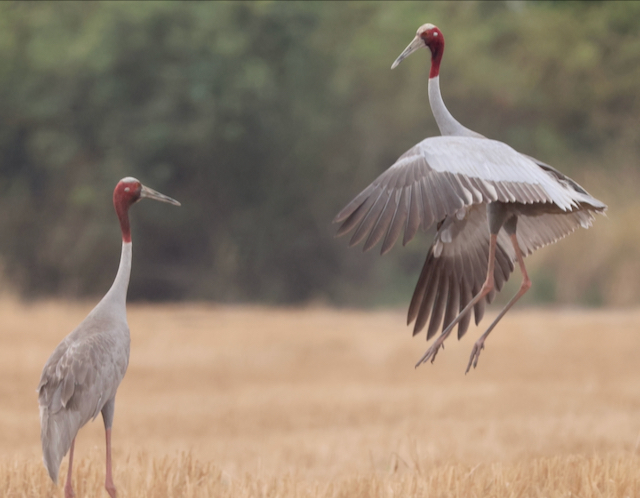
India: Gujarat – 8 to 20 February 2027, 13 days · Easy · Nick
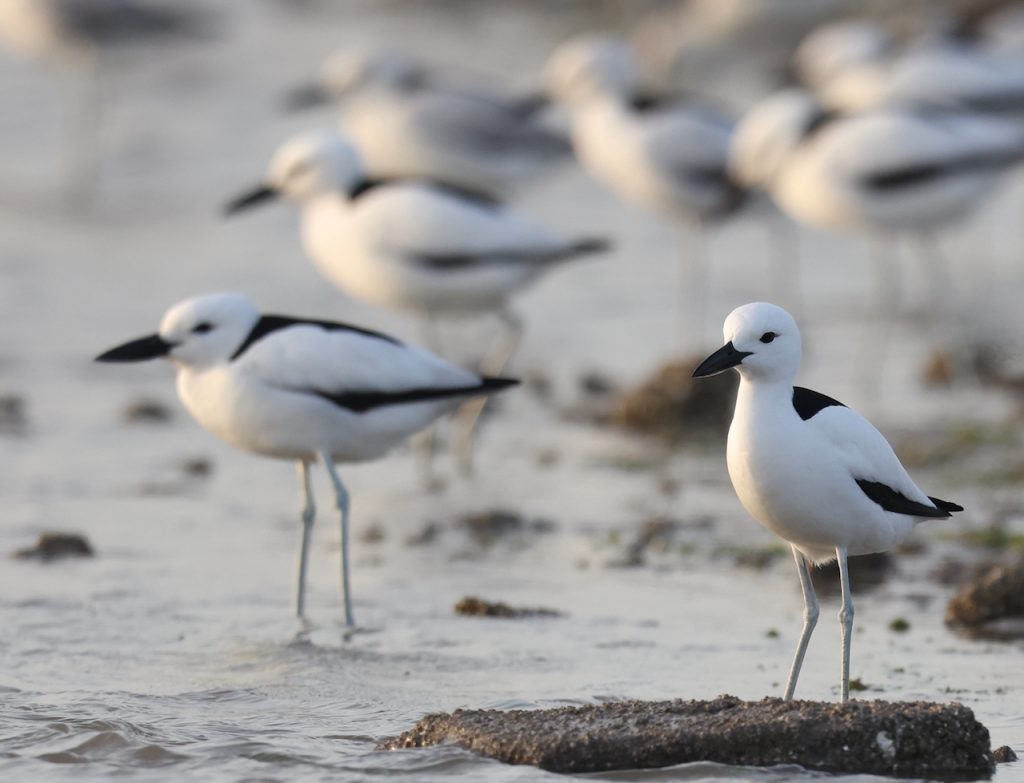
A wetland tour built around three districts of Gujarat: Mahesana for Sarus and Demoiselle Crane, both flamingos, both pelicans and Sociable Lapwing; Kutch for Chestnut-bellied Sandgrouse, the larks and wintering eagles; Jamnagar for Indian Skimmer, Crab Plover, the gulls and the flamingo flocks. Optional five-day extension to West Bengal for Baer's Pochard, Falcated Duck, Smew and Small Pratincole from chartered boats. US$7,300 (2027), single supplement US$900.
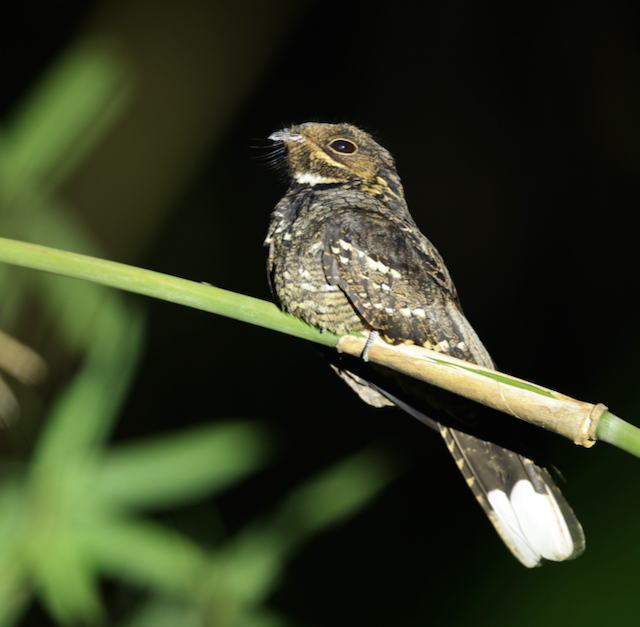
India: The Andamans – 25 February to 9 March 2027, 13 days · Easy · Lobsang
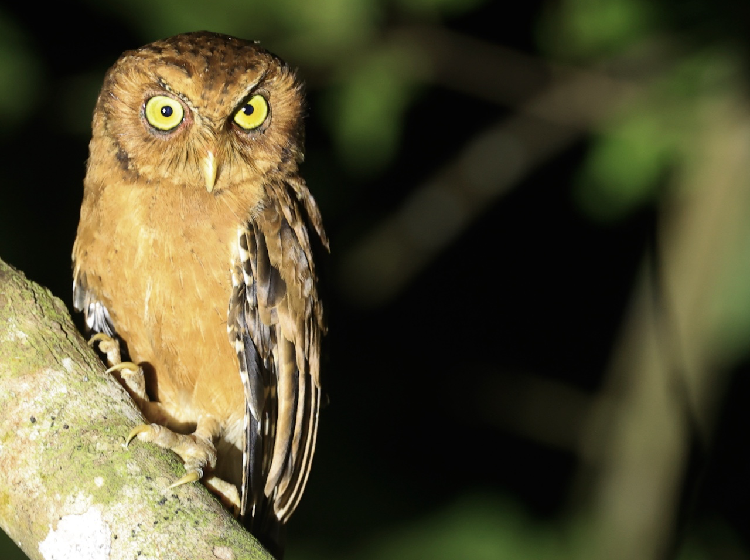
Little Andaman and South Andaman for the island's owls (Andaman Masked Owl, Andaman Boobook, Andaman Scops Owl, Hume's Boobook, Walden's Scops Owl), Andaman Nightjar, Andaman Woodpecker, Andaman Treepie, Andaman Teal and the rest of the twenty-plus endemics, plus Beach Stone-curlew, Roseate and Black-naped Tern, Brown Noddy and four kingfishers. US$7,300 (2027), single supplement US$900.
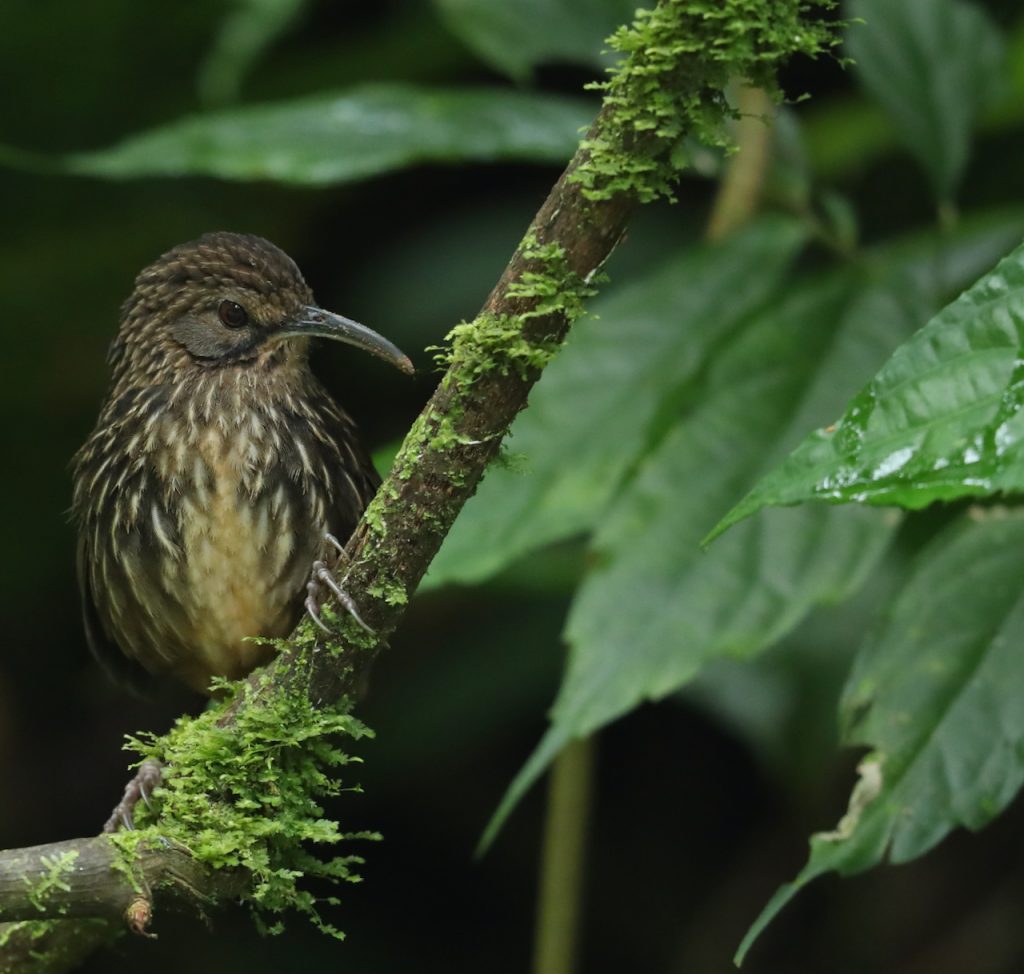
India: Arunachal Pradesh – 25 April to 7 May 2027, 13 days · Medium · Lobsang
Tawang District in the Eastern Himalaya in peak spring: Satyr Tragopan, Blood Pheasant, Himalayan Monal, Snow Partridge, Solitary Snipe, Golden-naped Finch, Fire-tailed Myzornis and the rosefinches, grosbeaks and accentors of the high forest. Optional 18-day extension to West Kameng for Temminck's and Blyth's Tragopan, Ward's Trogon, Bugun Liocichla and eight wren-babbler species. US$7,300 (2027), single supplement US$900.
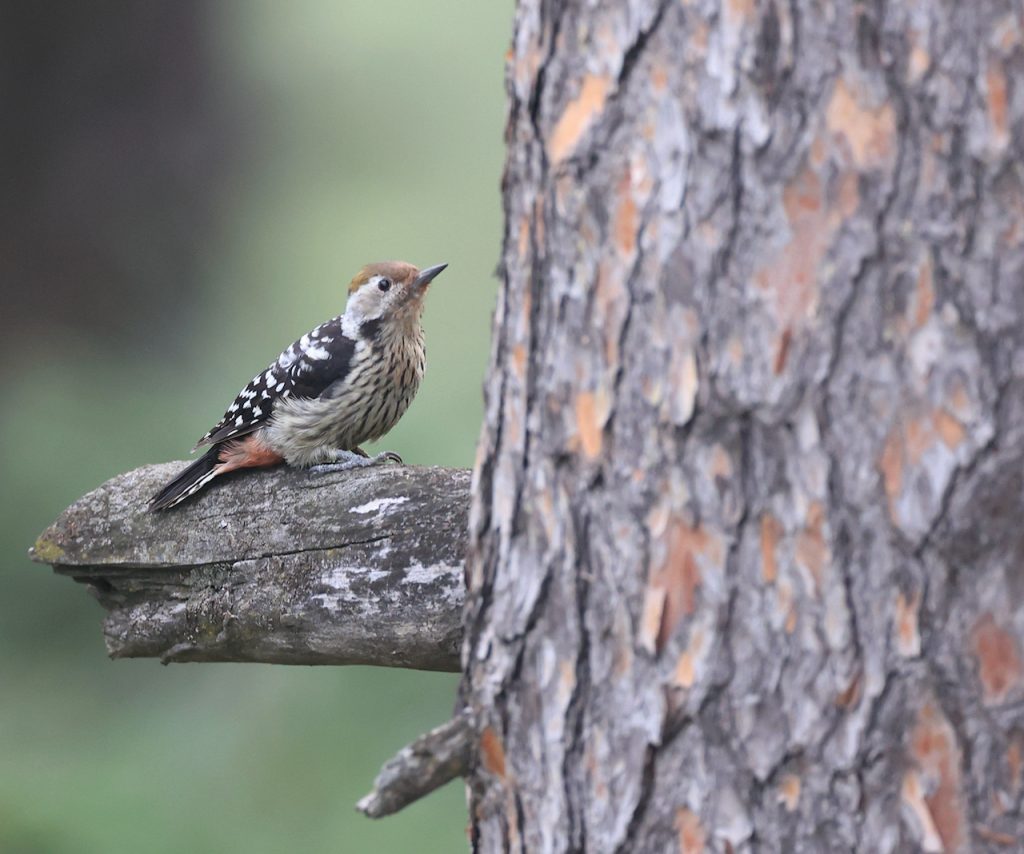
India: Kashmir – 4 to 15 August 2027, 12 days · Medium · Lobsang
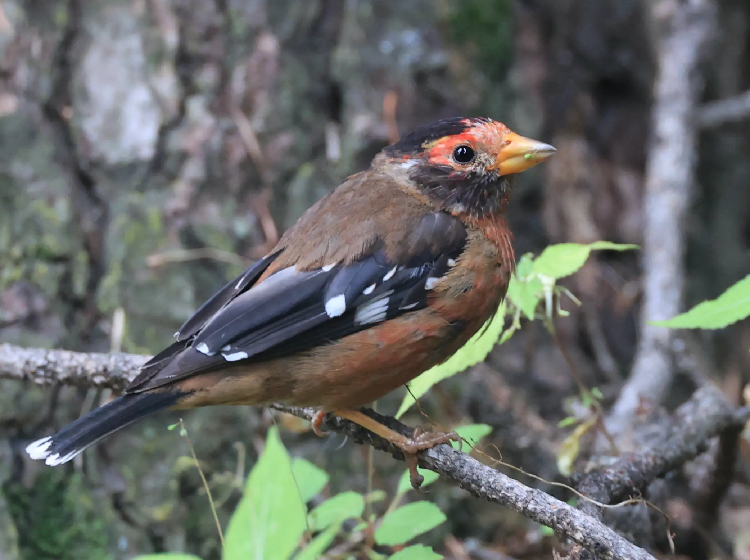
The Western Himalaya's near-endemics: Spectacled Finch, Orange Bullfinch, Kashmir and White-cheeked Nuthatch, Himalayan Rubythroat in Kishtwar; Scaly-bellied, Brown-fronted and Himalayan Woodpecker, Kashmir Nutcracker and Rufous-naped Tit in Anantnag; Little Bittern and Tawny Owl around Srinagar. US$6,700 (2027), single supplement US$800.
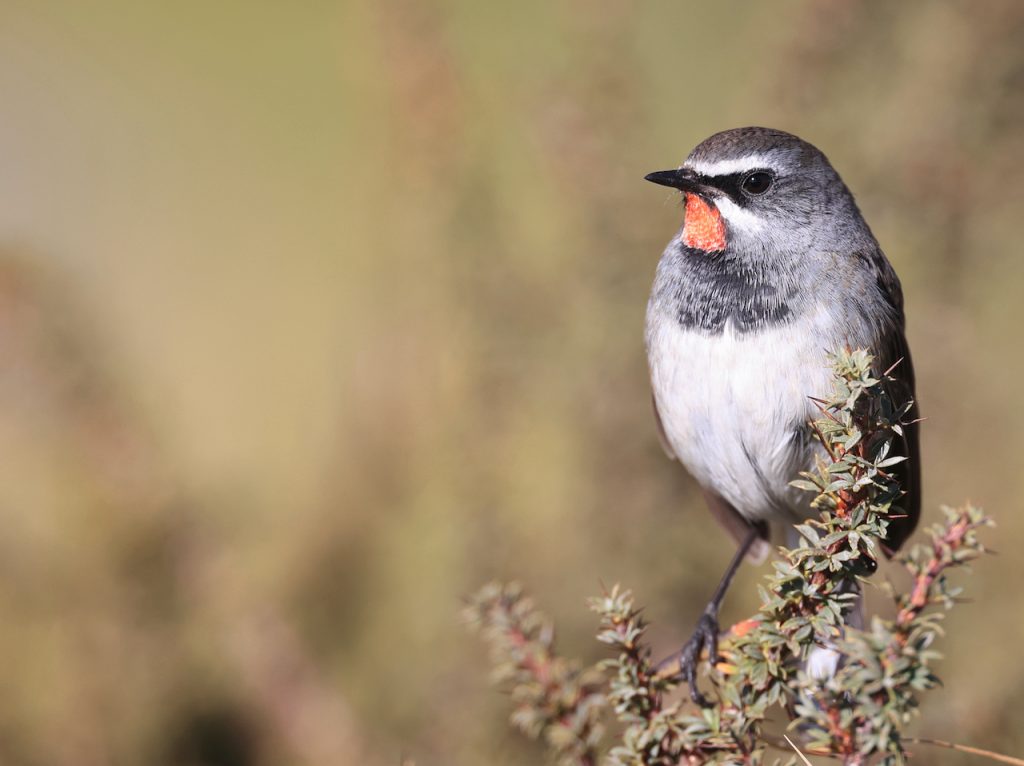
India: Ladakh – 18 August to 7 September 2027, 21 days · Medium · Nick
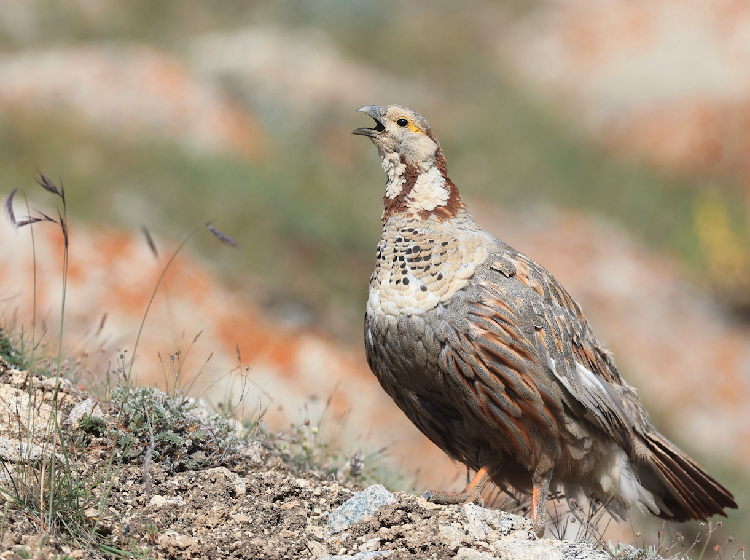
Designed around three birds that are hard to see and harder to photograph: Himalayan Snowcock and Tibetan Snowcock at Tanglang La, and Tibetan Sandgrouse at Tso Kar. Around them, Chinese Rubythroat and Tibetan Partridge at Pangong, Eurasian Eagle Owl, Black-necked Crane and Tibetan Lark at Hanle, Ibisbill and Mountain Chiffchaff at Leh, Güldenstädt's Redstart and the rosefinches and snowfinches of the plateau. Guesthouses on or next to the sites; dawn and dusk sessions with the harsh midday hours for editing. US$12,400 (2027), single supplement US$1,500, deposit US$4,000.
All five include guiding, ground transport, domestic flights, accommodation, meals, entrance and hide fees. Prices for 2028 and 2029 are on each departure page. Private departures and combinations (Arunachal plus Bhutan, Kashmir plus Ladakh) can be arranged.
There is no single answer: February for the wetlands and the Andamans, late April for Arunachal, August for Kashmir and Ladakh. Pick the region first, then the season follows.
Each departure page lists its targets district by district. The signature birds are Satyr Tragopan (Arunachal), Himalayan and Tibetan Snowcock and Tibetan Sandgrouse (Ladakh), Spectacled Finch and Orange Bullfinch (Kashmir), Indian Skimmer and Crab Plover (Gujarat), and the Andaman owls.
Four at most. Private departures are possible on all five itineraries; solo travellers on a private trip pay a single-participant surcharge.
Hides and bait stations are used in Arunachal and for some Himalayan species; Gujarat is worked from vehicles and boats; Ladakh is open-country stalking. 500-600 mm is right for the Himalaya and Ladakh; 400 mm is enough for the Andaman owls and the Gujarat boats.
Gujarat and the Andamans: easy. Arunachal and Kashmir: medium, with forest walking and long mountain drives. Ladakh: medium, with altitude above 4,000 m for most of the trip; we acclimatise in Leh for three nights first.
Guiding, ground transport, domestic flights, accommodation, meals, entrance and hide fees. Not included: international flights, visa, travel insurance, tips for local guides, personal items.
Ask about India · Gujarat · Andamans · Arunachal · Kashmir · Ladakh
 : Gujarat