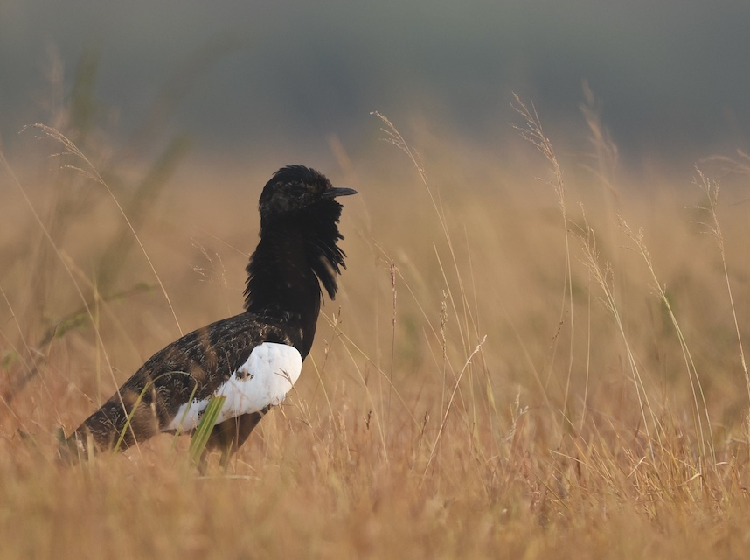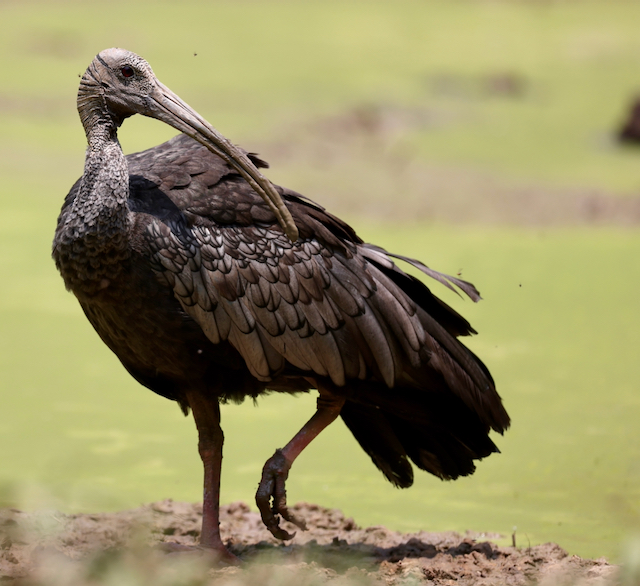
Cambodia is the one country in Southeast Asia where six critically endangered birds can still be photographed on one trip: Giant Ibis, White-shouldered Ibis, Bengal Florican, and Slender-billed, Red-headed and White-rumped Vulture. Around them, the dry forests of the north and the wetlands of the Tonle Sap floodplain hold Sarus Crane, Great Slaty Woodpecker, Spotted Wood Owl and, in the east, one of the best chances in Asia at Coral-billed Ground Cuckoo, with Bar-bellied Pitta from the same hides.
Fourteen days in April, one to four photographers, led by Roland. And the temples of Angkor are at the start and the end.
After decades of isolation the country has become one of the region's finest bird photography destinations, for a simple reason: the great dry-forest and floodplain birds that have vanished from Thailand and Vietnam survive here, in community-protected sites where local rangers know every nest and roost. Visitor numbers are low, so the birds are unpressured and the photography is unhurried.
The ibises and the vultures are photographed at established stakeouts, the florican on its display grounds in the grasslands north of the Tonle Sap, and the ground cuckoo and pitta from hides in the eastern forests. More than 600 species have been recorded in the country; this trip is built around the twenty that matter most.
December to April, the dry season: the forest pools concentrate the ibises and the ground birds, the grasslands are dry enough to reach the florican leks, and the vultures come reliably to the restaurant sites. April, when we travel, is hot but is the peak of the florican display and of the pitta and ground-cuckoo season at the hides. The rains from May to October flood the northern plains.
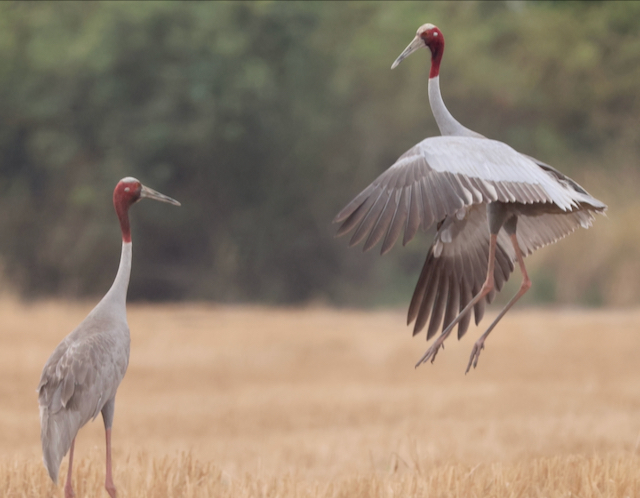
Siem Reap, then three nights in Kampong Thom for Bengal Florican and Sarus Crane on the grasslands; three nights in Preah Vihear for Giant and White-shouldered Ibis, Great Slaty Woodpecker and Spotted Wood Owl; two more nights at a second Preah Vihear site for the three vultures; three nights in Ratanakiri for Coral-billed Ground Cuckoo and Bar-bellied Pitta at the hides; and back to Siem Reap for the storks and bitterns. Eighteen photography sessions.
US$8,000 per person (2027, limited spaces), single supplement US$700, deposit US$2,000. Includes guiding, ground transport, domestic flights, accommodation, meals, entrance and hide fees. Also scheduled 4-17 April 2028 (US$8,400) and 2029 (US$8,800).
Cambodia runs on the same dates as our Bhutan and Nepal tours; it combines instead with Laos, Vietnam or the March Thailand tour as a private back-to-back trip.
December to April. Our scheduled tour runs 4-17 April.
Giant Ibis, White-shouldered Ibis, Bengal Florican and the three vultures are the reason to go and are reliable at their protected sites. Coral-billed Ground Cuckoo and Bar-bellied Pitta at the Ratanakiri hides are likely with the three nights we give them.
Four at most. Private trips are possible throughout the dry season; solo travellers on a private trip pay a single-participant surcharge.
Yes, for the ground cuckoo, the pitta and the vultures. 500-600 mm for the ibises and the florican, which are open-country birds at distance; 400 mm is enough at the forest hides.
Easy. Early starts, light walking in flat country, and long hot drives between provinces.
Guiding, ground transport, domestic flights, accommodation, meals, entrance and hide fees. Not included: international flights, visa, travel insurance, tips for local guides, personal items.