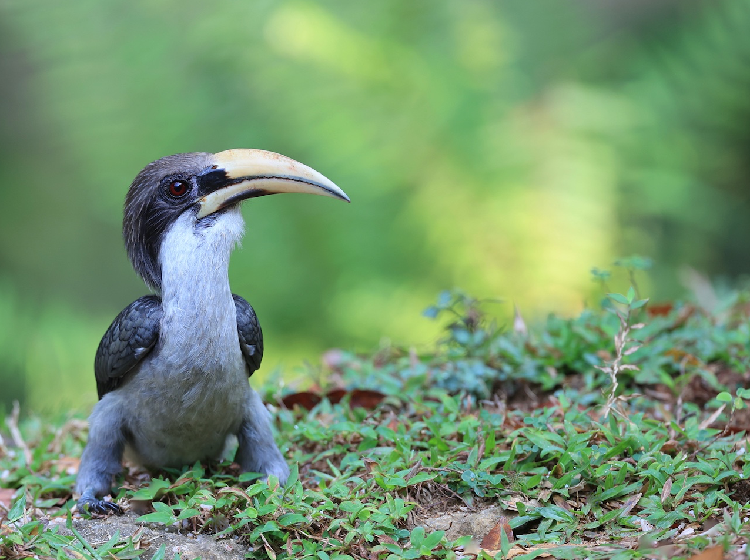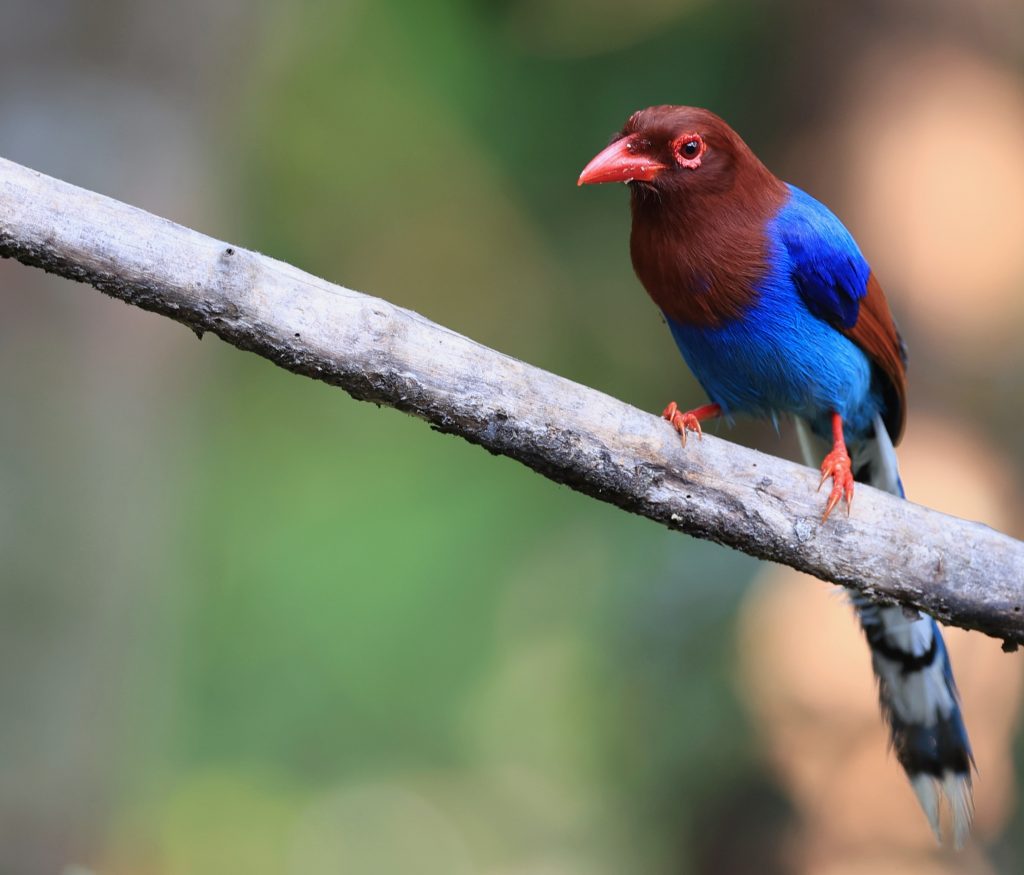
Sri Lanka is a teardrop of an island off the southern tip of India, with more than 500 bird species and, because of its isolation, more than thirty found nowhere else. Our twenty-day tour is built to photograph around twenty of those endemics well, from the secretive Sri Lanka Spurfowl and the spectacular Sri Lanka Blue Magpie to the tiny Sri Lanka White-eye and the Sri Lanka Grey Hornbill, and to fill the days in between with the island's owls, nightjars, raptors and waterbirds.
Twenty days is long for one island. It is the right length: the endemics are spread across the wet-zone rainforests, the central highlands, the dry-zone tanks and the south, and each of them rewards a few days rather than a few hours.
Endemism and ease. Sri Lanka's endemics are concentrated in a small country with good roads, comfortable lodges close to the forest, and a well-developed culture of bird guiding, so a photographer can work each site from dawn to dusk without long transfers. Several of the hardest birds, Serendib Scops Owl, Sri Lanka Frogmouth, Chestnut-backed Owlet, Red-faced Malkoha, have known stakeouts where patience is rewarded.
The nightbirds are a feature: seven owl species and three nightjars and frogmouths are on the target list, worked in the dry zone and the central hills. And the island's tanks and lagoons add the big waterbirds, Spot-billed Pelican, Painted Stork, Oriental Darter, and three bitterns, with Elephant, Leopard and Spotted Deer in the southern and eastern parks for the mammal days.
December to March is the dry season across most of the island and the peak for both resident and wintering birds; January is ideal. The southwest monsoon from May to September makes the wet-zone forests, where most endemics live, hard work.
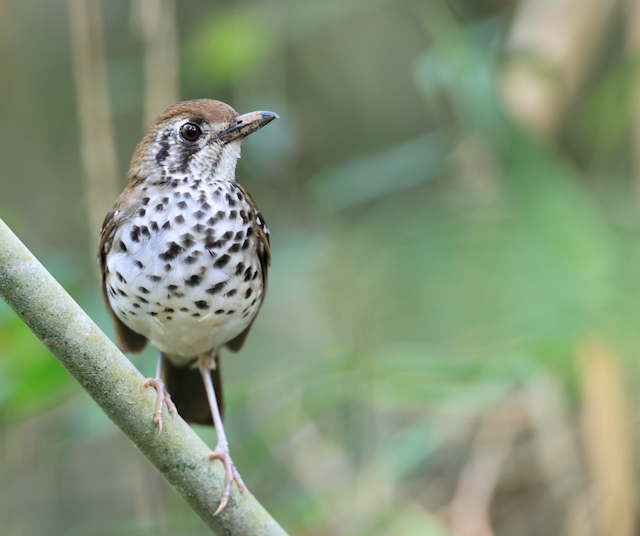
Colombo, then the dry-zone tanks of North Central Province for Brown Fish Owl, the eagles and the nightjars; the Central Province for Spot-bellied Eagle Owl, Brown Wood Owl and Sri Lanka Frogmouth, then its highlands for Yellow-eared Bulbul, Sri Lanka White-eye and Dull-blue Flycatcher; Sabaragamuwa for Sri Lanka Junglefowl, the barbets and Chestnut-backed Owlet; the southern rainforest for Sri Lanka Blue Magpie, Serendib Scops Owl, Red-faced Malkoha and Sri Lanka Spurfowl; a second Sabaragamuwa site for Sri Lanka Grey Hornbill and Brown-capped Babbler; and Uva Province for the bitterns, Spot-billed Pelican and Sri Lanka Woodshrike, with Elephant and Leopard. Thirty photography sessions.
US$10,600 per person (2027, limited spaces), single supplement US$1,600, deposit US$3,000. Includes guiding, ground transport, domestic flights, accommodation, meals, entrance and hide fees. Also scheduled 12-31 January 2028 (US$11,100) and 2029 (US$11,700).
Private departures between December and March, including shorter versions concentrating on the wet-zone endemics, can be arranged.
December to March. Our scheduled tour runs 12-31 January.
Around twenty endemics over the twenty days, with Sri Lanka Junglefowl, Sri Lanka Blue Magpie, Sri Lanka Grey Hornbill, Yellow-fronted Barbet and Orange-billed Babbler reliable, and Sri Lanka Spurfowl, Serendib Scops Owl and Red-faced Malkoha the ones that need the time we give them.
Four at most. Private trips are possible in the dry season; solo travellers on a private trip pay a single-participant surcharge.
Some sites have hides or feeding stations; much of the forest work is on trails and at stakeouts. 500-600 mm for the forest birds and owls; 400 mm is enough at the tanks.
Easy. Light walking, early starts, some night sessions, and moderate drives between provinces.
Guiding, ground transport, domestic flights, accommodation, meals, entrance and hide fees. Not included: international flights, visa, travel insurance, tips for local guides, personal items.