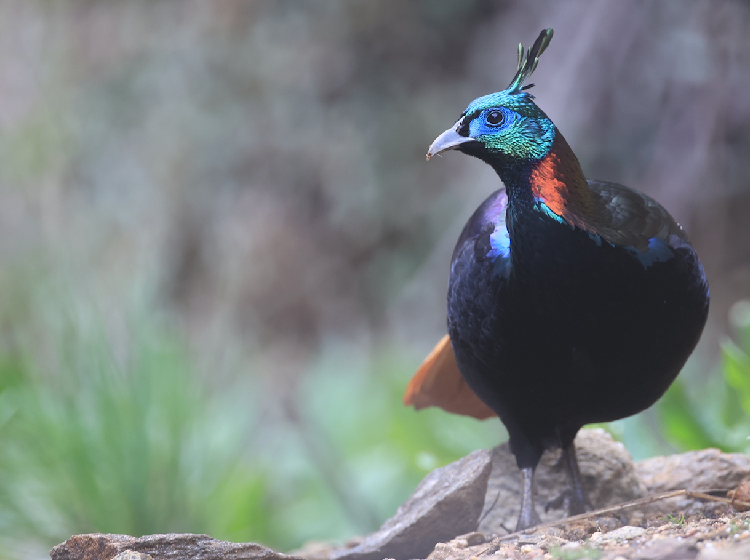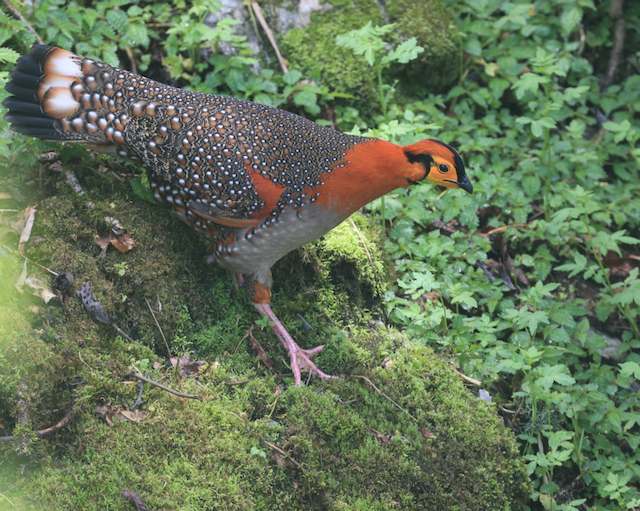
Bhutan is the best place in the Himalaya to photograph the Satyr Tragopan, and that alone justifies the trip. Around it sits the richest Himalayan avifauna on the continent, more than 700 species recorded, in a kingdom that has kept most of its land under forest, has a tiny population, and treats its wildlife as heritage. The result is bird photography in forests that are still largely untouched, with birds that are not pressured.
Our sixteen-day tour crosses the country from Paro in the west to Mongar in the east in early April, the peak of spring, for one to four photographers.
Three things. The pheasants, first: Satyr Tragopan, Himalayan Monal and Blood Pheasant are all realistic photographic targets here, not just sightings, and we give the tragopan four full days at a high-forest camp where it is at its most reliable. The eastern forests, second: Mongar's broadleaf slopes hold Ward's Trogon, Beautiful Nuthatch, Rufous-necked Hornbill, Yellow-rumped Honeyguide and a set of wren-babblers, cupwings and parrotbills that are among the hardest small birds in Asia to photograph well. And the country itself: empty roads, clean rivers with Ibisbill on the shingle, monasteries on the ridges, and no crowds at any site.
Late March to early May: the pheasants are displaying, the forest birds are singing, rhododendrons are in flower and the passes are open. Our departure is in the first half of April. The monsoon from June to September closes the eastern roads; winter is good for Ibisbill and the low valleys but the high forest is quiet.
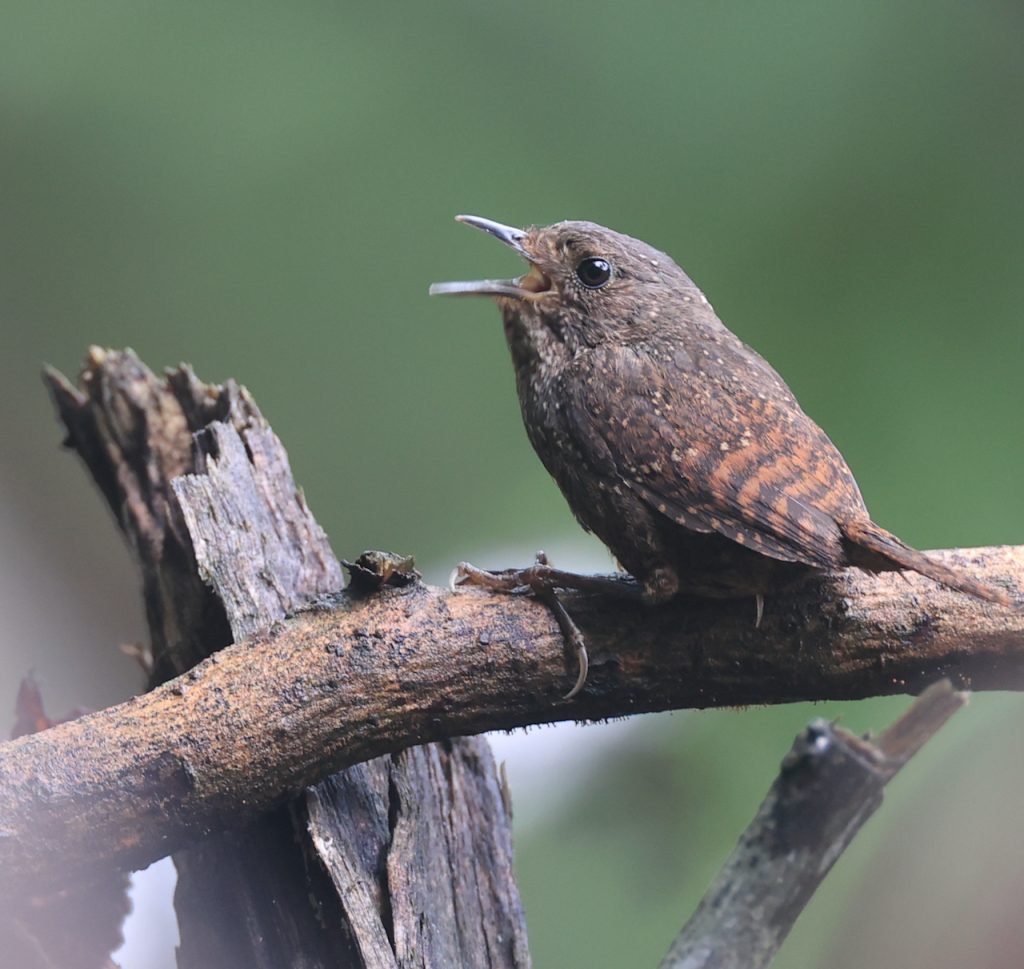
Paro for Ibisbill; four nights camping in the high forest of Wangdue Phodrang for Satyr Tragopan, Himalayan Monal, Blood Pheasant, the woodpeckers, Brown Parrotbill and the laughingthrushes; Bumthang for Himalayan Monal, Snow Pigeon and the rosefinches; five nights in Mongar District for the wren-babblers, Spotted Elachura, Ward's Trogon, Beautiful Nuthatch, Rufous-necked Hornbill, Himalayan Cutia, the honeyguide and the parrotbills; then back west through Bumthang to Paro. Twenty-two photography sessions.
US$11,000 per person (2027, limited spaces), single supplement US$800, deposit US$3,000. Includes guiding, ground transport, domestic flights, accommodation, meals, entrance and hide fees. Also scheduled 4-19 April 2028 (US$11,600) and 2029 (US$12,100).
Bhutan combines naturally with Nepal (same dates, 4-15 April) or with Arunachal Pradesh later in April; ask us about back-to-back private arrangements.
Late March to early May. Our scheduled tour runs 4-19 April.
Satyr Tragopan is the reason to go and we give it four days. Himalayan Monal, Blood Pheasant, Ibisbill, Bhutan Laughingthrush, Fire-tailed Myzornis and the parrotbills are regulars. Ward's Trogon, Beautiful Nuthatch and the wren-babblers are the prizes of the Mongar forests.
Four at most. Private departures in spring are possible; solo travellers on a private trip pay a single-participant surcharge.
The tragopan and monal sites are worked from screens and vehicles; the forest birds on trails. 500-600 mm is the right lens; bring a 100-400 for the hornbill and the scenery.
Medium. No trekking, but altitude to around 3,500 m at the camp and the passes, four nights camping, and long drives on mountain roads.
Guiding, ground transport, domestic flights, accommodation, camping, meals, entrance and hide fees, Bhutan permits. Not included: international flights, travel insurance, tips for local guides, personal items.