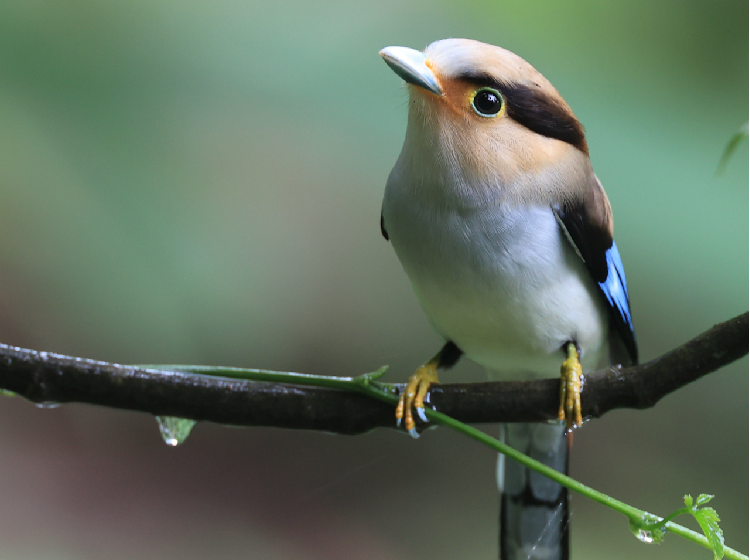
Thailand is where hide photography in Asia was perfected, and it remains the most efficient country on the continent for filling a portfolio. More than 1,100 species, a mature network of feeding stations in the central forests, the world's best-known wintering site for Spoon-billed Sandpiper, and, in the far south, the Sundaic rainforest with its nine hornbills and its kingfishers.
We run two thirteen-day tours a year, each for one to four photographers, each led by Roland, who spent two decades guiding bird and mammal tours in western China before turning to the rainforests of Southeast Asia. Central Thailand in February is the classic hide circuit. Southern Thailand in March is the hornbill and kingfisher trip.
Nowhere else in Asia will you photograph so many species so well in so few days. A single session at a good forest hide in Phetchaburi can produce Kalij Pheasant, Grey Peacock-Pheasant, Bar-backed and Ferruginous Partridge, Blue Pitta and a scimitar babbler, all at eye level with clean backgrounds. The infrastructure is comfortable, the birds are habituated, and the light in the dry season is dependable.
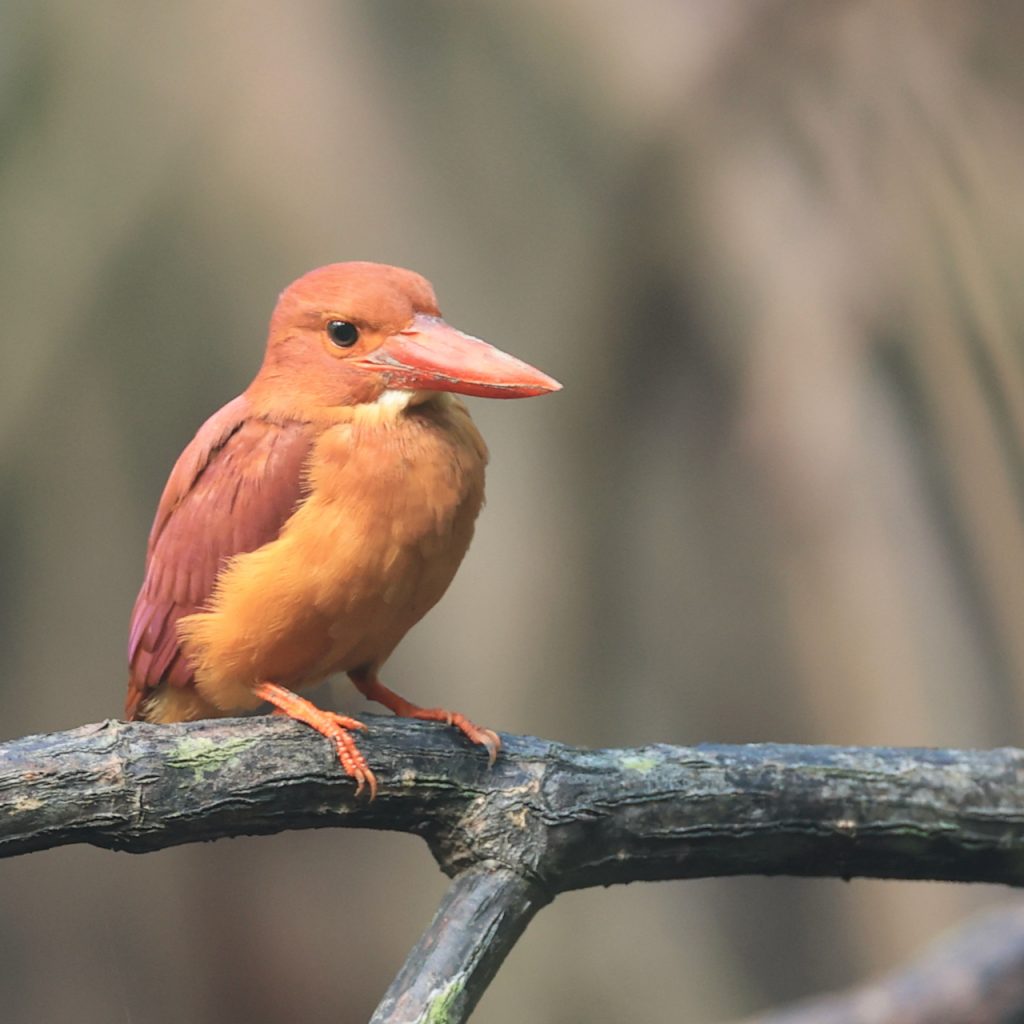
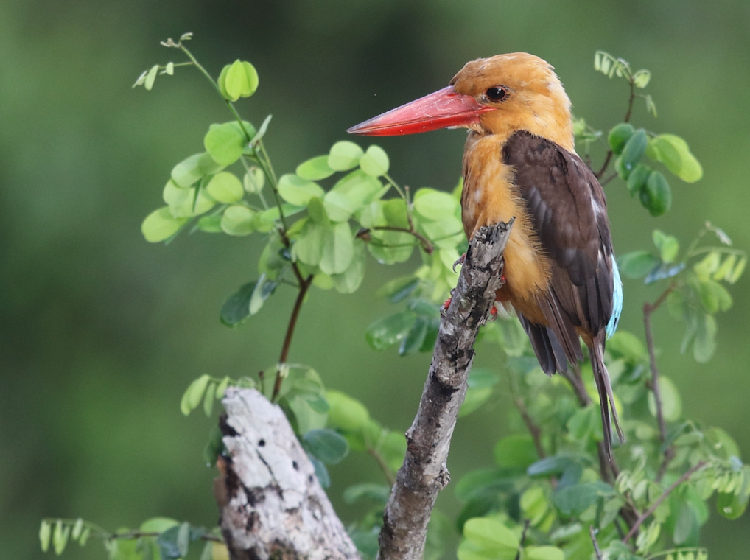
The south is a different proposition. Phang Nga's mangroves and the lowland forests of Nakhon Si Thammarat and Narathiwat hold birds that the central circuit does not: Mangrove and Malayan Banded Pitta, Brown-winged, Rufous-collared and Blue-banded Kingfisher, Green Broadbill, Scarlet-rumped Trogon, and the great hornbills of the Malay Peninsula, Rhinoceros, Helmeted, Wrinkled and Plain-pouched among them. Fewer hides, more forest, and images that are far rarer.
November to March is the season for the whole country: dry, relatively cool, and the northern migrants, including the shorebirds, are present. February is ideal for the central hides and for Spoon-billed Sandpiper on the coast. March in the south coincides with the start of breeding, when pittas call and hornbills are at nest sites. The rains from May to October close many forest roads and empty the hides.
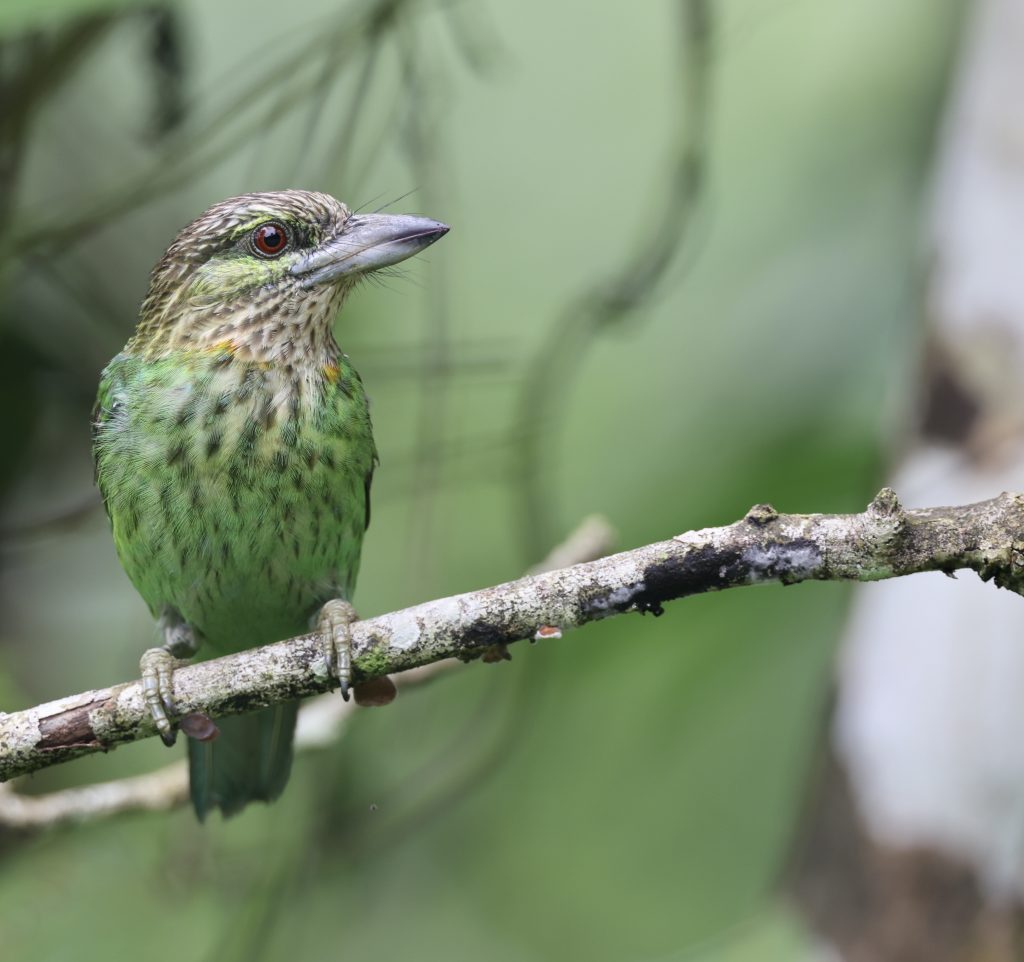
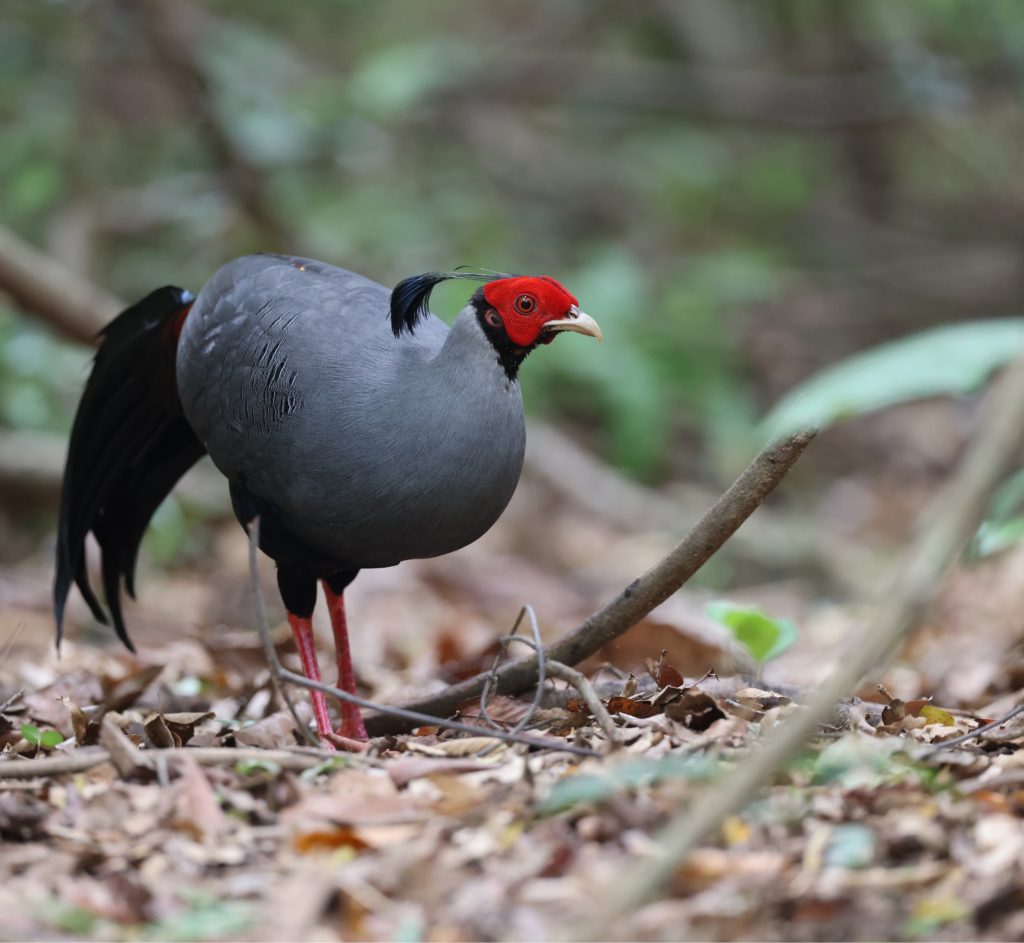
Bangkok, then the Phetchaburi coast for Spoon-billed Sandpiper, Nordmann's Greenshank and the plovers; five nights in the Phetchaburi forests for the pheasants, partridges, Blue Pitta, Blue-bearded Bee-eater, Ratchet-tailed Treepie and the hornbills; three nights in Nakhon Ratchasima for Siamese Fireback, Red-headed Trogon, Banded Broadbill and Austen's Brown Hornbill; then the wetlands of Bueng Kan and the Sarus Cranes of Buriram on the way back to Bangkok. Twenty photography sessions.
US$8,300 per person (2027), single supplement US$700, deposit US$2,000. Also scheduled 6-19 February 2028 (US$8,700) and 2029 (US$9,200).
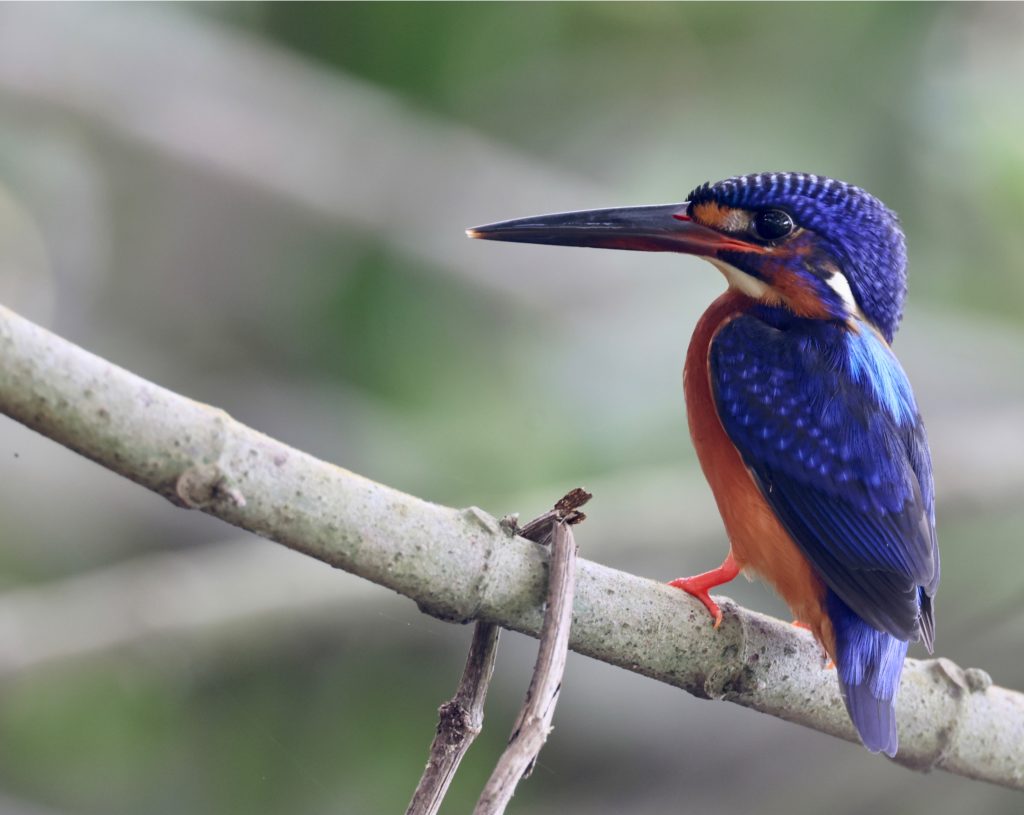
Phuket, then four nights in Phang Nga for the mangrove and forest kingfishers, Mangrove and Malayan Banded Pitta and the broadbills; three nights in Nakhon Si Thammarat for Scarlet-rumped Trogon, White-crowned Hornbill, the woodpeckers and Chestnut-naped Forktail; then a flight south and three nights in Narathiwat, on the Malaysian border, for the hornbills: Rhinoceros, Helmeted, Wrinkled, Plain-pouched, Bushy-crested and Black. Seventeen photography sessions.
US$8,300 per person (2027), single supplement US$685, deposit US$2,000. Also scheduled 18-31 March 2028 (US$8,700) and 2029 (US$9,200).
Both tours include guiding, ground transport, domestic flights, accommodation, meals, entrance and hide fees. They are timed so that they can be combined into a single trip with a break in between; ask us. Private departures are possible from November to April.
November to March. Our central tour runs 6-19 February, the southern tour 18-31 March.
On the central tour, forty or more species at close range is normal, including Kalij Pheasant, Grey Peacock-Pheasant, the partridges, Blue Pitta, the broadbills and Great Hornbill; Spoon-billed Sandpiper is reliable on the Phetchaburi coast in season. The southern tour is lower in count but delivers the Sundaic kingfishers, both pittas and up to nine hornbill species.
Four at most. Private trips are easy to arrange between November and April; solo travellers on a private trip pay a single-participant surcharge.
Yes, most of the central tour is hide-based. 400-600 mm is ideal; at many stations 300 mm is enough. Bring a shorter lens for the hornbills at fruiting trees and a teleconverter for the shorebirds.
Easy. Short walks to hides, early starts, some long drives. The south involves a little more forest walking.
Guiding, ground transport, domestic flights, accommodation, meals, entrance and hide fees. Not included: international flights, visa, travel insurance, tips for local guides, personal items.
Ask about these tours · Central Thailand: dates and prices · Southern Thailand: dates and prices
 : Central