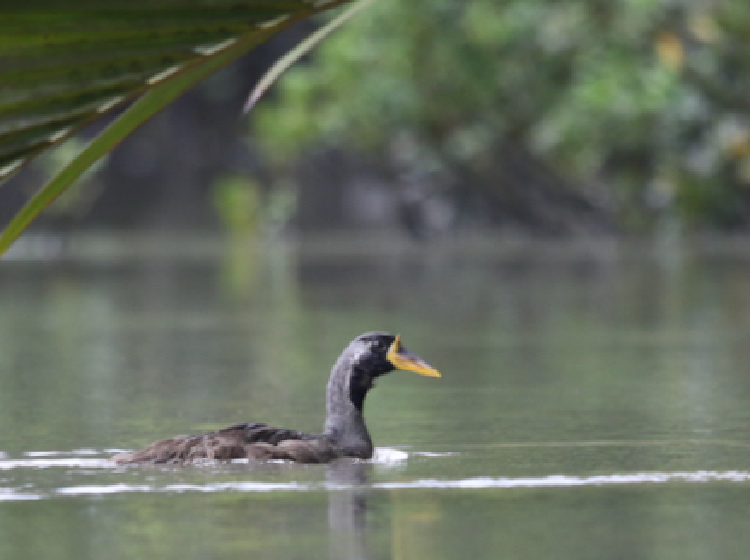
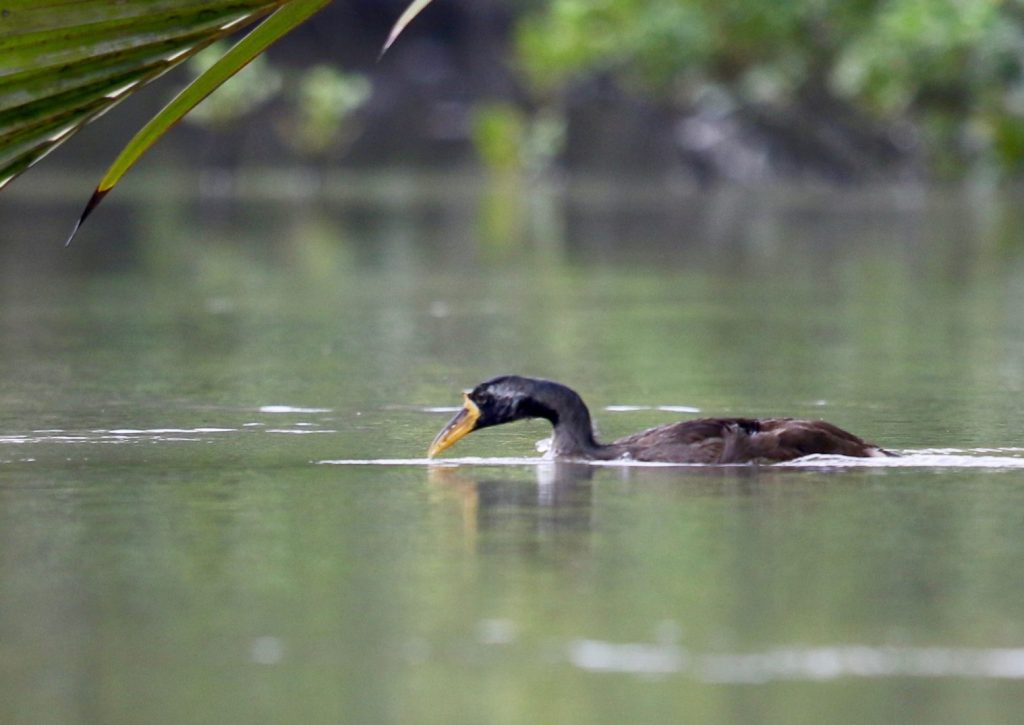
One bird, one forest, one boat. Our Bangladesh tour is a photographic quest for the Masked Finfoot, a critically endangered bird whose only remaining stronghold is the Sundarbans, the largest mangrove forest in the world, on the delta of the Ganges, Brahmaputra and Meghna. The way in is a chartered riverboat with cabins, and the way to the bird is a small boat in the narrow tidal channels at first and last light.
Eight days, six of them on the water, for one to four photographers.
Because there is nowhere else to do this. The Masked Finfoot used to be widespread from eastern India across Southeast Asia; the destruction of its riverine and mangrove habitat has removed it from almost every site where it was once seen, and the Sundarbans National Forest is the last place where a photographer can reasonably expect to find it. Every image of this bird is now a rare one.
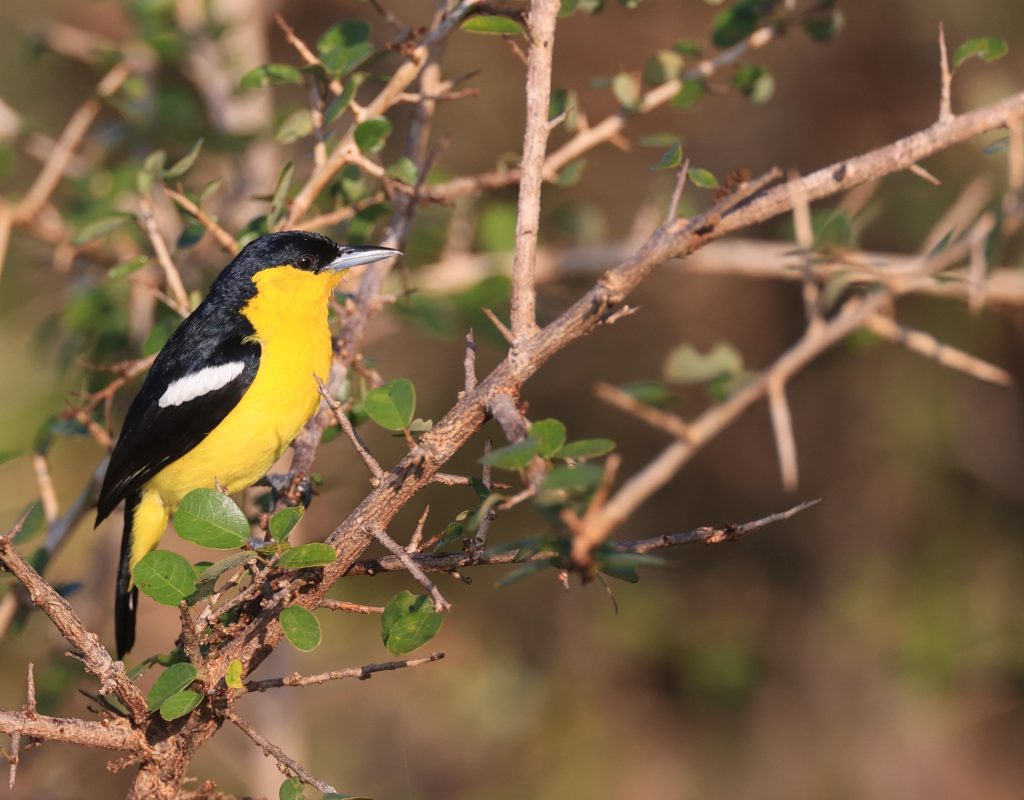
The mangroves hold much more than the finfoot. Six kingfishers, including Brown-winged and Ruddy, work the creeks; Buffy and Brown Fish Owl roost above the channels; Mangrove Pitta calls from the roots; White-bellied Sea Eagle and Grey-headed Fish Eagle sit on the snags; three woodpeckers, three sunbirds and the wintering shorebirds of the mudflats fill the rest of the day. And Bengal Tigers still roam these forests, which changes the atmosphere of every session.
November to February, the cool dry season, when the wintering shorebirds are present, the light is soft and the water is calm. January is ideal and is when we go. The pre-monsoon heat from April and the monsoon itself from June to September make the delta hard work.
Jessore, a short drive to the Sundarbans, and seven nights aboard a chartered riverboat: six full days patrolling the tidal channels by small boat for Masked Finfoot, the kingfishers, the fish owls, Mangrove Pitta, the eagles and the woodpeckers, with the mudflats for the shorebirds. Return to Jessore for departure. Seventeen photography sessions.
US$5,400 per person (2027, two spaces left), single supplement US$300, deposit US$2,000. Includes guiding, ground transport, accommodation on the boat, meals, entrance and hide fees. Also scheduled 17-24 January 2028 (US$5,700) and 2029 (US$6,000).
Eight days fits neatly before or after our Sri Lanka tour (12-31 January) or a private India trip; ask us.
November to February. Our scheduled tour runs 17-24 January.
Masked Finfoot is the reason to go, and six days on the water is what it takes. Brown-winged Kingfisher, Buffy Fish Owl, White-bellied Sea Eagle and the mangrove woodpeckers are reliable; Mangrove Pitta and Ruddy Kingfisher are likely.
Four at most. Private charters are possible throughout the dry season; solo travellers on a private trip pay a single-participant surcharge.
The small boat is the hide. 500-600 mm with a beanbag on the gunwale is the standard setup; a 100-400 is useful for the eagles and the scenery.
Easy. Life on a boat, with early starts and long, quiet sessions.
The Sundarbans trip is self-contained: airport, vehicle, boat, forest, with permits and forest guards arranged in advance. It is one of the calmest trips we run.
Guiding, ground transport, riverboat accommodation, meals, entrance and hide fees. Not included: international flights, visa, travel insurance, tips for the boat crew and local guide, personal items.